Geophysical Survey at Drumelzier
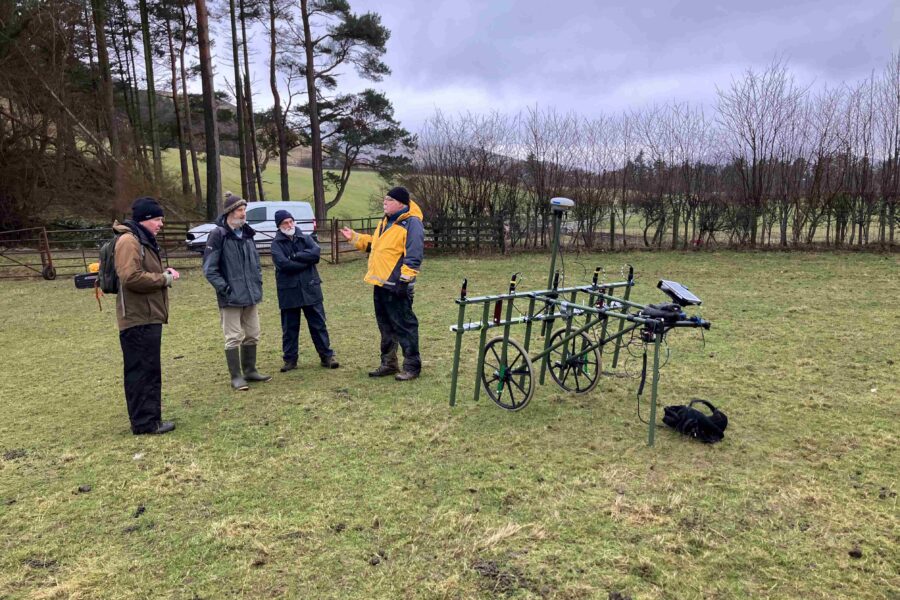
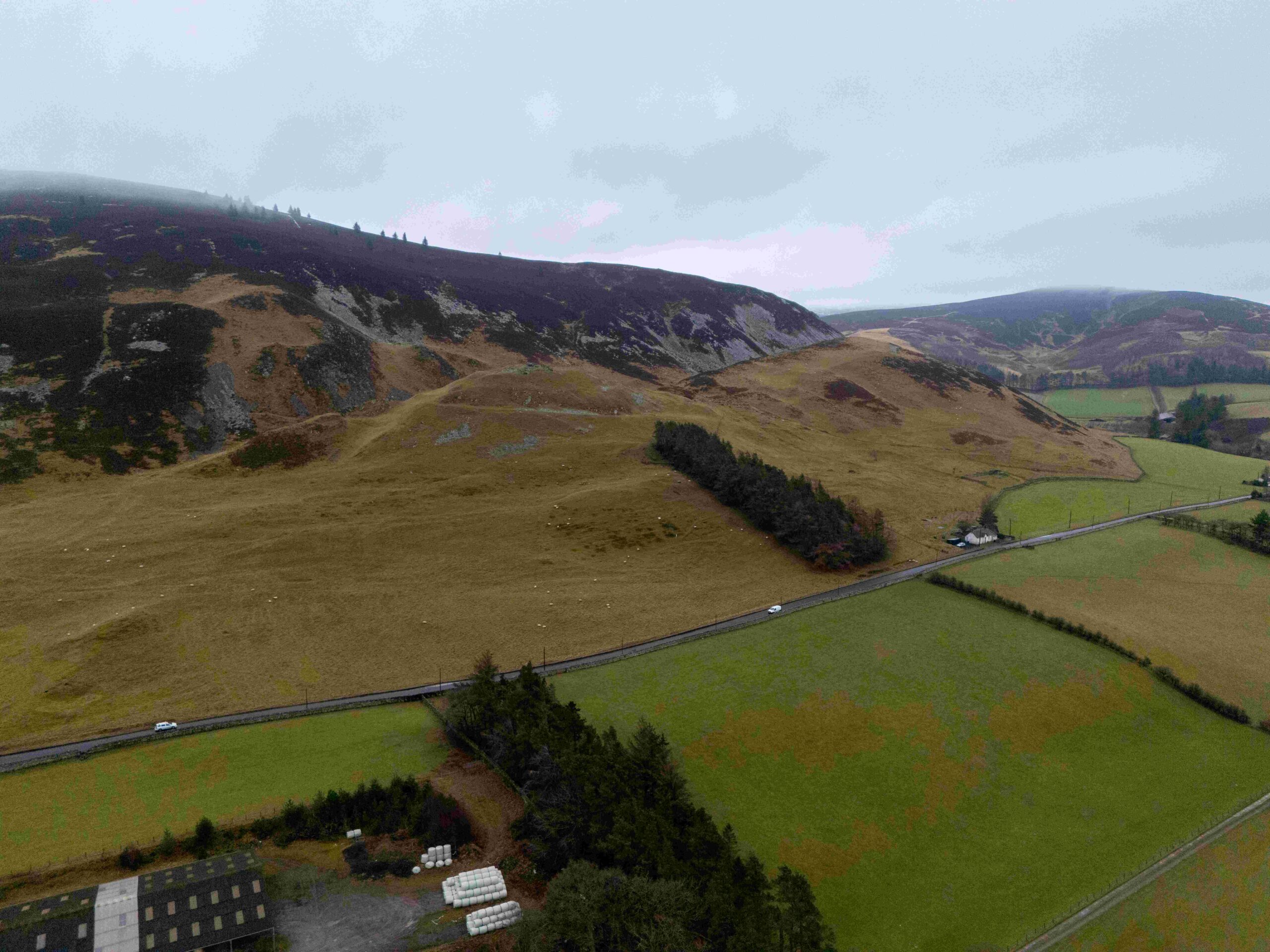
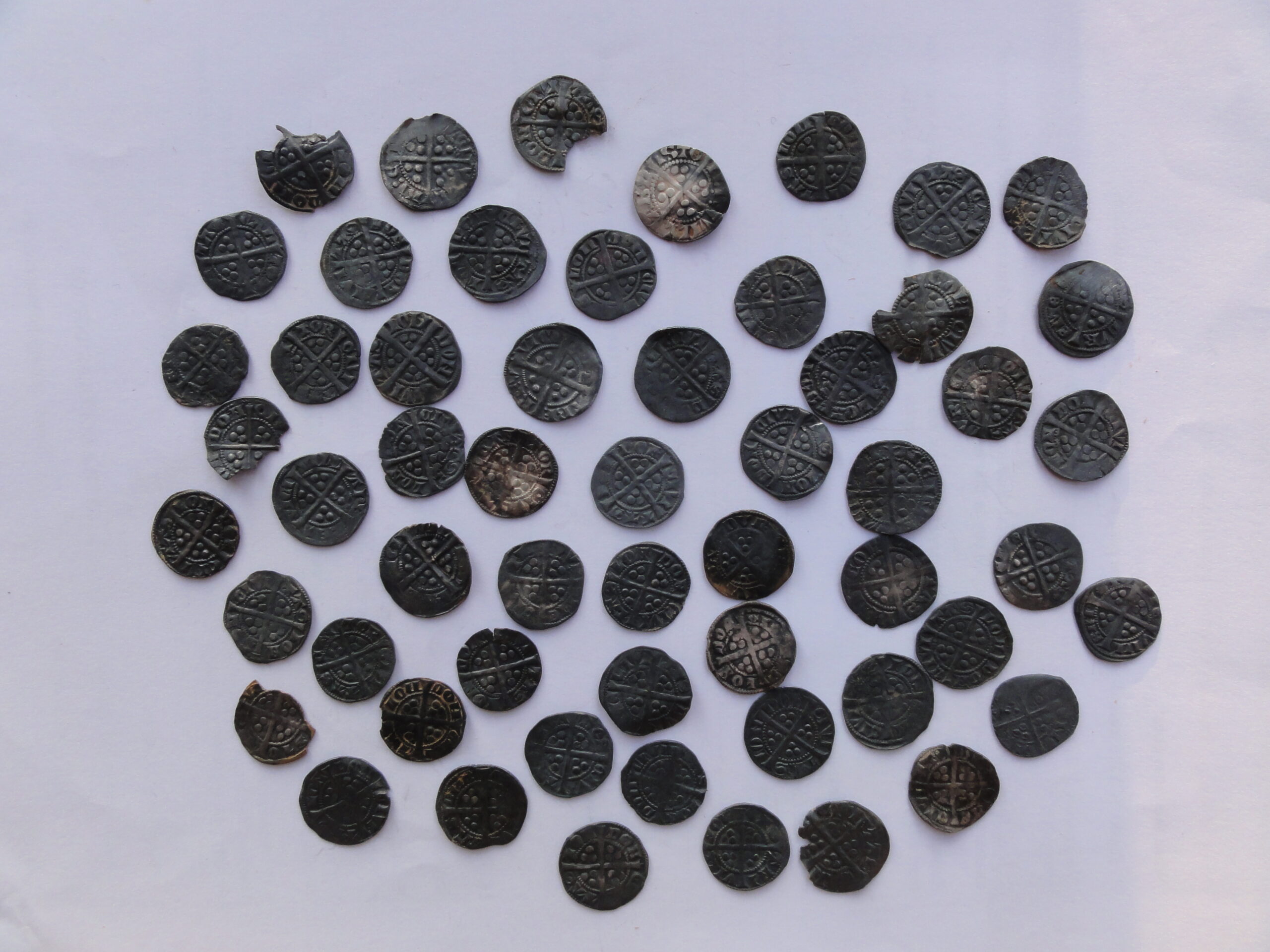
In 2014 local metal detectorist David Bartholomew (along with colleagues) found 59 Edward I silver pennies near Drumelzier by the Tweed. The coins were minted in the late 13th to early 14th century and likely deposited around that time or shortly afterwards. The wider landscape here is rich in archaeological activity with sites from prehistory as well as the medieval site of Tinnis Castle built into an early medieval hillfort.
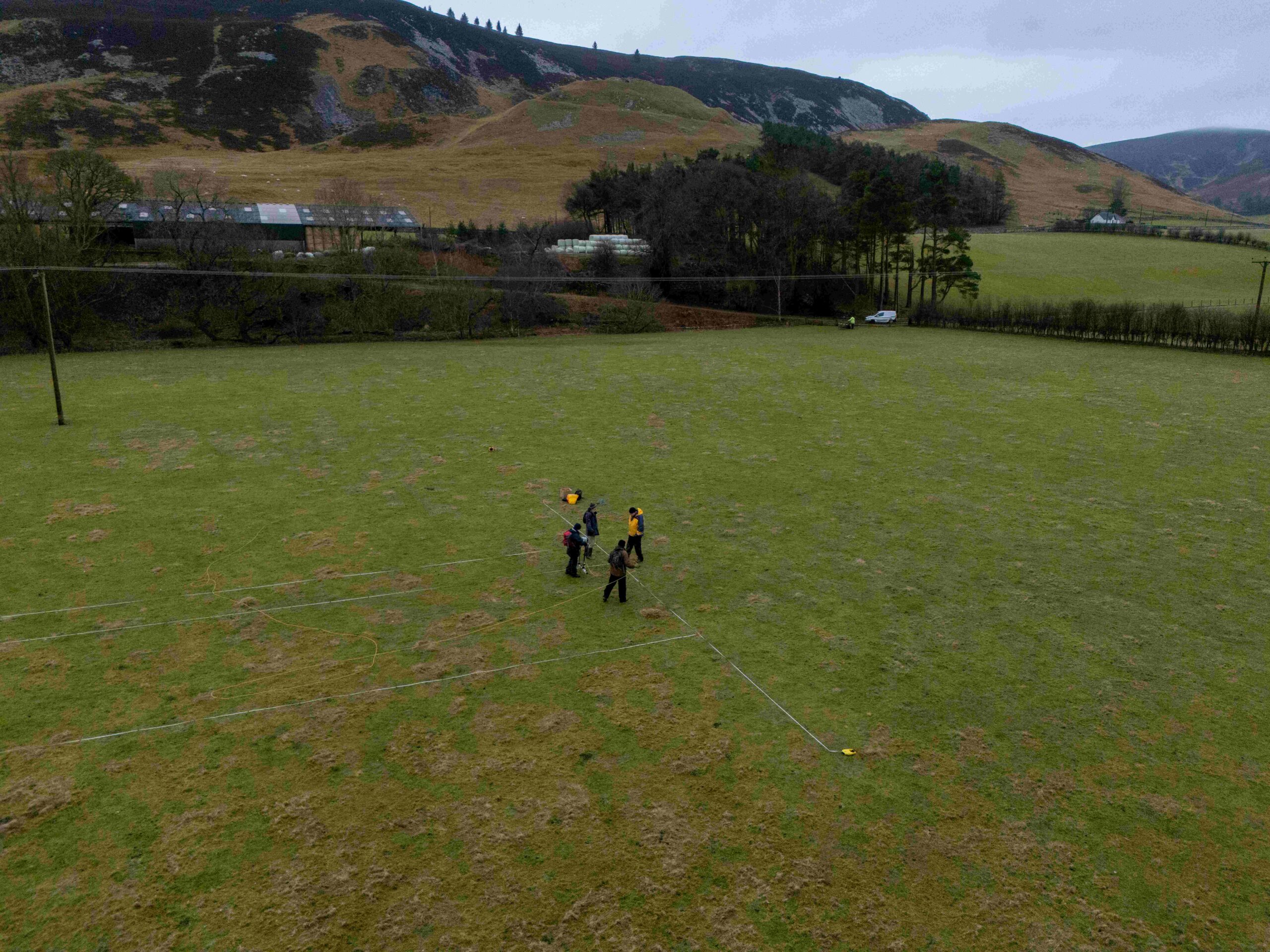
The coin hoard was reported through the appropriate channels and has been through the Treasure Trove process, meaning that it can be fully analysed and interpreted, and reported on in due course. While that is still in progress, Uncovering the Tweed recently worked with local participants to undertake geophysical survey in the environs of the coin findspot to better understand the context of the find. Do the coins represent a lost purse spread around by later ploughing or a more deliberate hidden deposit?
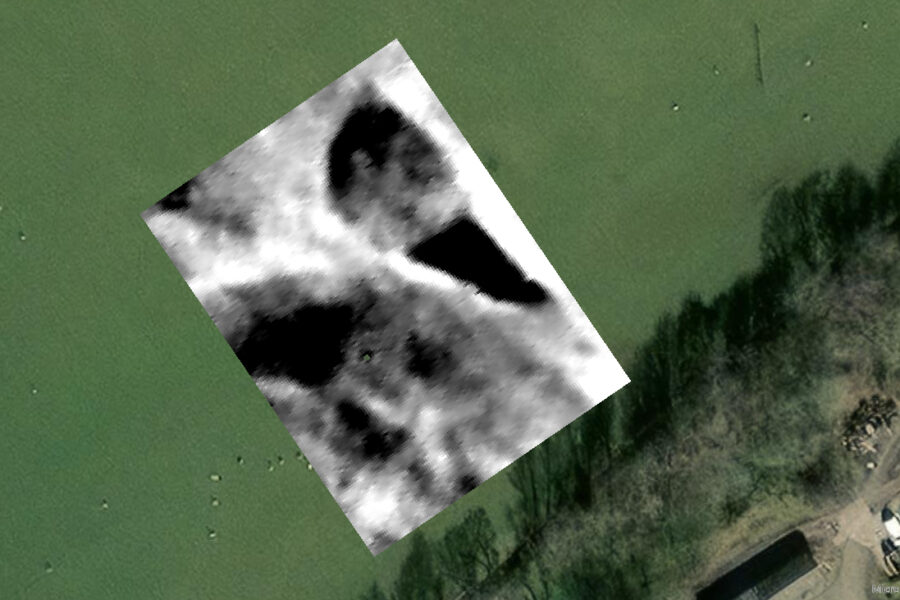
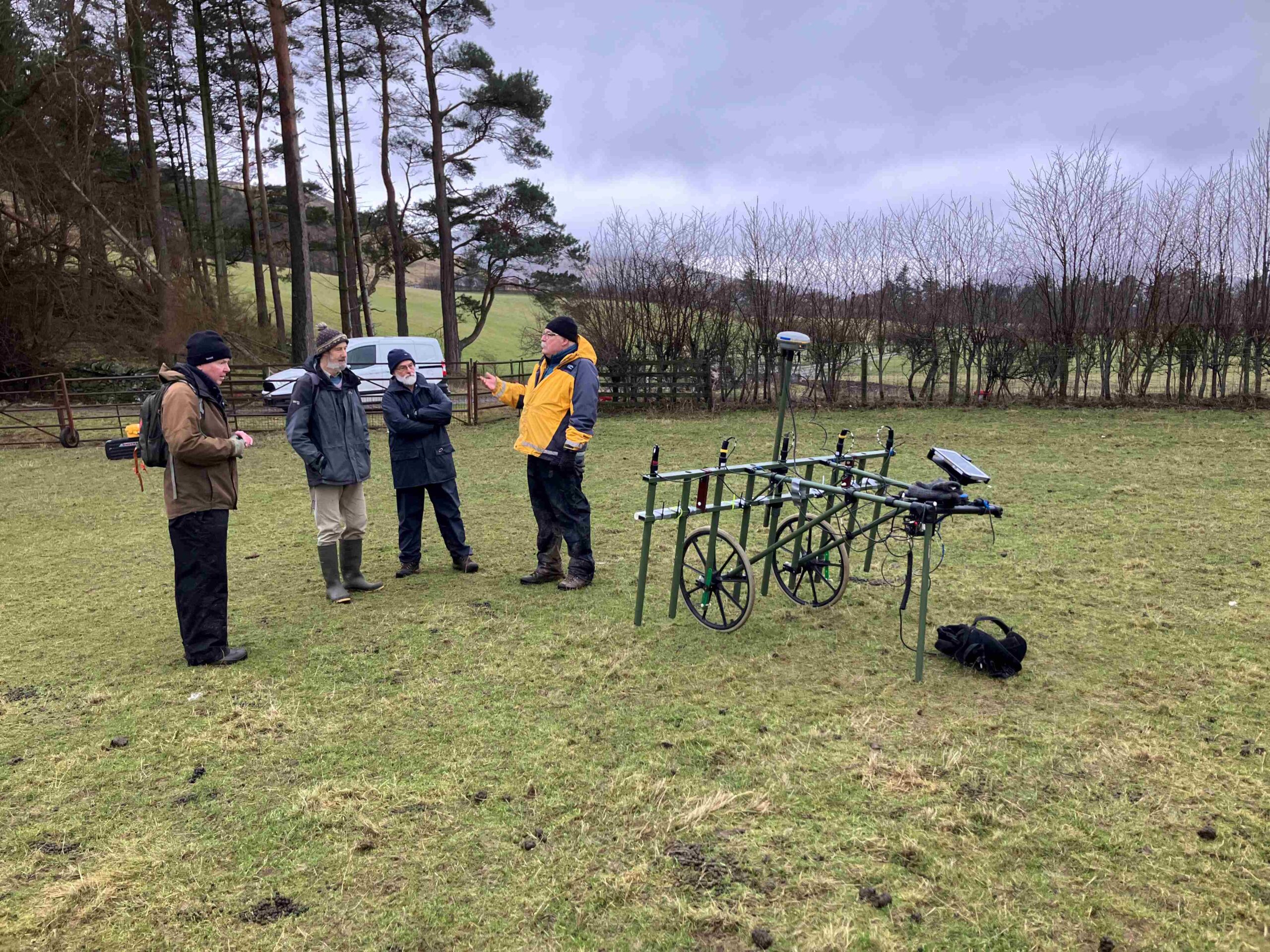
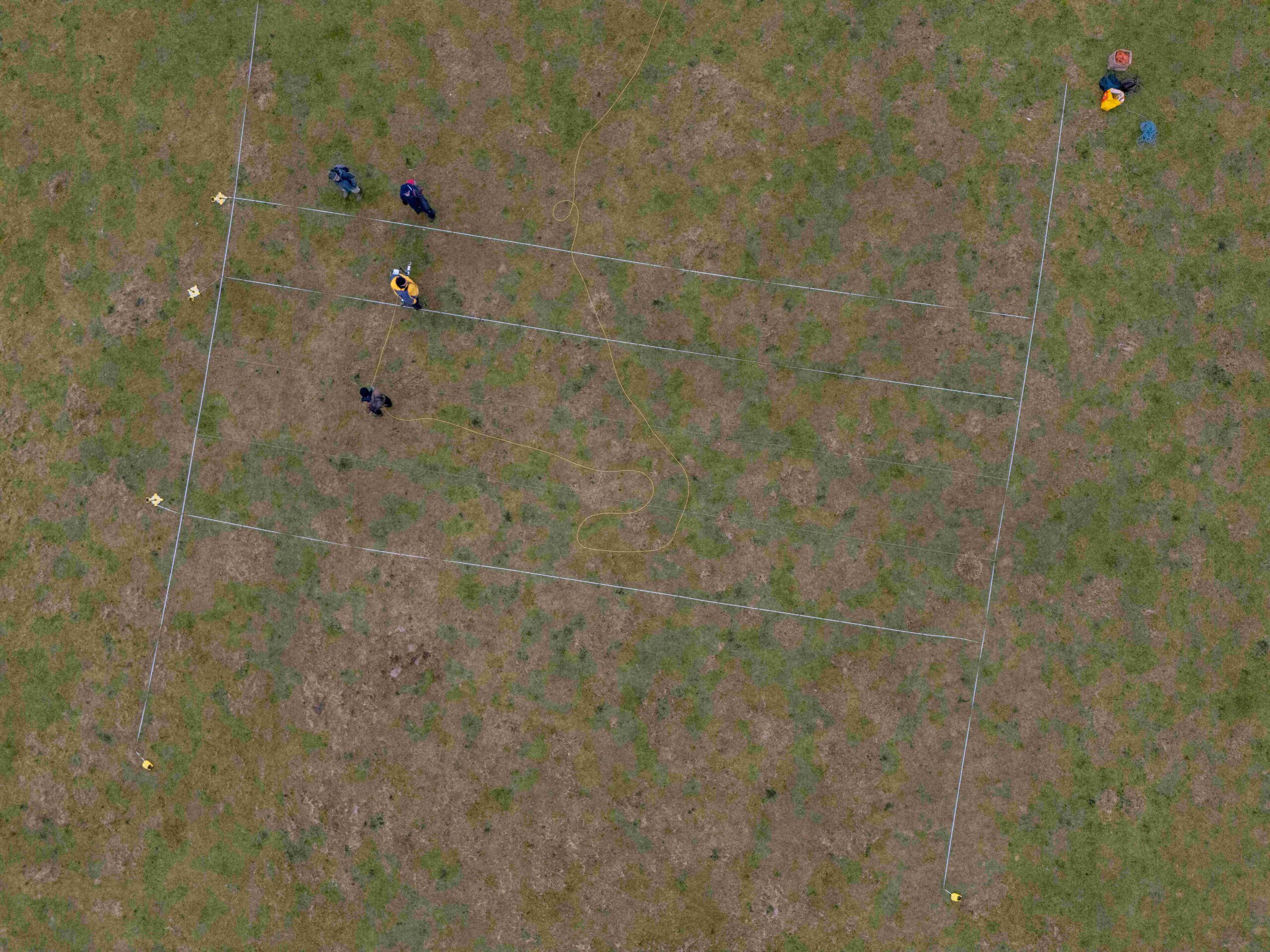
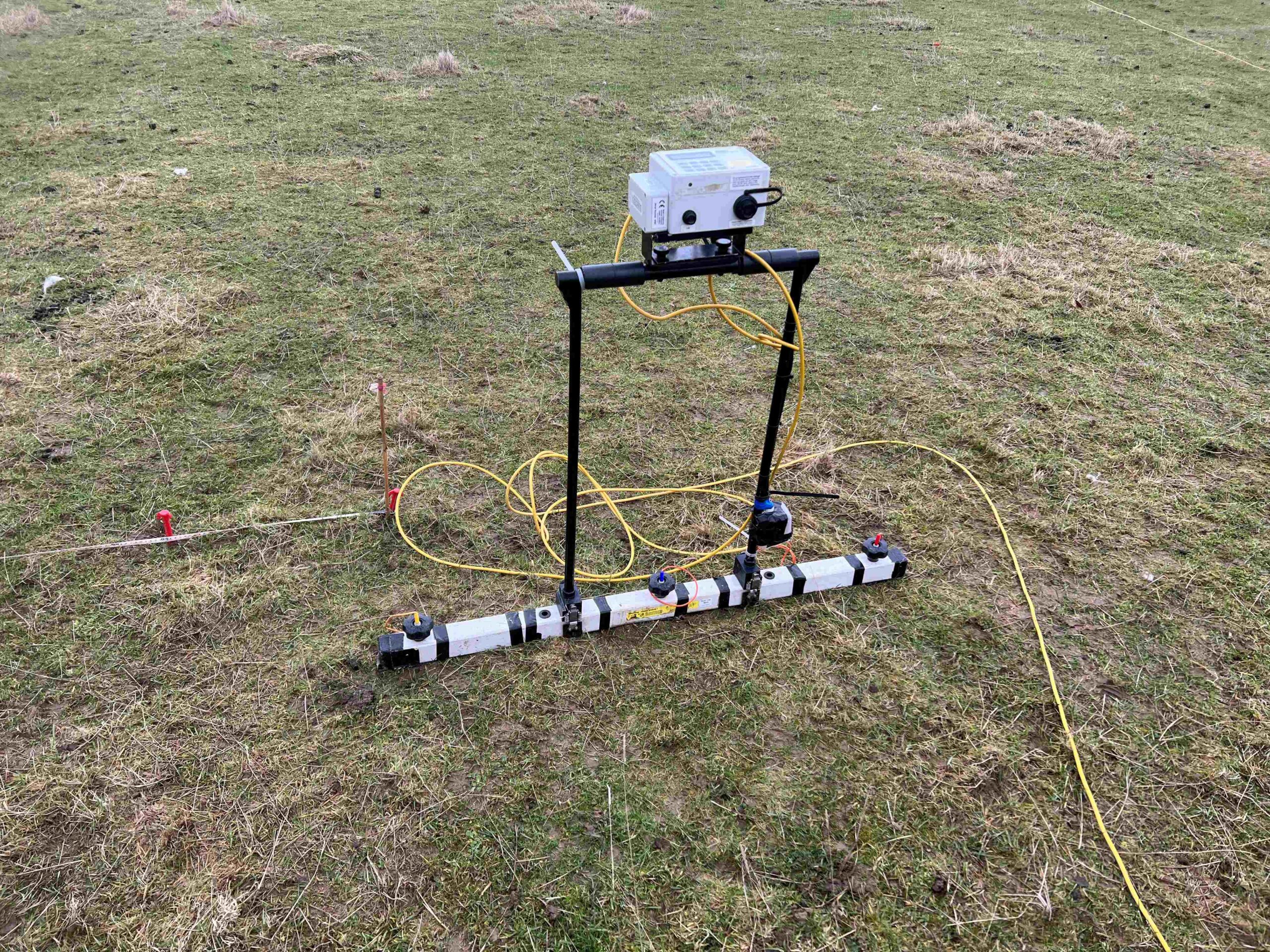
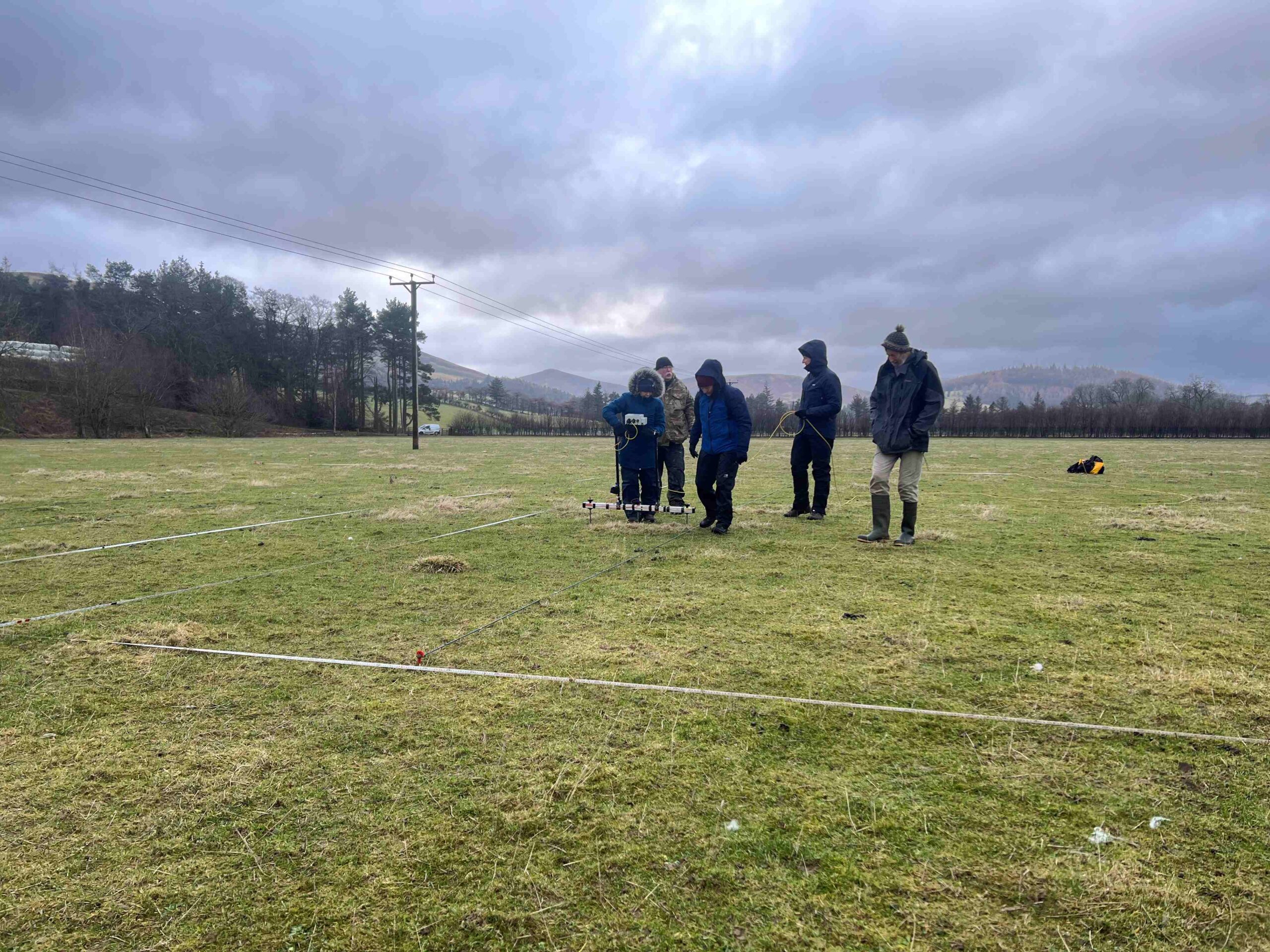
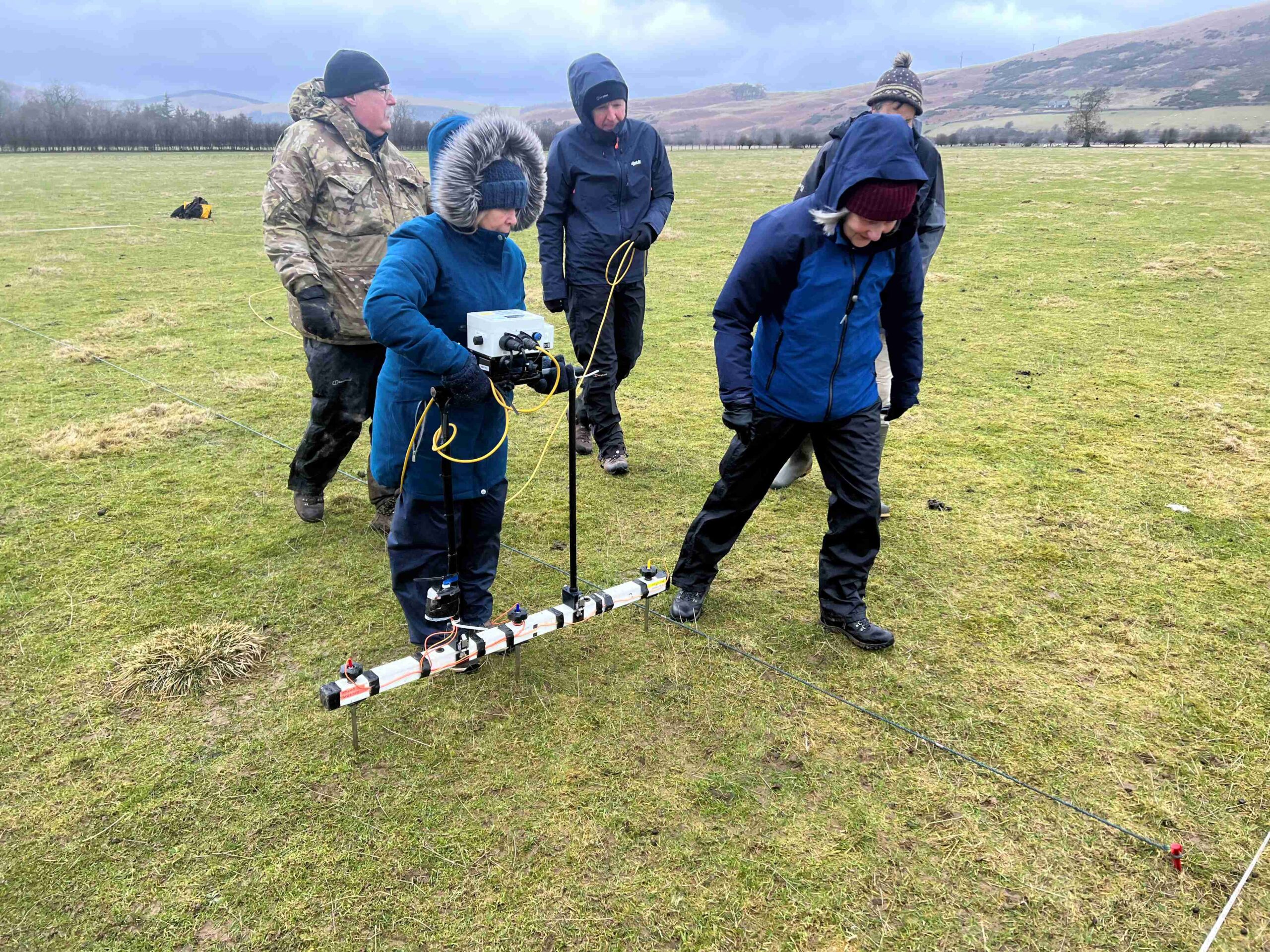
Resistivity survey is a technique that measures electrical resistance below the ground and is good at picking up sub-surface anomalies such as buried ditches (low resistance) and walls (high resistance).
Survey undertaken by participants over two days unfortunately did not pick up any anomalies that could represent buried archaeological structures, only geological variation including identification of a paleochannel probably relating to a watercourse nearby re-routed during more recent agricultural improvements. A negative result like this is still useful information, perhaps it indicates that the coins are not deposited within any formal structure, rather deposited in open pasture land, near a stream, sometime in the medieval period.
Many thanks to the landowner for facilitating access to the site to allow us to undertake this survey.