Caribbean Connections at Paxton House
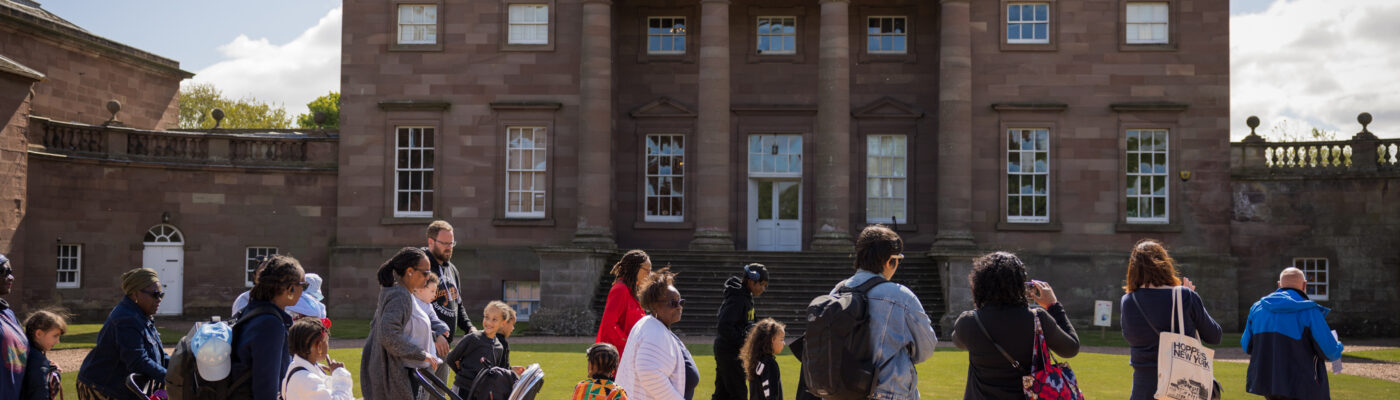

Paxton House’s history is inextricably linked with the transatlantic slave trade. Since 2007, the Paxton Trust has worked to openly acknowledge this history, embark on the process of decolonisation, and to start to address historical injustices. In 2025, they continued this work with a project developed and delivered in partnership with long-term community partner Descendants Children’s Charity (England) and new partners, Edinburgh Caribbean Association (Scotland) and the Caribbean Institute for EcoLiberation CIEL with Bonair Government School (Grenada).
This project was funded by: Museums Galleries Scotland; Destination Tweed; a private Charitable Trust; The Hugh Fraser Foundation; The Henfrey Charitable Trust; Simpson’s Malt; and anonymous donations.
Paxton’s Transatlantic Connections
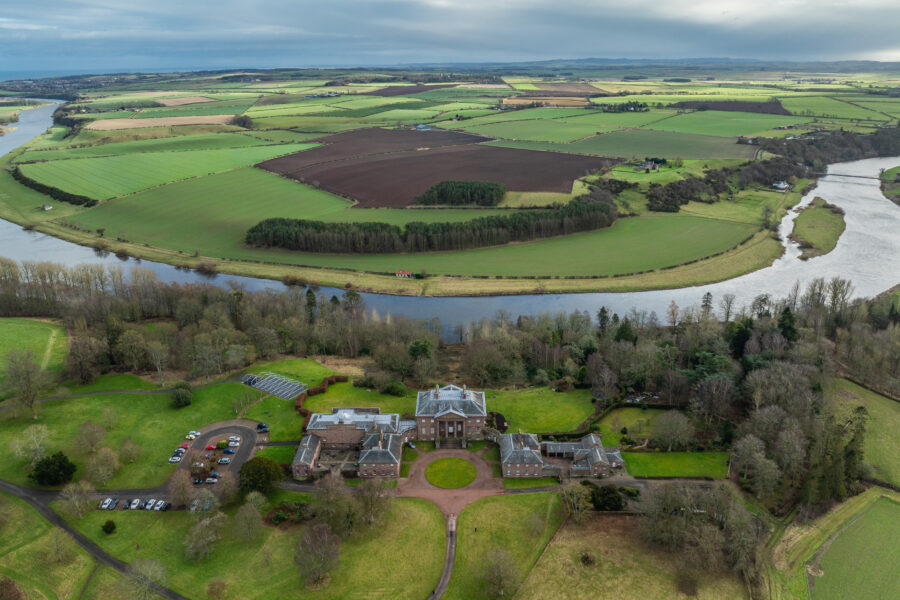
Ninian Home (1732-1795) was a nephew of Patrick Home, who built Paxton House. In 1764, Ninian bought land totalling 554 acres that he named Waltham on the north-west coast of Grenada and also bought a third share of Paraclete plantation (100 acres), near the east coast of Grenada in St Andrews Parish, with his uncle, Patrick Home, and others. Ninian and his wife Penelope’s share of Paraclete was sold in 1776. By 1794, at the peak of production, Ninian and Penelope ‘owned’ 267 enslaved people at Waltham and a further 75 on a cotton plantation in Mustique. They also personally ‘owned’ at least a further 7 enslaved domestic servants who were not classed as part of their Caribbean estates; a total of at least 349.
Ninian purchased Paxton House from Patrick Home in 1773. The house was built with Scottish based finance, but interior decoration and furnishings (from 1774-91) were financed through the owner’s transatlantic slave trade links.
To find out more about Paxton House’s links to slavery, you can visit the website (link below), or take in the free ‘Caribbean Connections’ exhibition at the House.
Caribbean Connections Creative Partnership
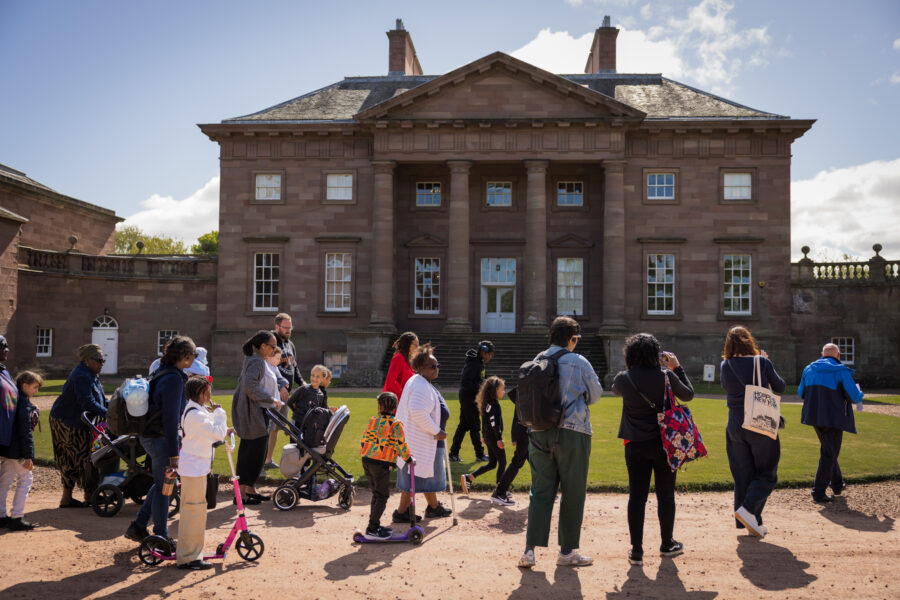
The Caribbean Connections Creative Partnership at Paxton House – Bridging Borders project was designed to build on previous work, strengthening connections with Descendants and other Caribbean community groups. This was a complex project involving multiple partners, artists, communities and academics, and working across two continents.
The project used a participatory co-production model, where community organisations were actively involved in design, delivery, and implementation. Communities/participants had agency to create their own responses to the difficult and painful histories surfaced through the project, supported by practitioners of Caribbean descent.
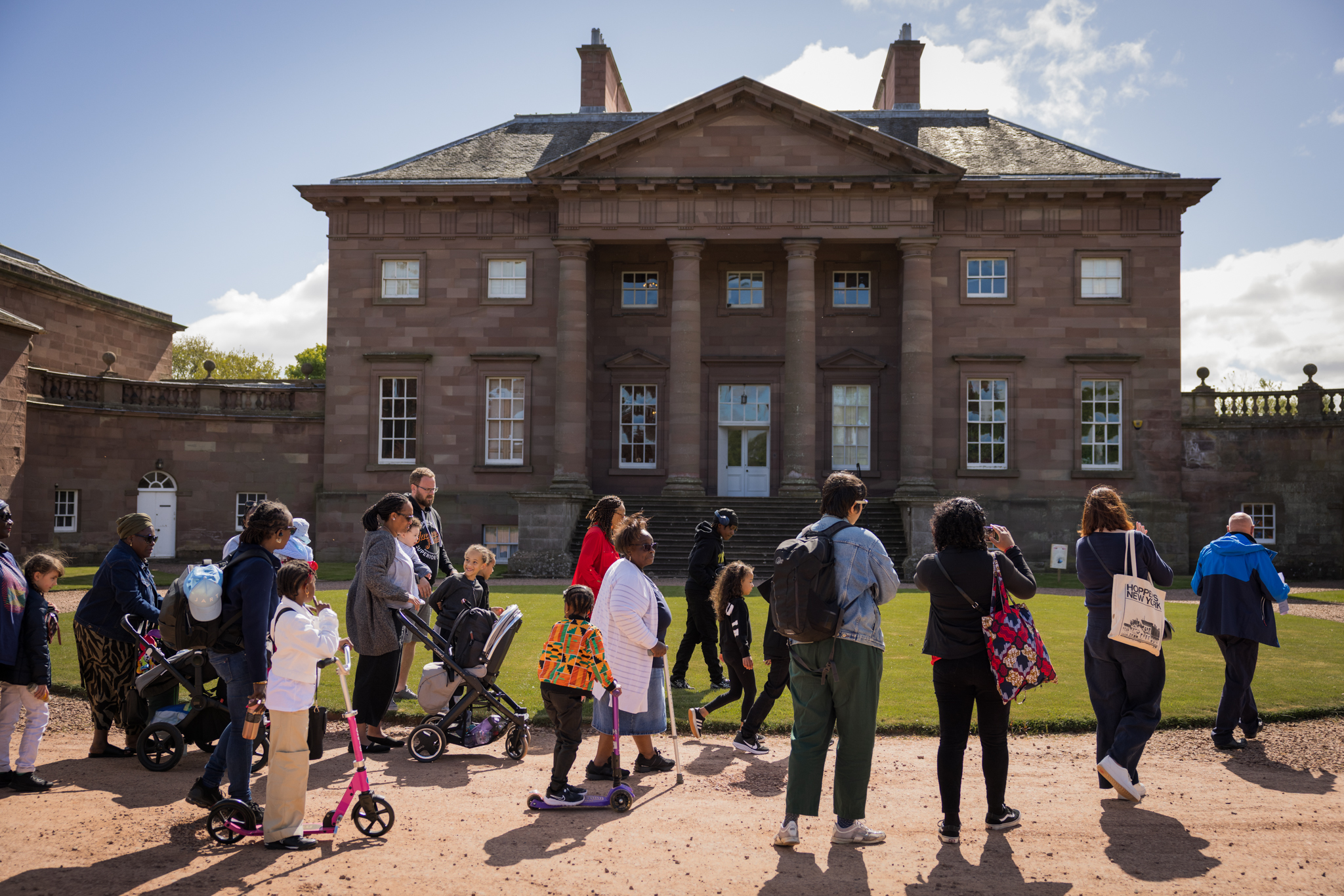
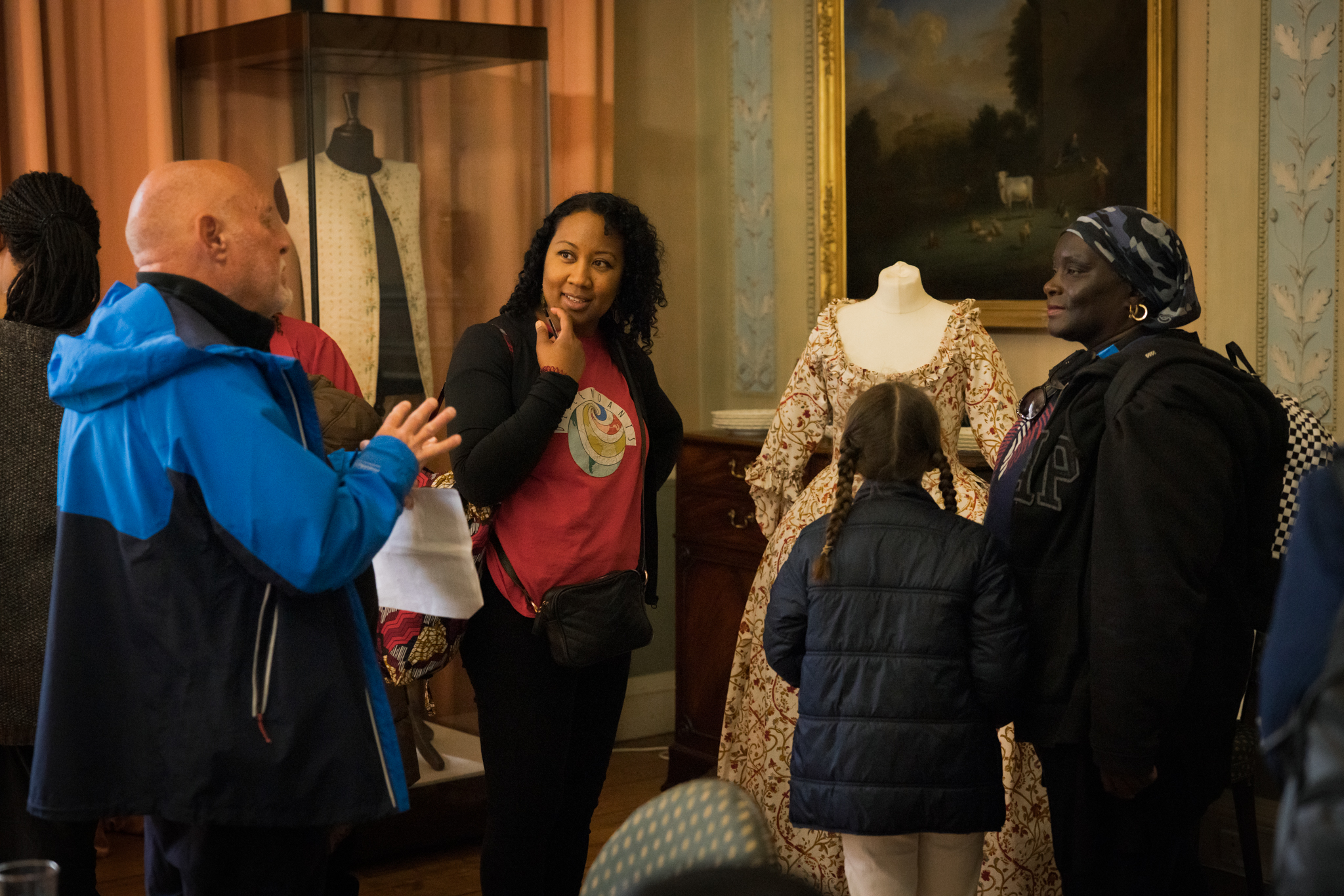
Activities included workshops, 1-2-1 creative sessions, tailored guided visits to Paxton House, online exchanges, and creative sessions and resulted in artworks, musical responses, films, performances, and an exhibition.
‘Palimpsest’
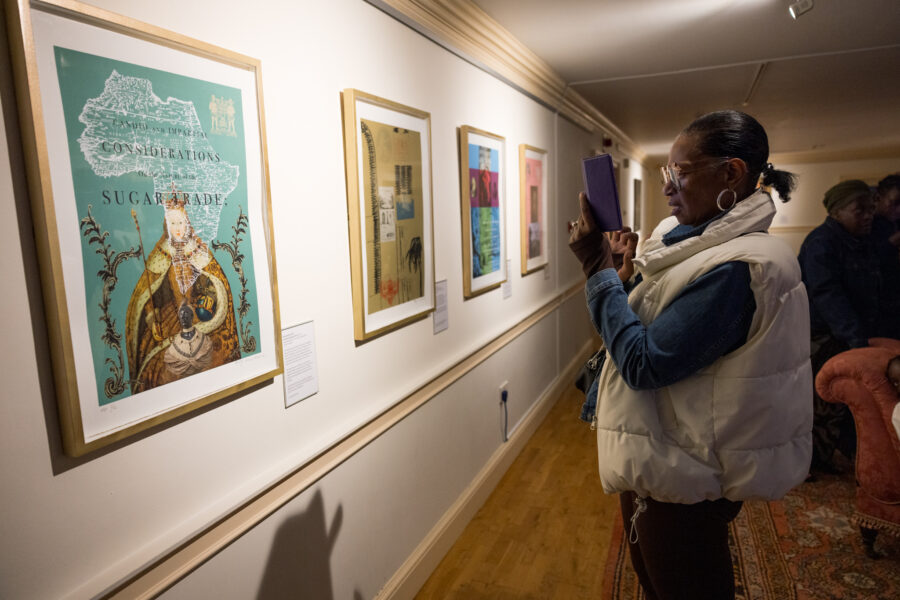
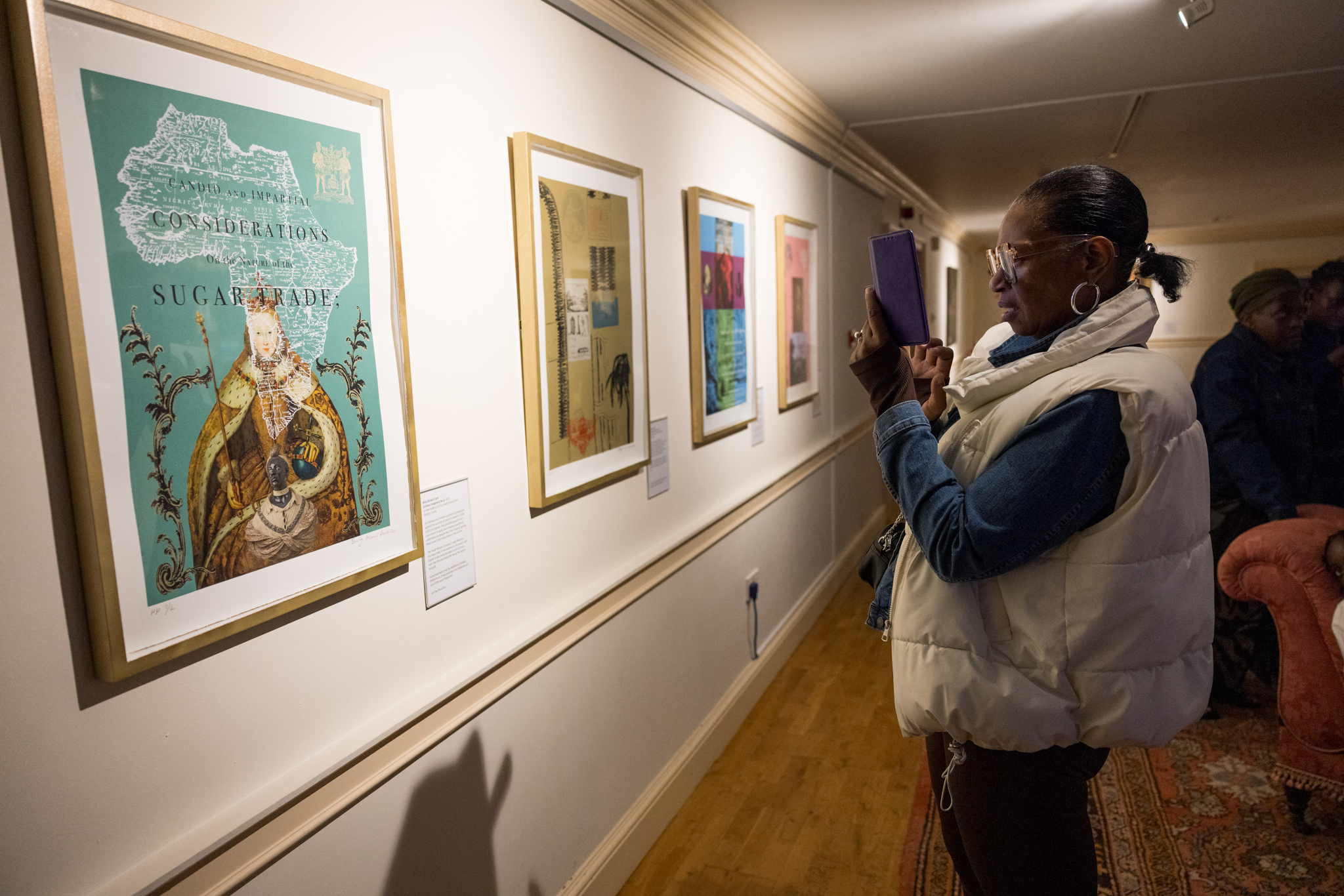
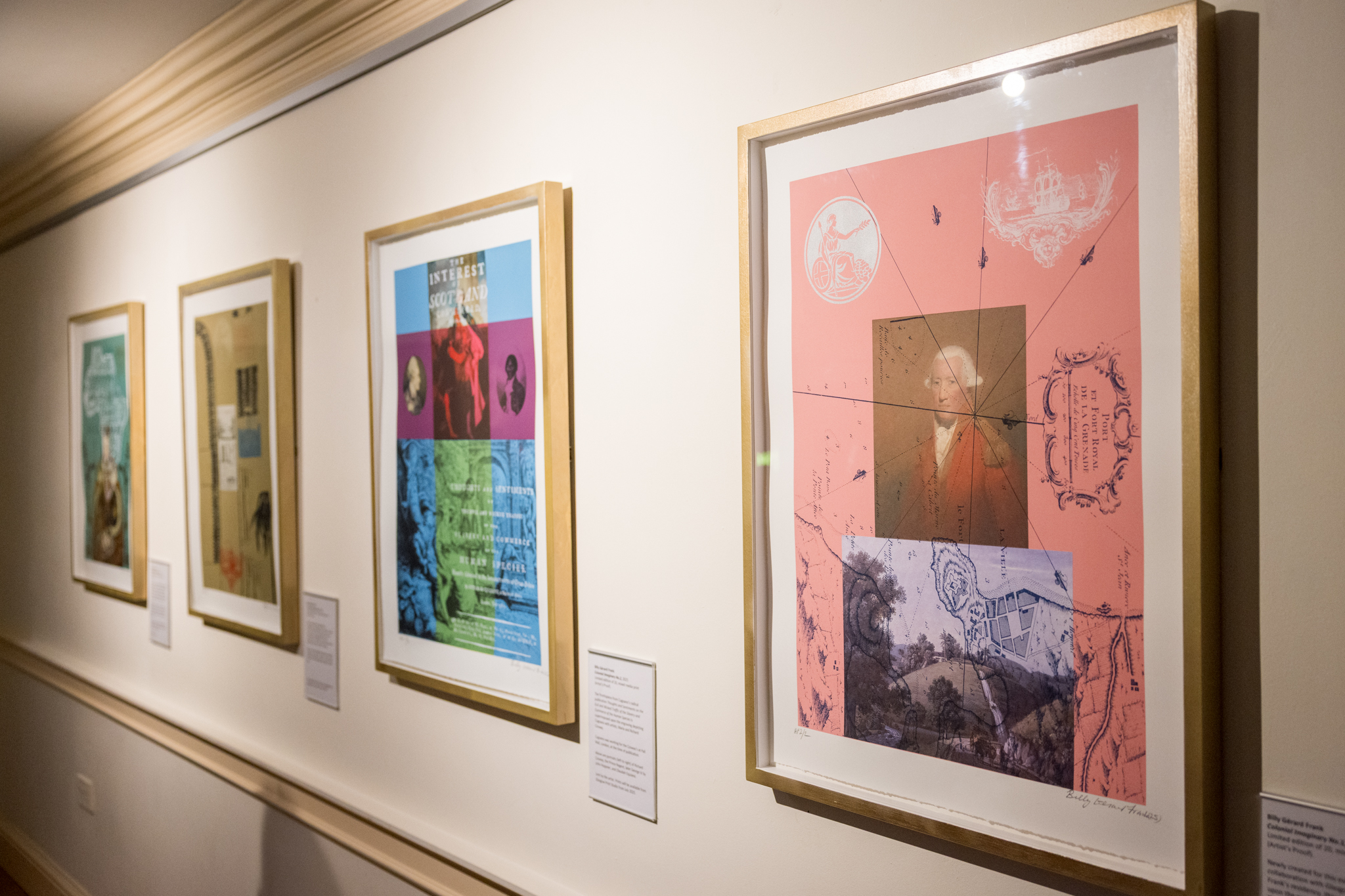
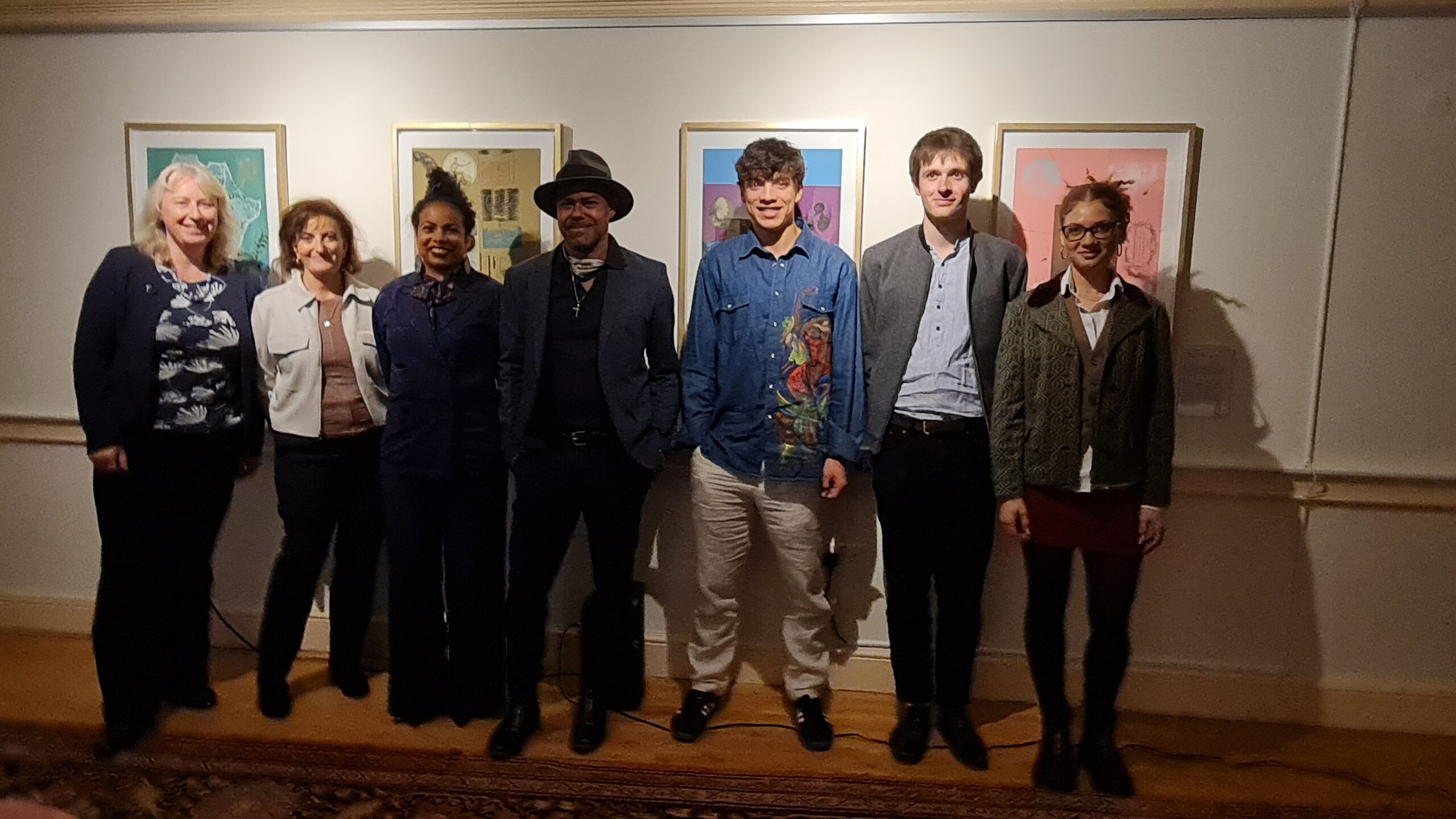
The ‘Billy Gérard Frank: Palimpsest’ exhibition ran from May to November 2025. It was centred on the work of Grenadian-born artist Billy Gérard Frank, including his film Palimpsest, multimedia art, and new work created in collaboration with Glasgow Print Studio and inspired by Paxton’s collections and its transatlantic connections.
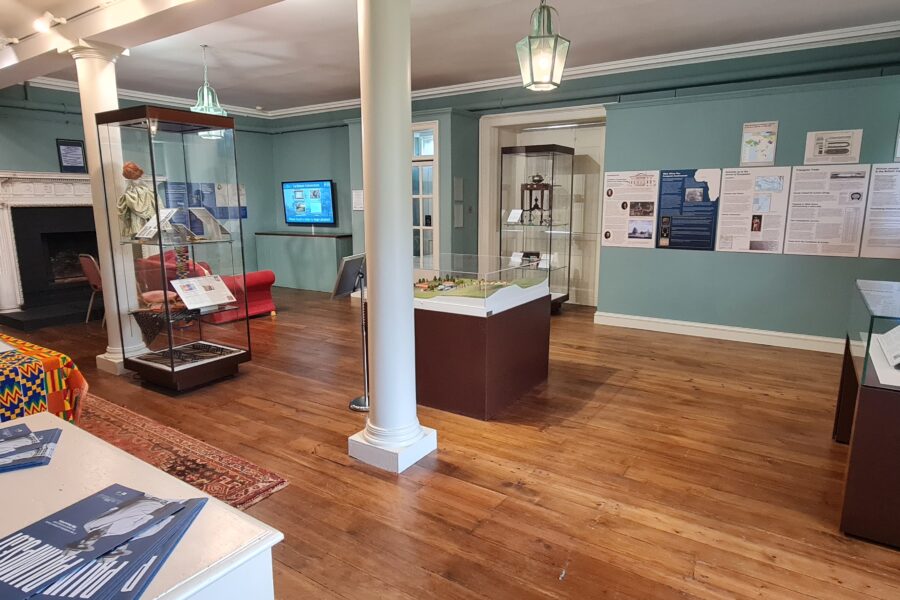
Caribbean Connections Exhibition
One of the outputs of this project was the instatement of the Caribbean Connections exhibition, moving an existing display into a more prominent position within the house, and enhancing the exhibition with new content including films created with community partners.
Participation and Engagement
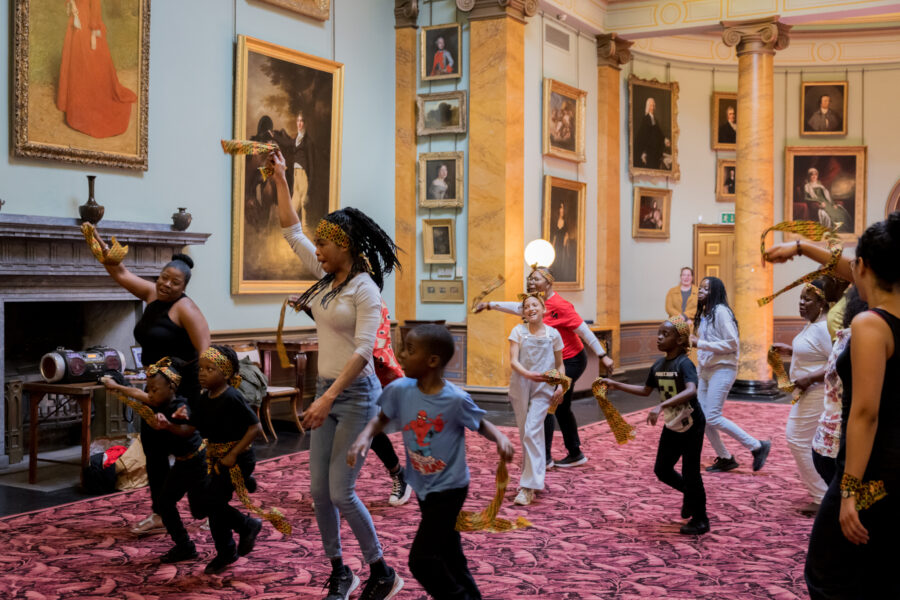
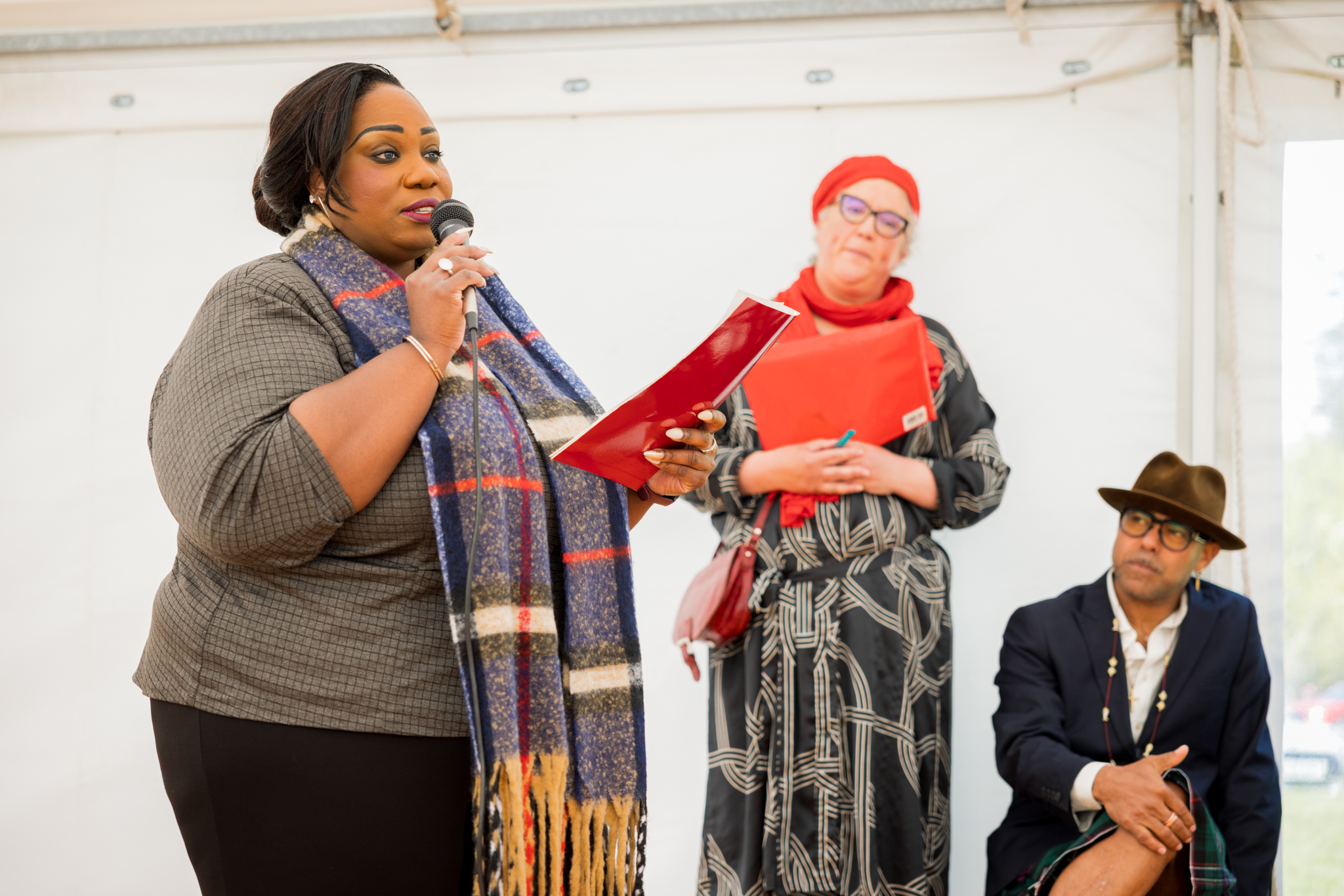
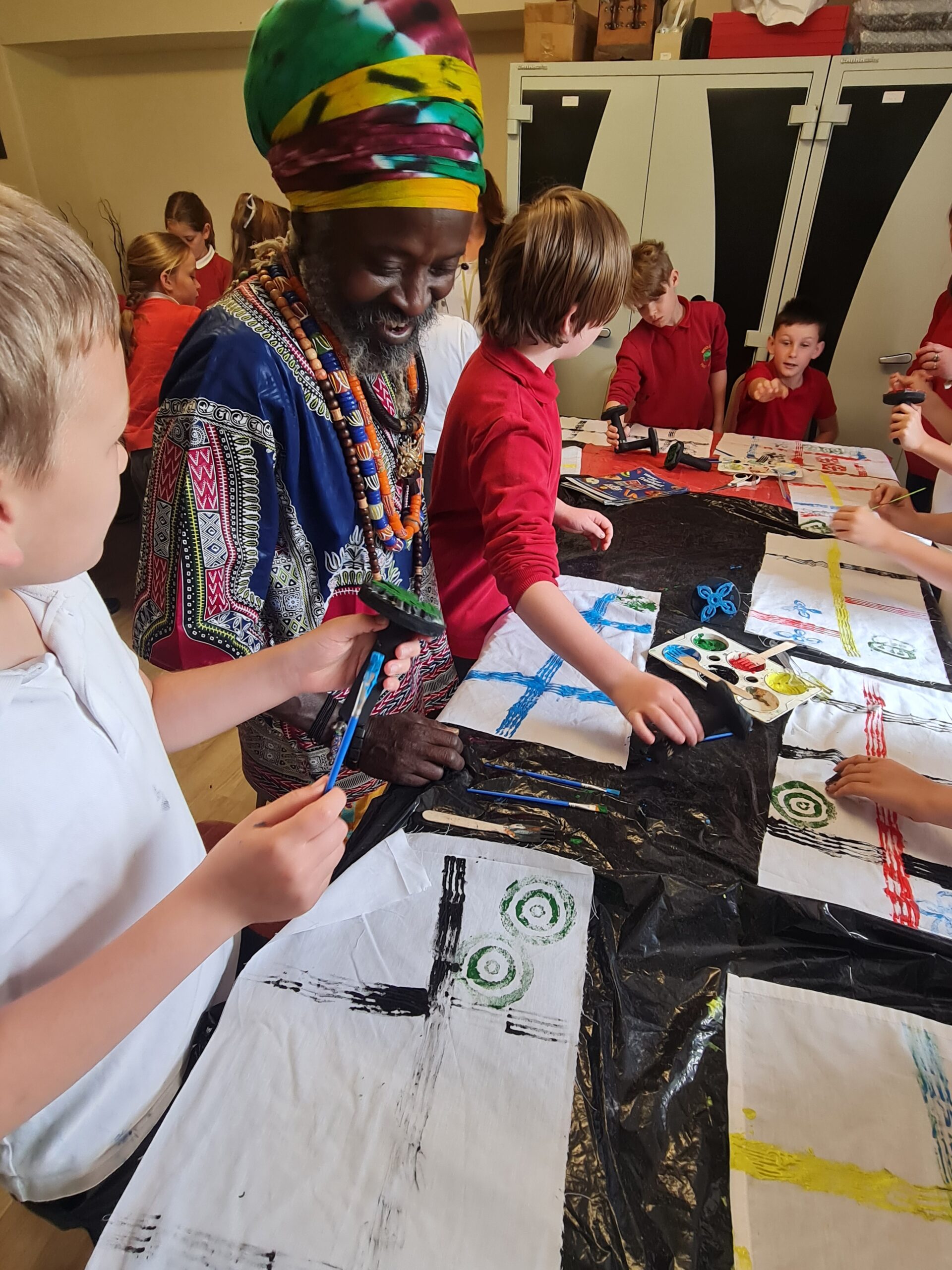
A number of events and activities ran alongside the Palimpsest exhibition, including a celebratory launch day, children’s and schools’ workshops, lectures, talks, ‘Artists in Conversation’ events, a cooking demonstration, and a spoken word and music performance.
Building Bridges
Central to the project was work with a number of partner organisations, developed in collaboration by Descendants Children’s Charity, Edinburgh Caribbean Association, artist Billy Gerard Frank and partners in Grenada.
Bridge 1
Work with Bonair Government School in Grenada saw learners participate in a multimedia/performance/oral history project that sought to capture and celebrate the powerful stories of the resilience, empowerment, and cultural ingenuity of the enslaved Africans who once lived and worked on Waltham Estate. This ‘bridge’ aimed to amplify marginalised voices, promote agency over Grenadian cultural narrative, and promote intergenerational dialogue. Lead on this project was Zoe Smith of the Caribbean Institute for EcoLiberation Inc. (CIEL) in Grenada, a non-profit working at the intersection of climate resilience, ancestral knowledge, oral history and community-rooted regeneration.
The students produced a nine-minute film with the support of historian Dr Angus Martin and film producer Meschida Philip which, along with the films produced by the other co-production partners, is on show in Paxton House as part of the Caribbean Connections permanent display and was shown as part of the project exhibition.
Bridge 2
Under the guidance of Edinburgh Caribbean Association and led by author and historian Lisa Williams, participants delved into the stories of enslaved individuals brought from Grenada to Scotland by the Home family and friend Alexander Campbell. Through research and creative expression, this bridge aimed to shed light on forgotten narratives and foster cross-cultural understanding. Participants creative responses included poetry and written word, and a performance film in which Leilani Taneus-Miller composed and performed a spoken word performance accompanied by her son Beau Taneus-Miller’s specially composed cello music. This was filmed on location at Paxton House.
Bridge 3
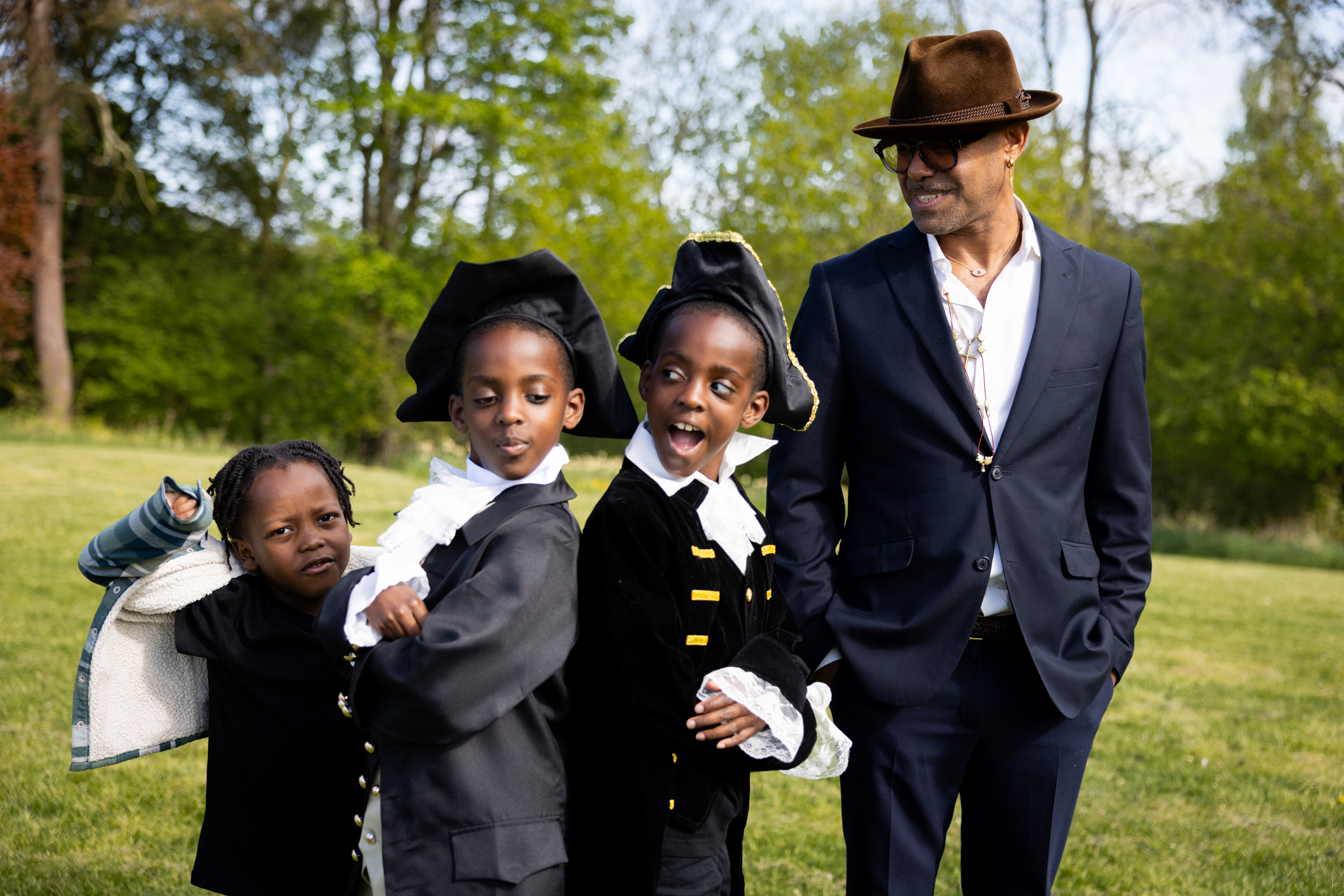
Led by Descendants Children’s Charity, children and young people aged 4-16 focussed on figures from the Sons of Africa group, a late 18th century group in Britain that campaigned to end African chattel slavery, and Britain’s first black political organisation. Its members included Ottobah Cugoano, ‘bought’ as an enslaved person in Grenada by Alexander Campbell, a friend and business partner of the Home family and trafficked to Britain on the same ship as Ninian and Penelope Home. Guided by volunteer educators and Grenadian-born filmmaker and director Adrian Logan, participants created artwork, raps, performance and a film reflecting the contemporary relevance of the Sons of Africa. The bridge aimed to honour the legacy of the community’s ancestors and their struggles and resilience, while envisioning a more inclusive future.
Total project costs: £33,944.24
Destination Tweed contribution: £10,000 (29%)
20 events delivered, plus a launch day with over 100 attendees
350 participants (events/activities)
Over 14,000 visitors to ‘Palimpsest’ and Caribbean Connections through the 2025 season
Around 800 hours of volunteer time contributed to the project
“The trip to Paxton House is etched in our memories. The level of care that went into the whole weekend and the wonderful range of activities on the Saturday, were so enriching… For me, as mum, Paxton House represented acknowledgment…something that is lacking more generally and there is something really healing about that. Thank you all.”
“I truly appreciate what the Trust is doing to recognise the past while fostering cross-cultural understanding and dialogue. It’s a powerful and necessary step forward.”
“I think it is a great initiative and hope it will be forbearer of future endeavours to demonstrate Caribbean heritage and the impact on slave trade on grand estates such as Paxton.”
“Incredible artwork. Informative and sympathetic presentation re slavery & the proceeds of slavery used as the bedrock of funding for great country houses in the UK, with pertinent & interesting references to Paxton in particular.”
Feedback from visitors, project partners and participants
Paxton’s work so far exploring the Home family’s connections with the transatlantic slave trade represents foundational steps, placing the organisation at the beginning of longer-term decolonisation, which is a dynamic and sustained process. The learning captured here offers a clear path forward: with time, commitment and continued collaboration, Paxton has the opportunity to build on this foundation and set a meaningful precedent for how historic houses in Scotland – and further afield – can engage with their past and communities.
You can find out more about Paxton House and the Paxton Trust on their website:
The Community Grants Scheme was made possible by funding from the National Lottery Heritage Fund Scotland.
Find out more about Destination Tweed’s Community Grants Scheme