Designed Landscapes – Ashiestiel
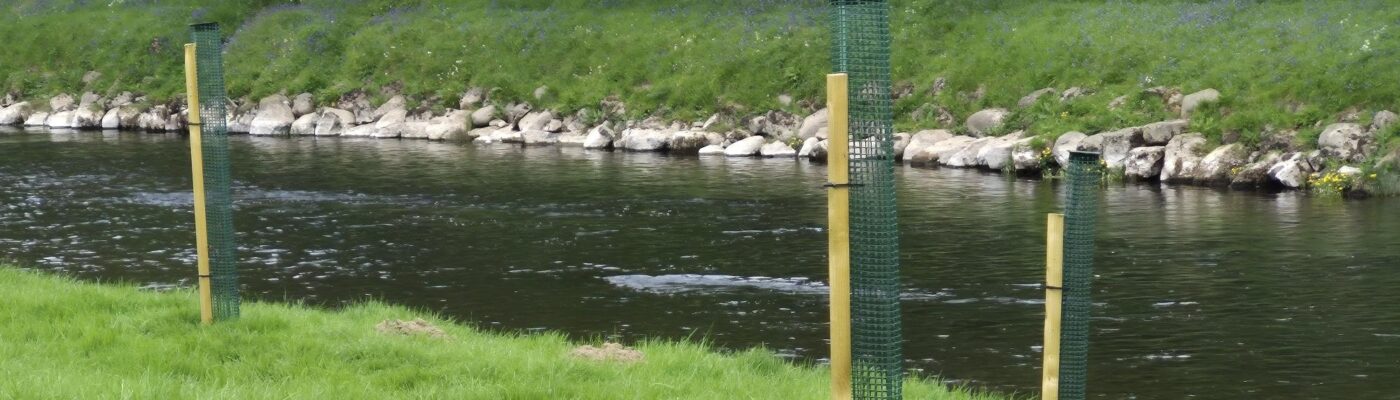

Ashiestiel is a model designed landscape on the south side of the River Tweed between Galashiels and Innerleithen, and is notably where Sir Walter Scott began his passion for landscape tree planting.
Background
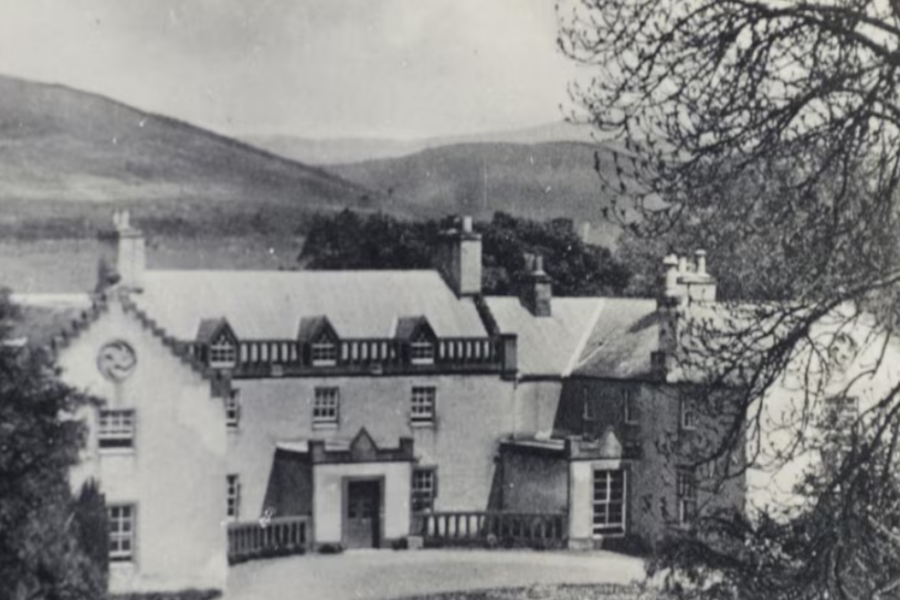
Ashiestiel is one of the most significant historical Estates in the Scottish Borders. The earliest known reference to the Estate dates from 1456 when “Echesteile” was recorded as a holding within the Royal Ettrick Forest.
Ashiestiel House developed from an earlier Tower House which, over the centuries, was enlarged through a series of additions creating the Country House seen today. The Estate became associated with the Ker family of Ferniehurst during the 16th Century and later passed to the Russell family, who owned it for generations.
Ashiestiel is best known, as the home of Sir Walter Scott, who leased the Estate from his Russell relatives between 1804 and 1812 while serving as Sheriff of Selkirkshire, and lived there with his wife and four children. During his years at Ashiestiel, Scott wrote some of his most celebrated works drawing inspiration from the surrounding landscape and began his tree planting work which would continue at scale up later in his career. The success of these writings enabled him to purchase land along the River Tweed and begin the development of nearby Abbotsford.
The wider Ashiestiel Estate has long been a working agricultural landscape, containing farmsteads, cottages, woodland, and grazing land alongside the principal house. The estate sits in a dramatic setting beneath Ashiestiel Hill and overlooking a picturesque stretch of the River Tweed, a landscape that has changed little since Scott’s time.
Tree Planting Activity
A 1722 description of the estate in Mitchell (1907) talks of ‘Eshisteell as one house with orchards and parks and planting.’ Later, in 1754, Roy shows Ashiestiel associated with a scatter of woodland. The OS map of 1857 shows planting along riverbanks and on the hill at the south and west which largely remains today.
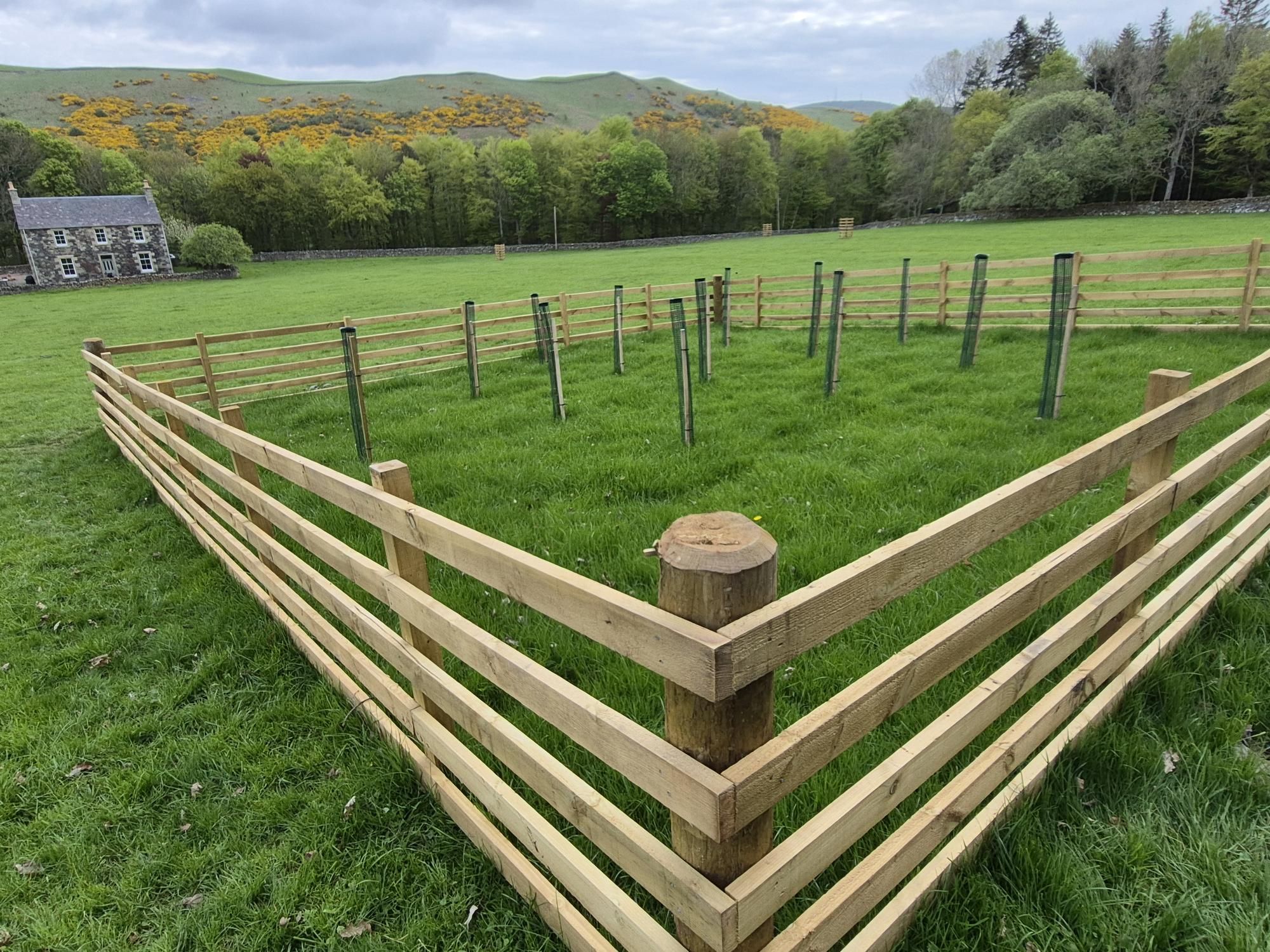
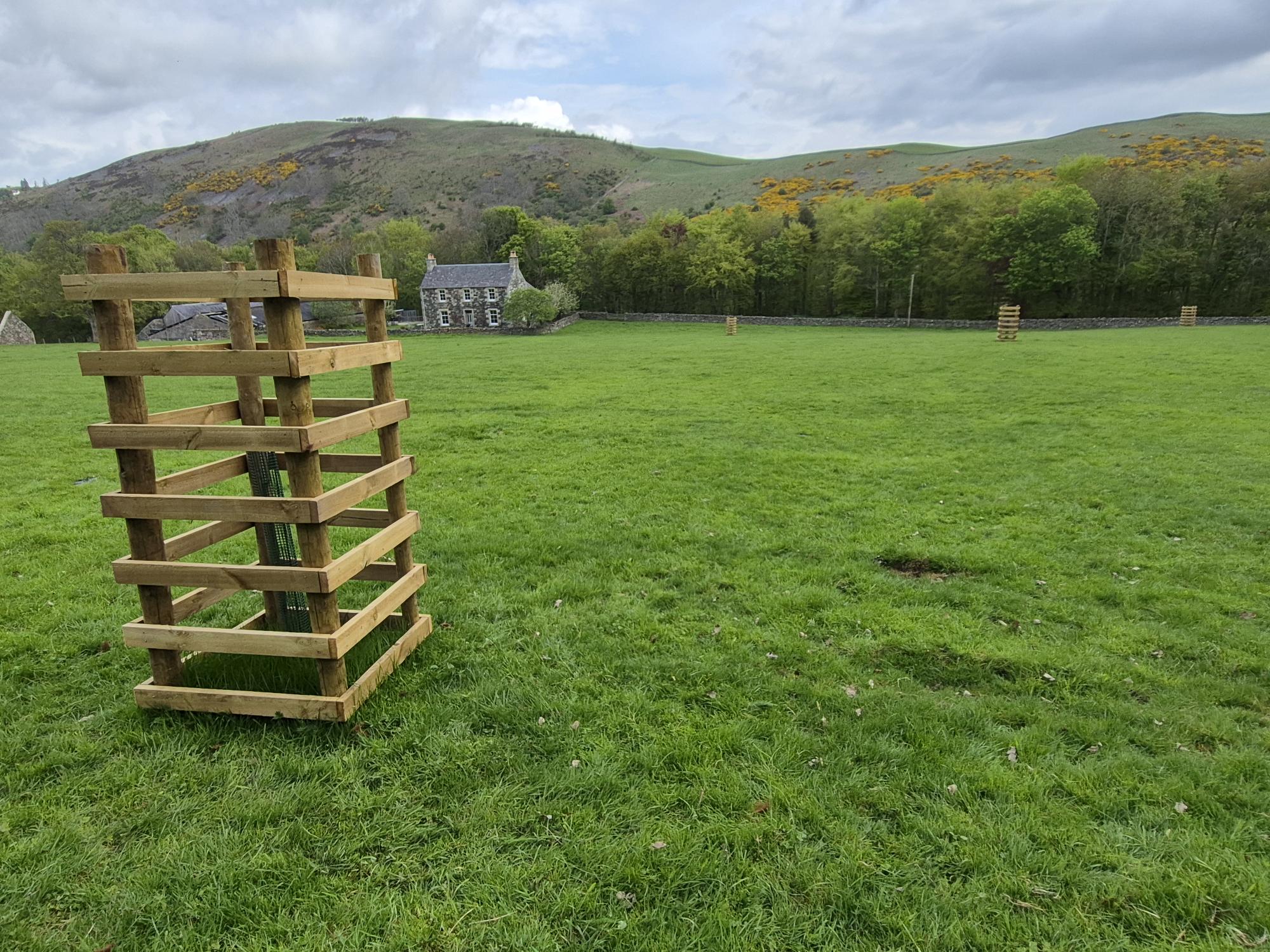
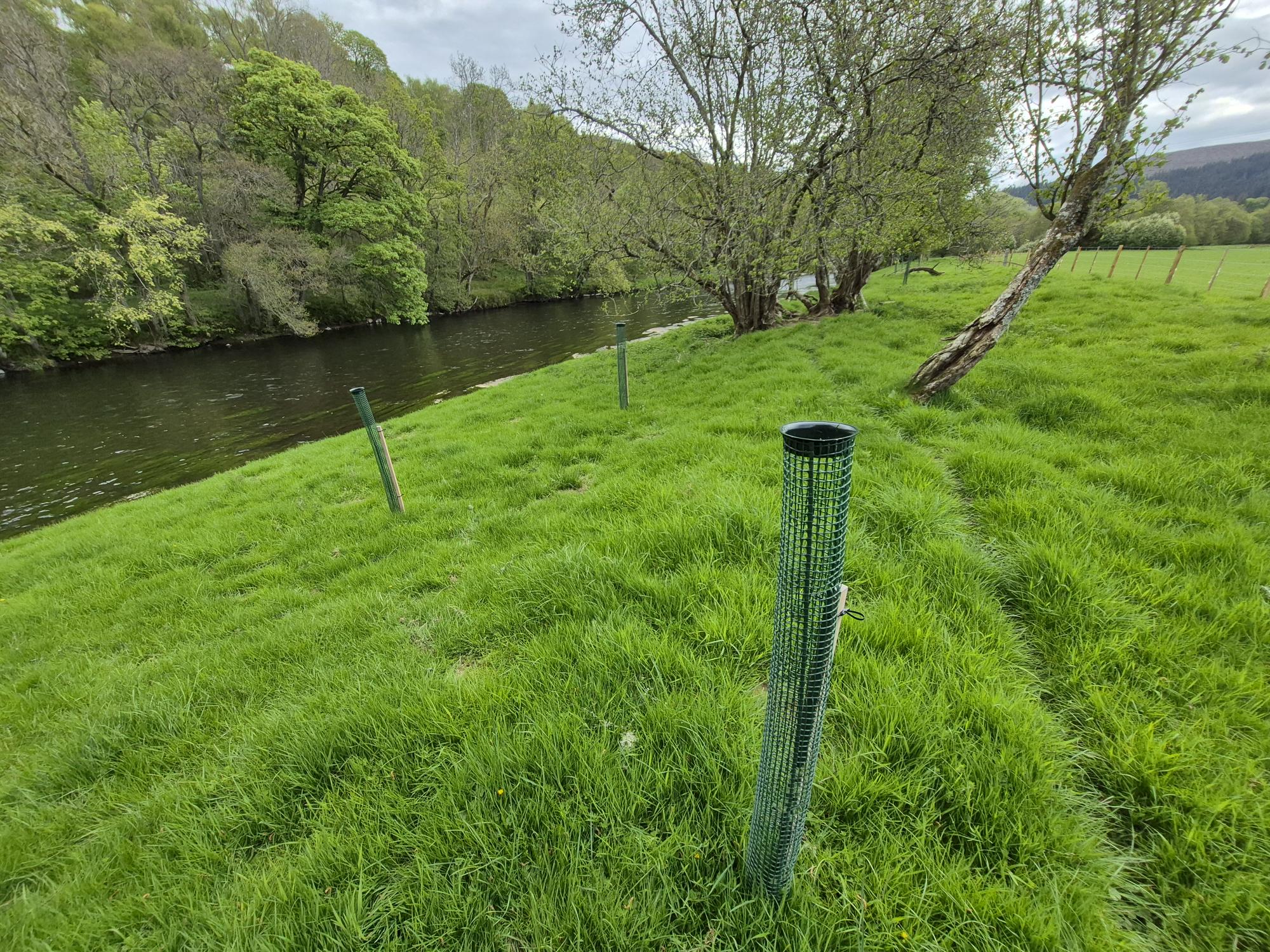
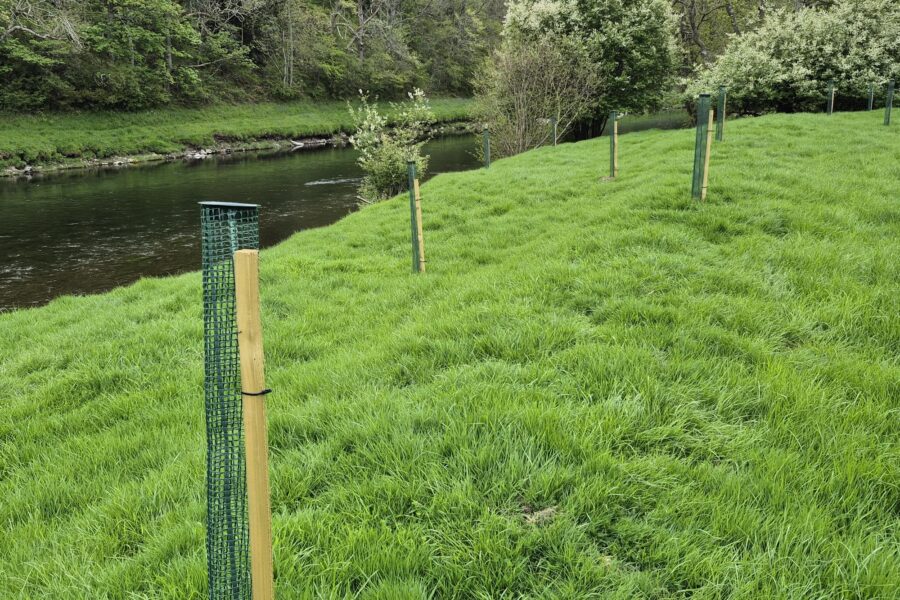
Working with the Estate, Project Facilitator Derek Robeson was able to assist with the historic planting of this significant landscape and help identify key sites for new parkland tree planting. This work consisted of roundels of Beech trees, riverbank trees and individual parkland trees including Oak, Chestnut, Sycamore, Lime, Rowan, Alder, Silver Birch and Aspen.
Tree Planting Summary
20 parkland trees
10 Beech trees in roundels
40 riverbank trees
TOTAL: 70 LANDSCAPE TREES
Long Term Impact & Benefits
If there was ever a landscape that inspired Scotland’s first romantic novelist…this is it! We forget today, how widely read Sir Walter Scott was 200 years ago. He single handedly put Scotland on the international stage through his historical writings. We are very pleased that the current land owner was keen to enhance the existing landscape with parkland trees, trees which we are certain Scott would have approved of.
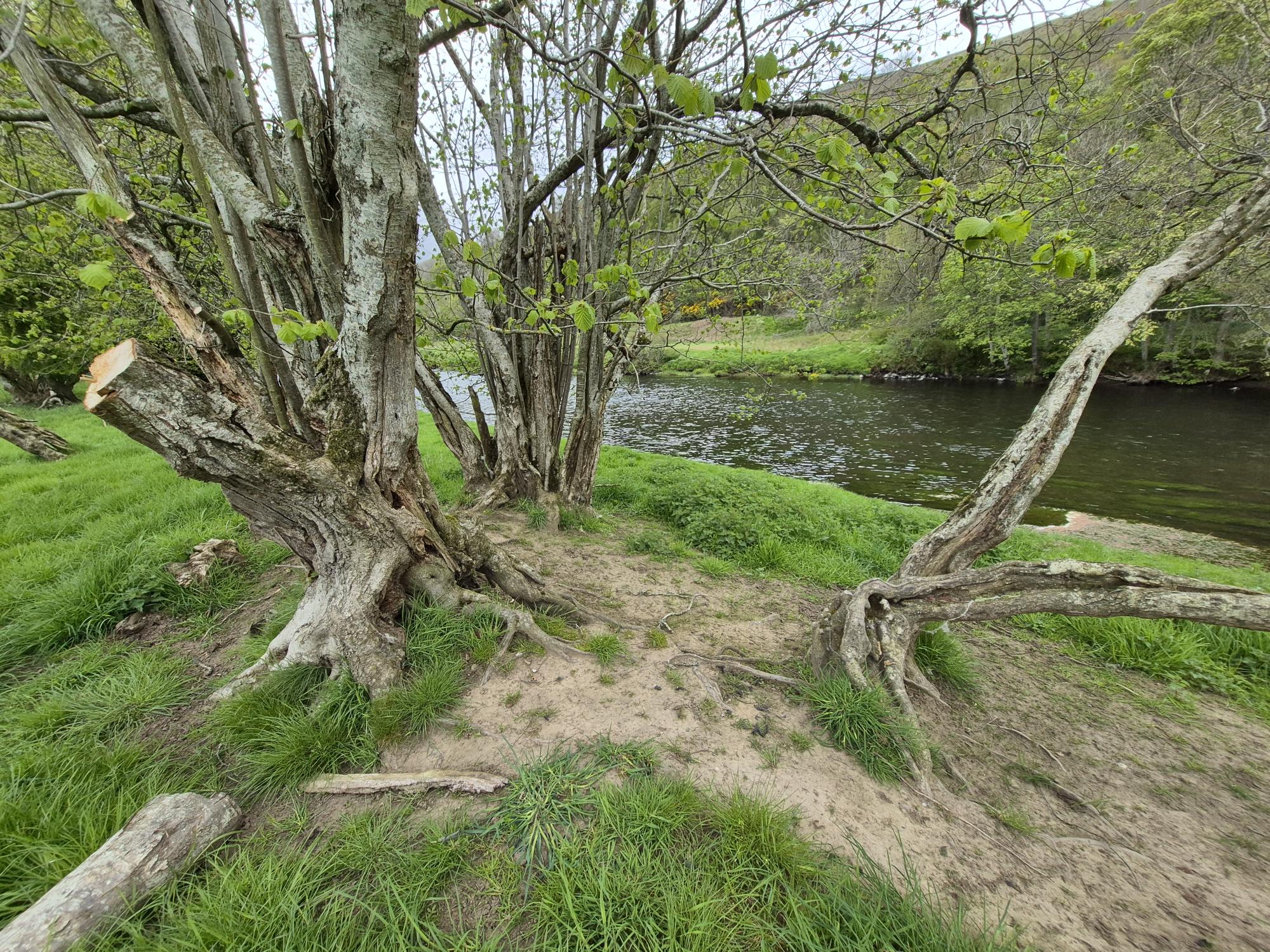
Along the River bank where a young Walter Scott must have sat and read and fished many times, you still get a feel for what he must have felt walking and sitting there. Many of the older trees on the Estate would have been chosen and planted by Scott himself. There are several very old Lime trees by the river, for example, that we think may have been planted by Scott as they have that air a ‘sense of place and purpose’ that only truly really old trees possess.
The Designed Landscapes project is funded by National Lottery Heritage Fund Scotland, Fallago Environment Fund and private contributions.