Designed Landscapes – Barns House
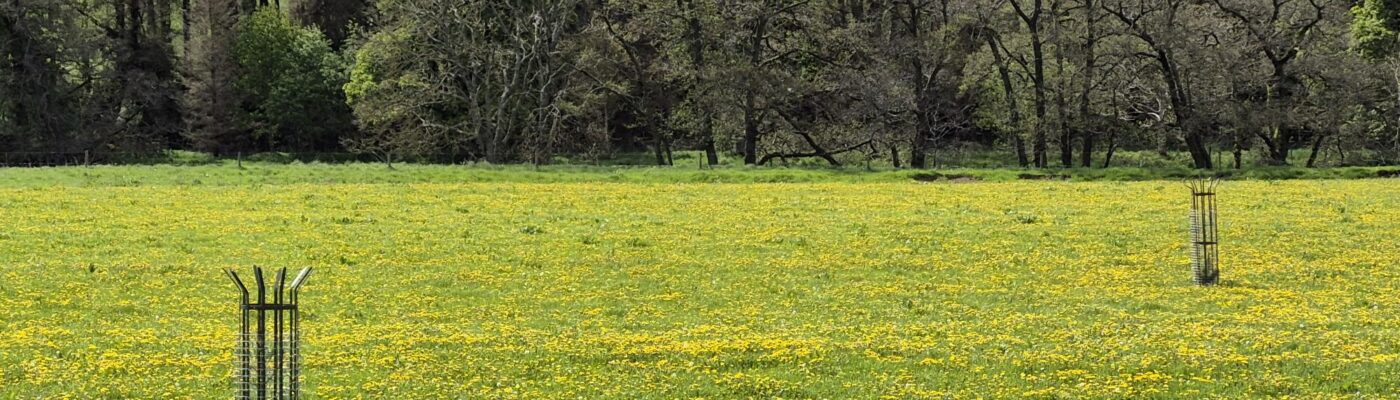

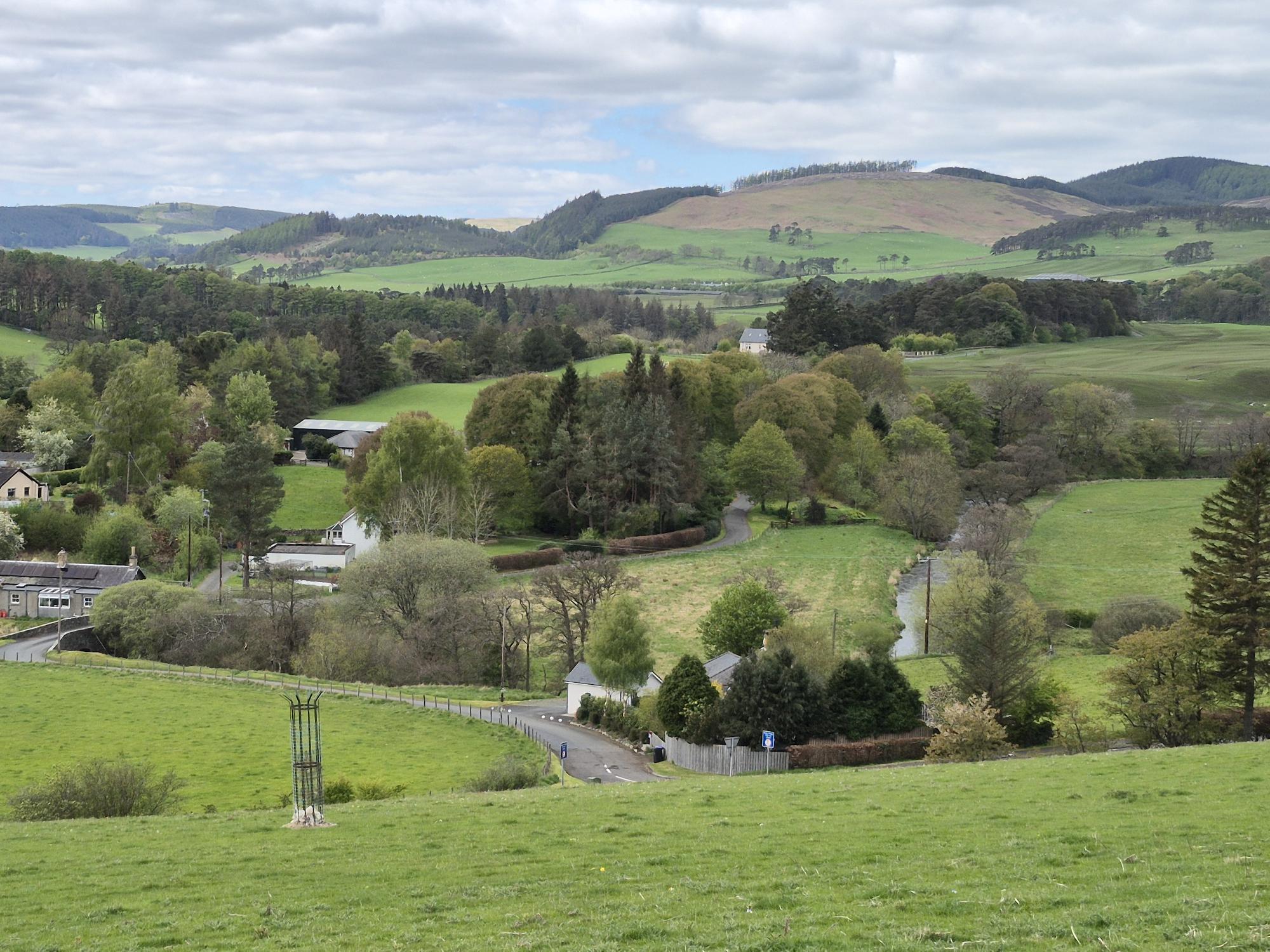
A few miles west of Peebles, Barns House lies on the south bank of the River Tweed, and is closely tied to historic Borders families and was once a source of literary inspiration.
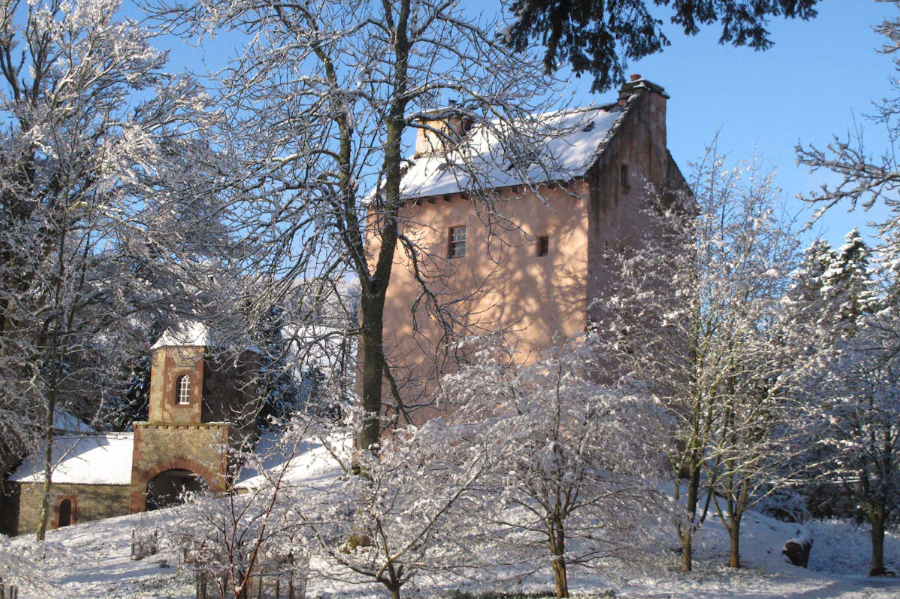
Background
The lands of Barns were held by the Burnet family from at least the 15th century. Through marriage and inheritance, the Burnets established a lasting connection with the area, shaping both the estate and the surrounding landscape for generations.
The estate’s earliest surviving landmark is Barns Tower, a fortified sixteenth-century tower house built by William Burnet and was the family residence for over two centuries. Like many Border strongholds of the period, the tower reflected the turbulent times in which it was constructed, offering security and a commanding position overlooking the Tweed Valley.
By the late 18th century, changing tastes and greater stability along the Borders led to a shift away from defensive tower houses towards more comfortable country homes. Between 1773 and 1780, James Burnet commissioned the present Barns House, a handsome Georgian mansion that replaced an earlier residence on the estate. The estate continued to play an important role in the local rural economy, with its farmlands and policies contributing to the character of the Tweed Valley landscape.
Barns also holds a place in Scotland’s literary heritage. The Peebles-born author John Buchan drew inspiration from the estate and its history for his historical novel John Burnet of Barns, using the surrounding countryside and the story of the Burnet family as the backdrop for his tale of seventeenth-century Scotland. Today, Barns House and its estate provide a tangible link between the medieval Border world of tower houses and the more settled, landscaped estates that came to define the Georgian era along the River Tweed.
Tree Planting Activity
On Roy’s map c. 1750, Barns possessed a very modest landscape of walled enclosures with a few trees, with neighbouring Haseldykes unenclosed and surrounded by cultivation riggs. Additional landscaping is likely to have begun in the 1770’s to coincide with the building of Barns House.
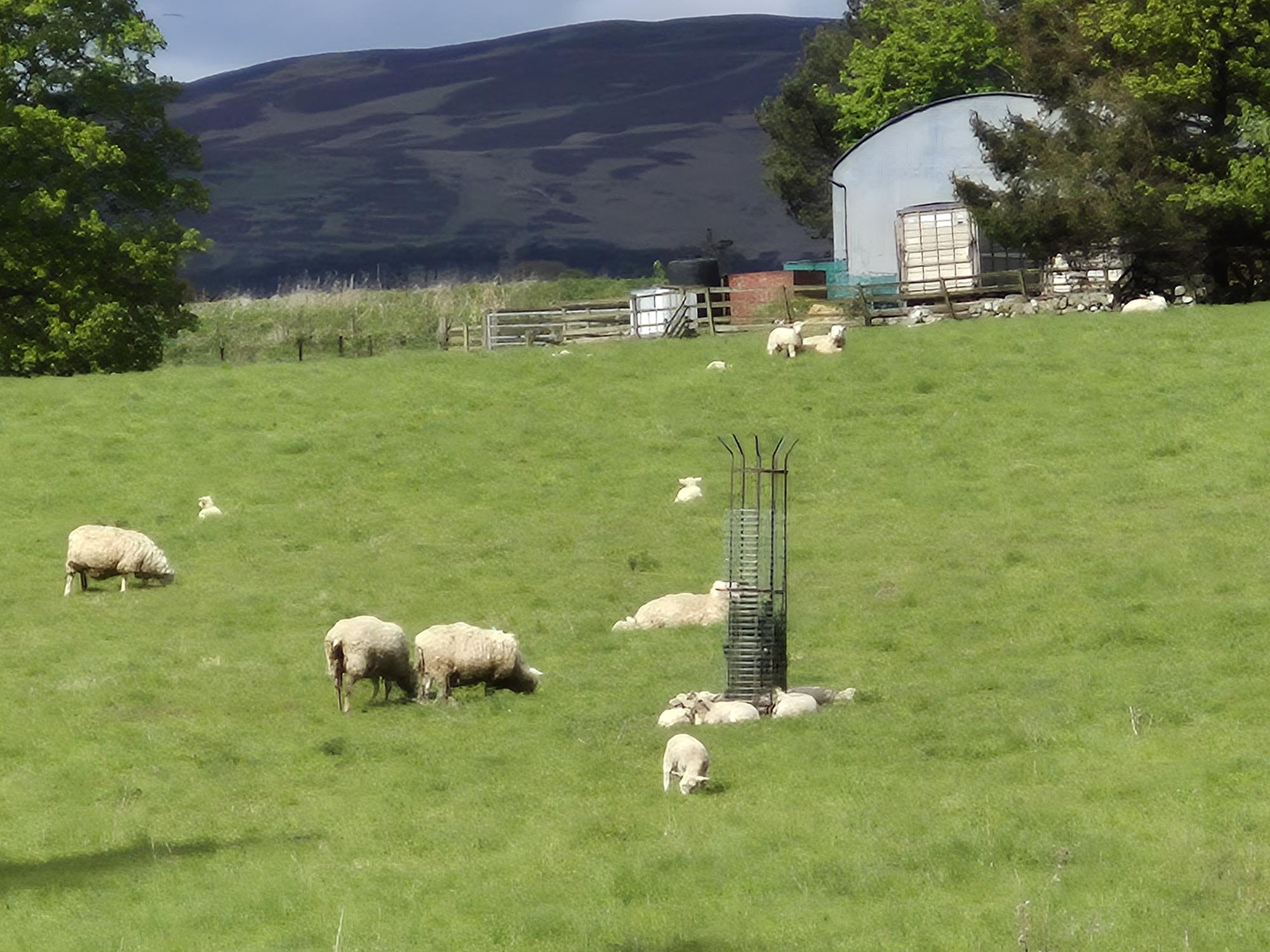
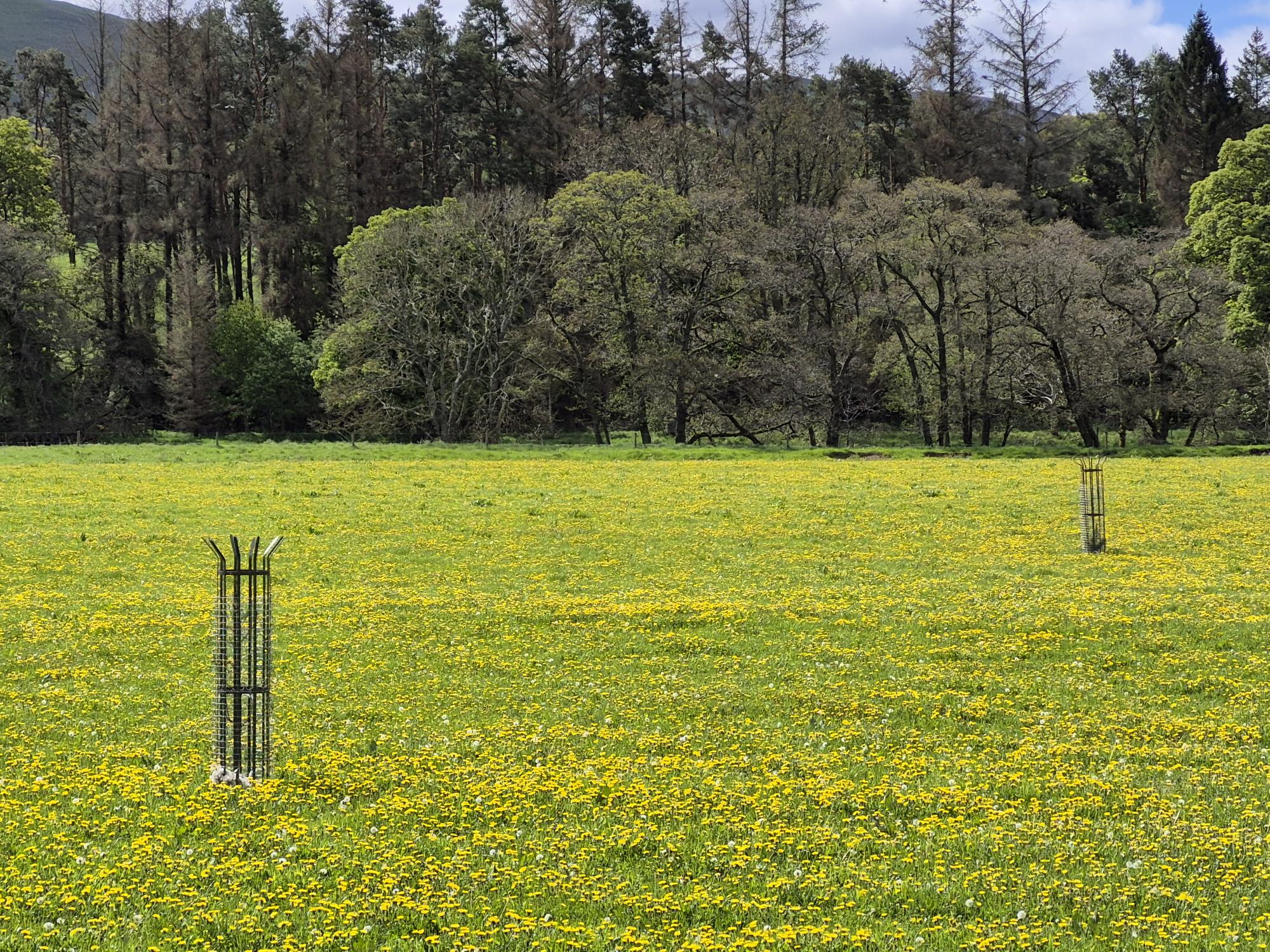
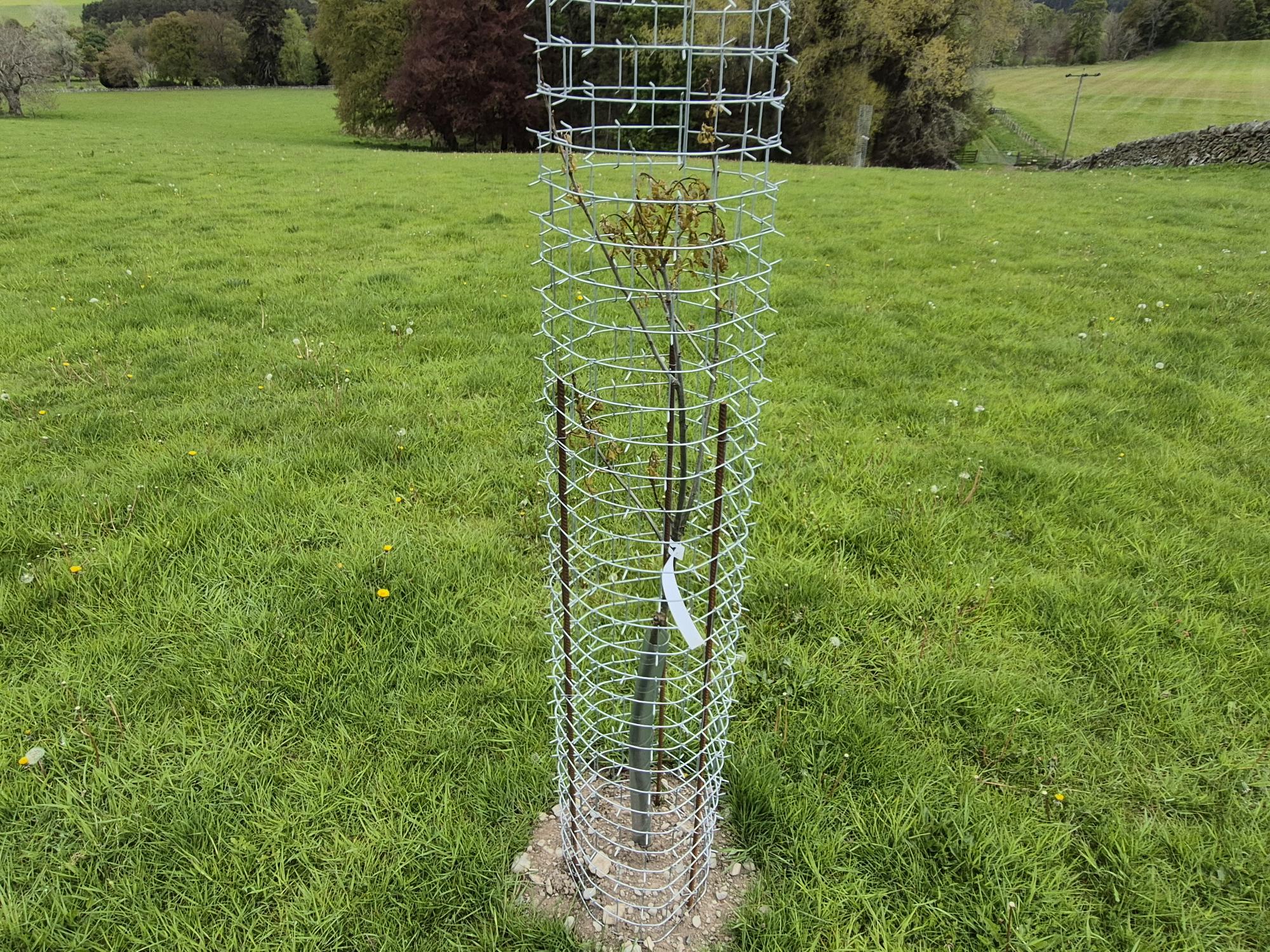
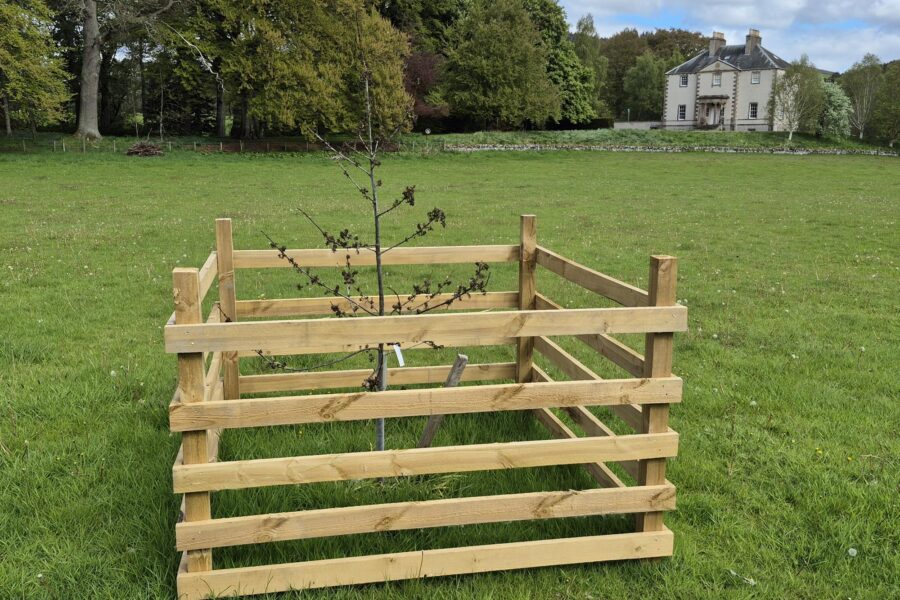
Designed Landscapes Project Facilitator, Derek Robeson, worked with the estate to map historic planting on this regionally significant parkland. A total of 333 landscape trees were planted across different sites including; the riverside, along tree lined avenues and the old railway line.
The many riverside trees will provide shade for cooling the water. This will benefit fish such as Salmon. The dozens of parkland trees wild help add landscape appeal and make the estate more visually attractive.
Tree Planting Summary
333 landscape trees including species such as Willow, Alder, Aspen, Oak and Sycamore
TOTAL: 333 LANDSCAPE TREES
Long Term Impact & Benefits
The nearby town of Peebles, is a historic market town much frequented by tourists. Barns Estate is on the Tourist trail. The many trees planted within the scheme, will help act as visual anchors, creating focal points which draw the eye and break up open spaces. Individual landscape trees provide a sense of scale, helping large expanses of pastureland to feel more balanced, proportionate and diverse. Strategically planted trees help frame a distant view or mark hidden pathways or enhance architectural features such as houses or cottages. The approach to Peebles will be enhanced considerably by the landscape tree planting undertaken here.
The Designed Landscapes project is funded by National Lottery Heritage Fund Scotland, Fallago Environment Fund and private contributions.