Designed Landscapes – Edrington Mains
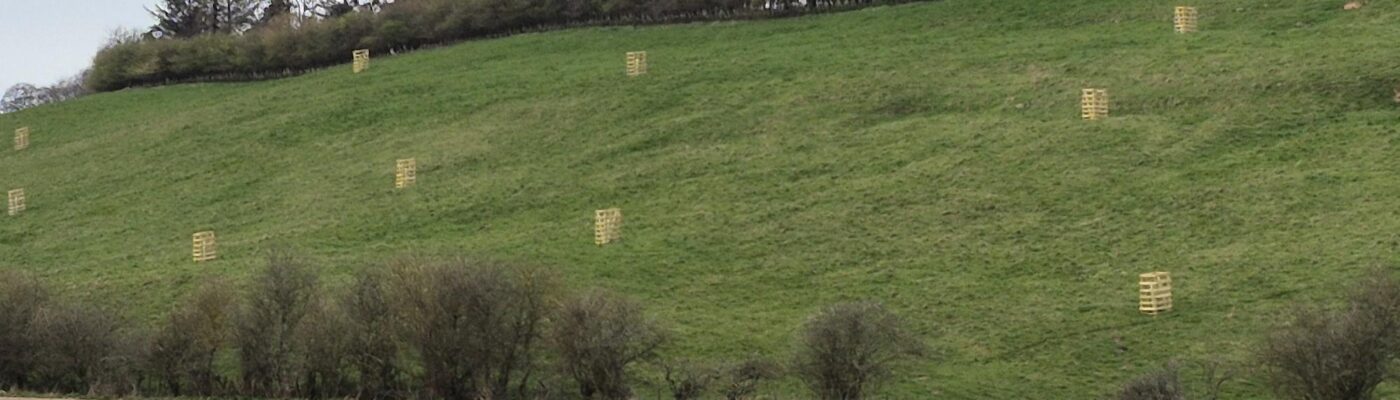

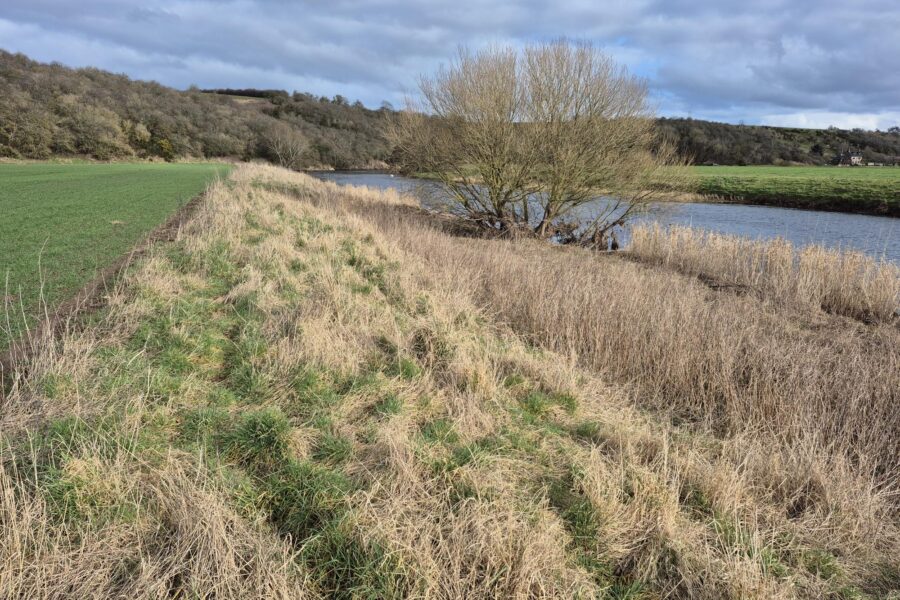
Edrington Mains lies close to the Whiteadder Water, a tributary of the River Tweed, and is an example of a designed landscape where history and agriculture coincide.
Background
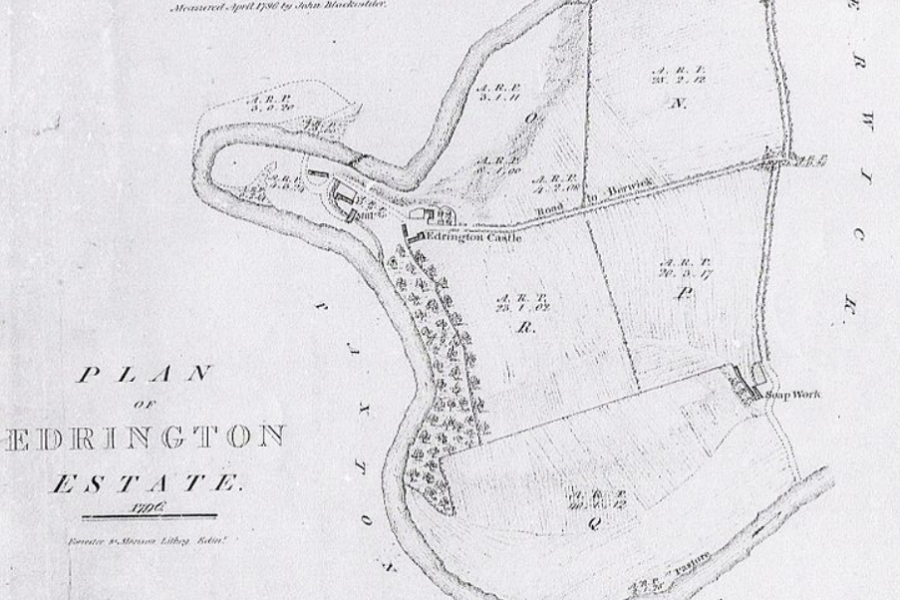
The estate appears in documentary sources as early as the late 11th century, when lands at Edrington were mentioned in charters associated with King Edgar of Scotland and Coldingham Priory. By 1304, records refer to the “King’s lands of Edringtone” and its mill, reflecting its importance as a productive agricultural and economic centre.
It was also one of the earliest fortified sites along the Border with a castle on the steep bank overlooking the Whiteadder, probably from around the 14th century. The position was strategically important, controlling movement through this frequently contested Border Region.
During the turbulent centuries of Anglo-Scottish conflict, the estate changed hands several times and suffered damage from warfare and raids.
By the 17th and 18th century, Edrington became primarily an agricultural property as the castle gradually fell into ruin. The classical mansion house, dated early to mid-18th century, stands approx. 1km north of Edrington Castle and Farm Steading. The house itself features a walled garden and off to the east, a well wooded valley, which appears to have changed little since the 20th century.
Its position within the Tweed valley landscape, close to Paxton and the lower Whiteadder, provides a tangible connection to centuries of agricultural development, history, and estate management in the Lower Tweed.
Tree Planting Activity
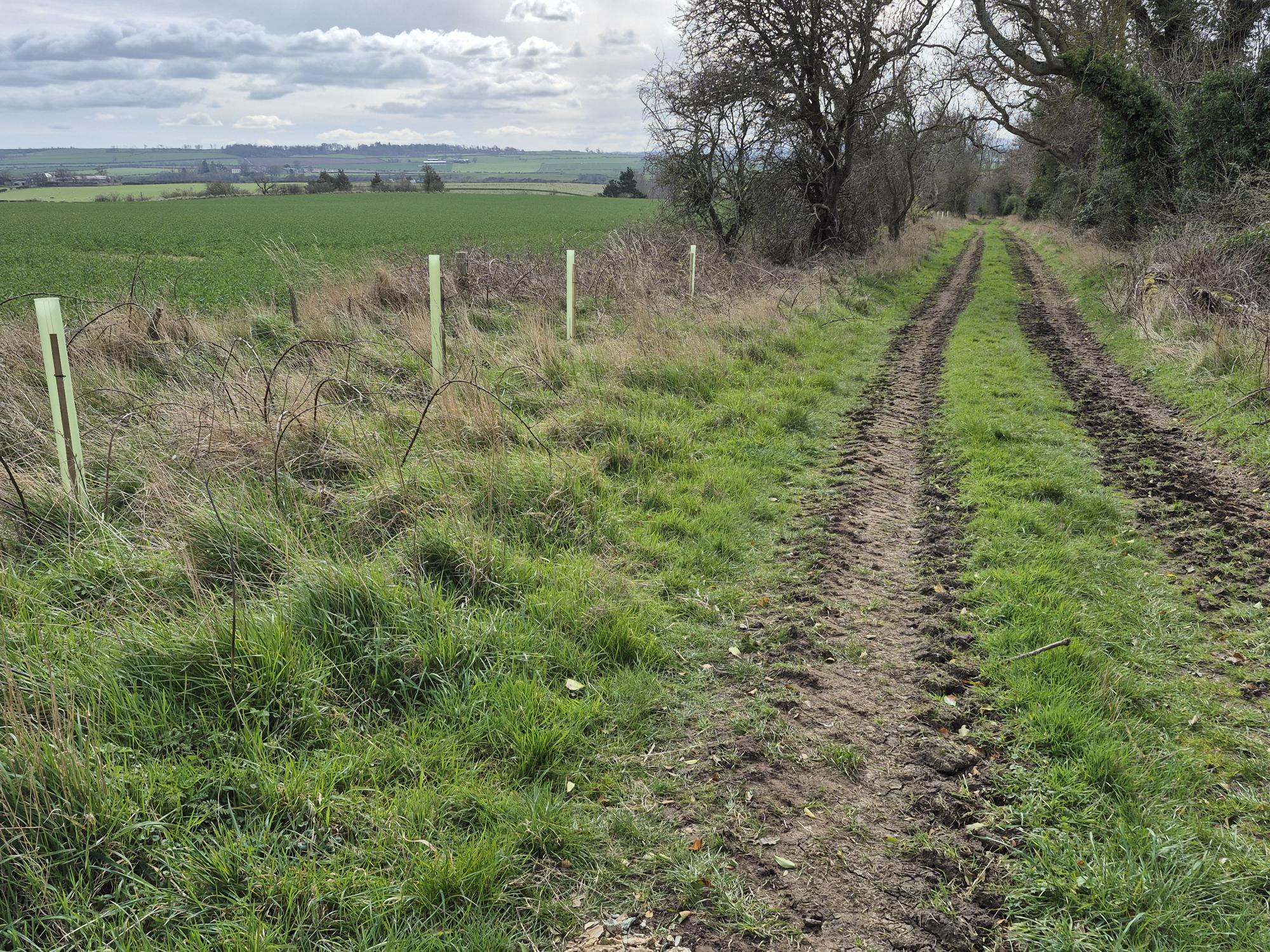
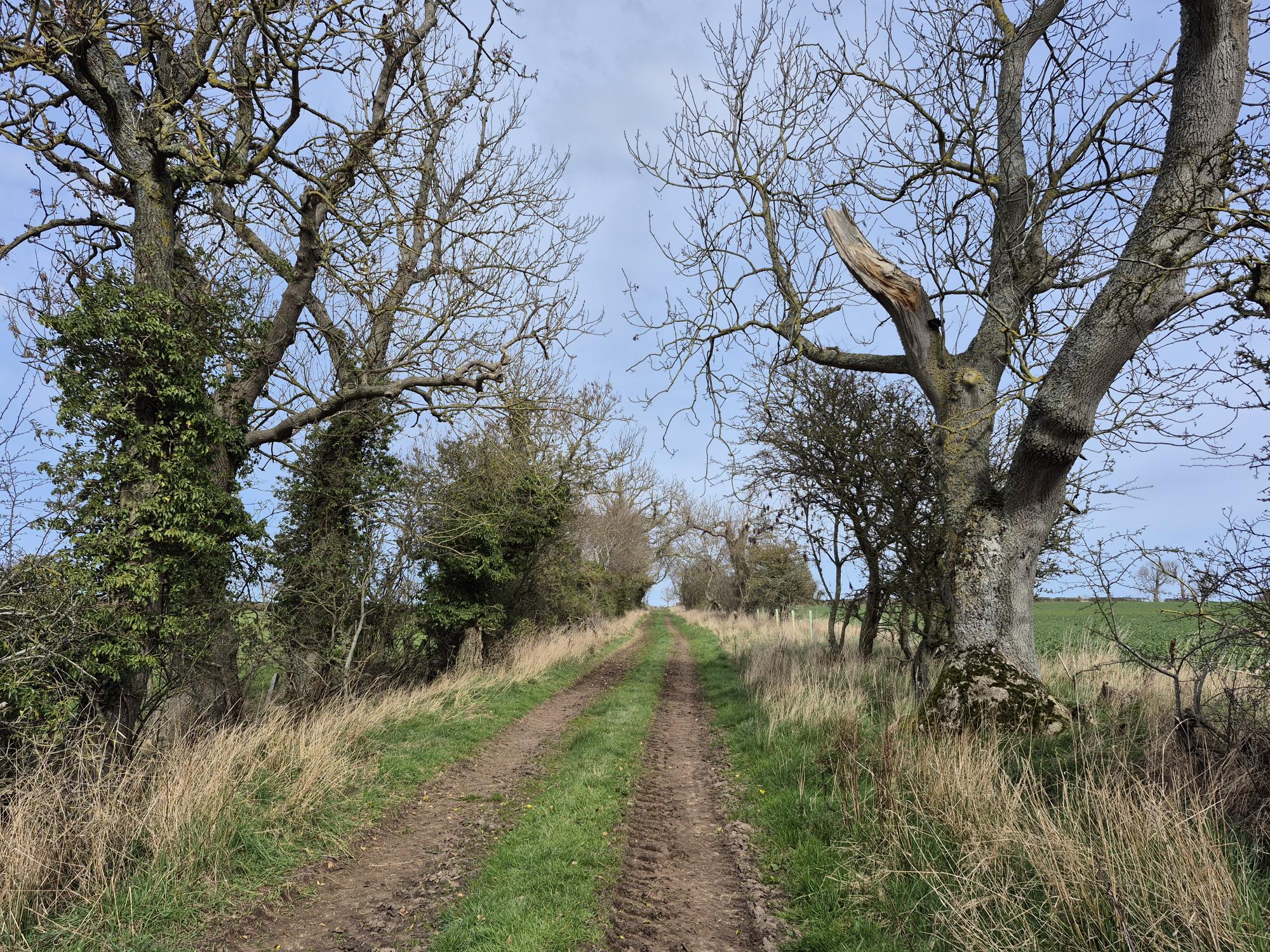
The Designed Landscape project worked to enhance an already significant historic landscape with many mature hedgerow trees of Oak, Beech, Ash and Sycamore. The farm itself straddles the Scotland – England border where a loaning, an ancient sunken road, forms part of the borderline and could be up to 1,000 years old.
Working with the estate, Project Facilitator Derek Robeson looked to replace trees which were gradually lost to storms and build on the work undertaken by the farm manager to plant more landscape trees along water margins, steep pasture fields and hedgerows.
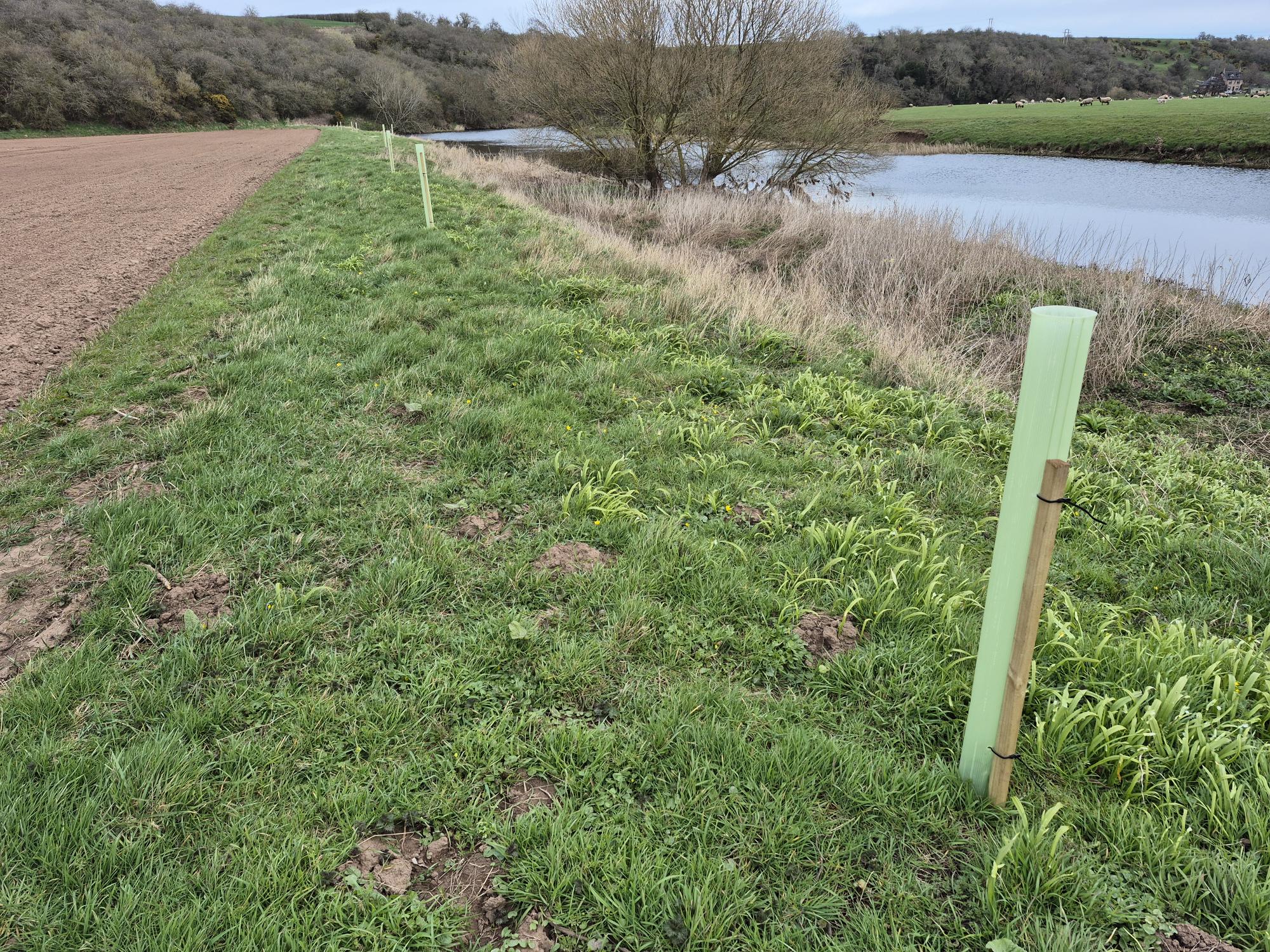
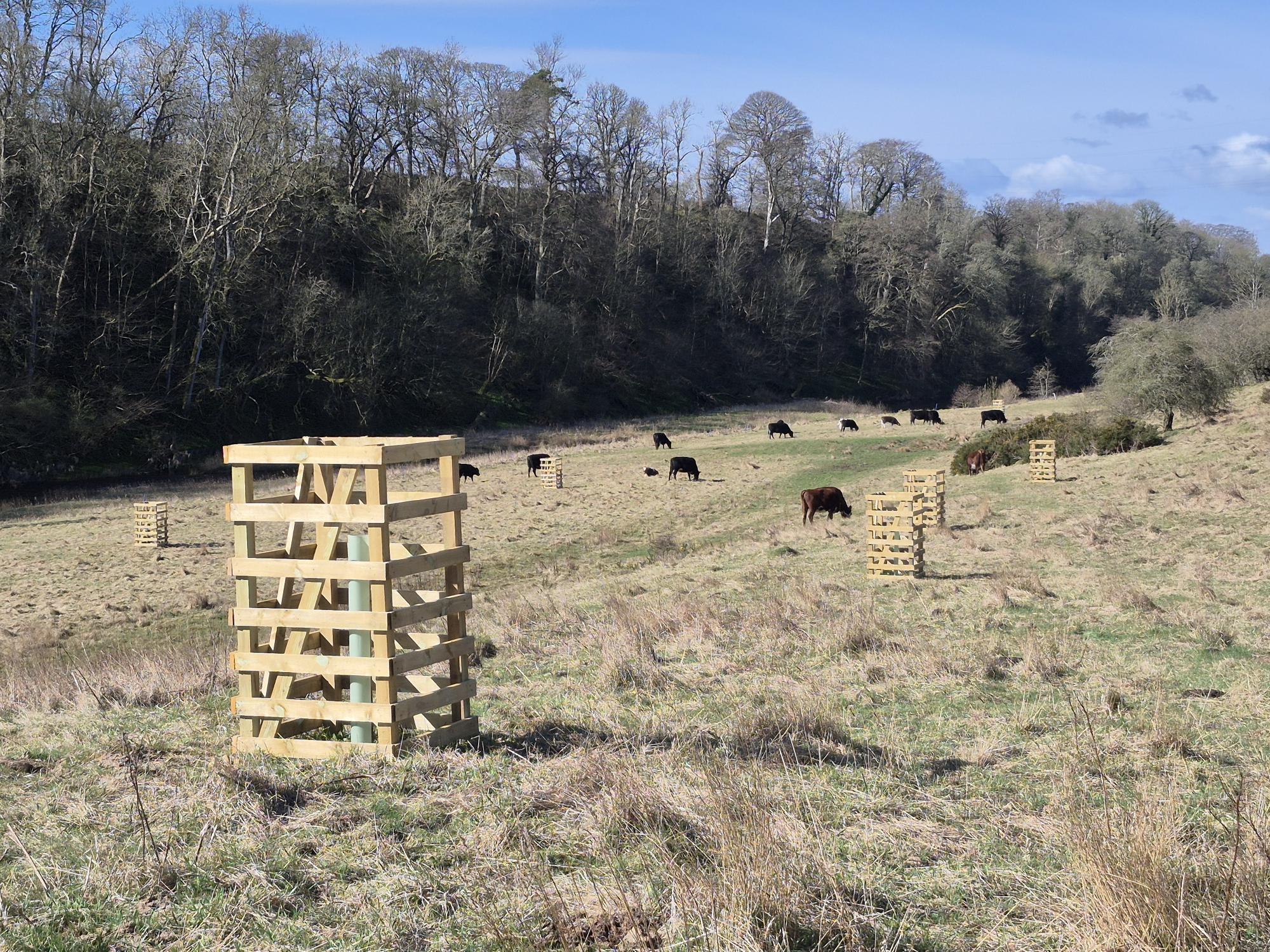
138 trees were planted across 8 sites including species such as Oak, Silver Birch, Rowan, Alder and Willow.
Tree Planting Summary
138 landscape trees in Parkland, along the water’s edge, and along the farm boundary
TOTAL: 138 LANDSCAPE TREES
Long Term Impact & Benefits
The Border Country has many interesting and historic landscapes. At Edrington, the Scotland – England Border runs across the Estate. The boundary includes a section of old sunken road that dates from medieval times. This road is bounded by steep banks, along which ancient Oak trees survive. This tree planting plan has helped facilitate the planting of young Oak trees along the Border to ensure the next generation of Oak trees is in place for when the existing ones go into decline. These ancient trackways are a direct link with the past and people continue to enjoy walking these routes. When walking them, it is interesting the think of the many thousands of people that must have trodden the same path, the lives they led and the purpose of their journey.
The Designed Landscapes project is funded by National Lottery Heritage Fund Scotland, Fallago Environment Fund and private contributions.