Designed Landscapes – Horncliffe House
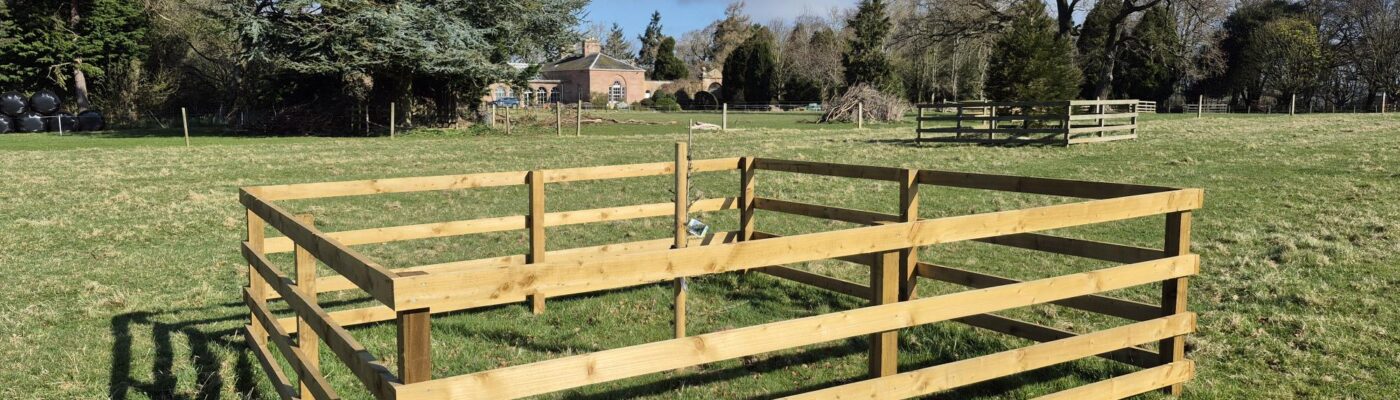

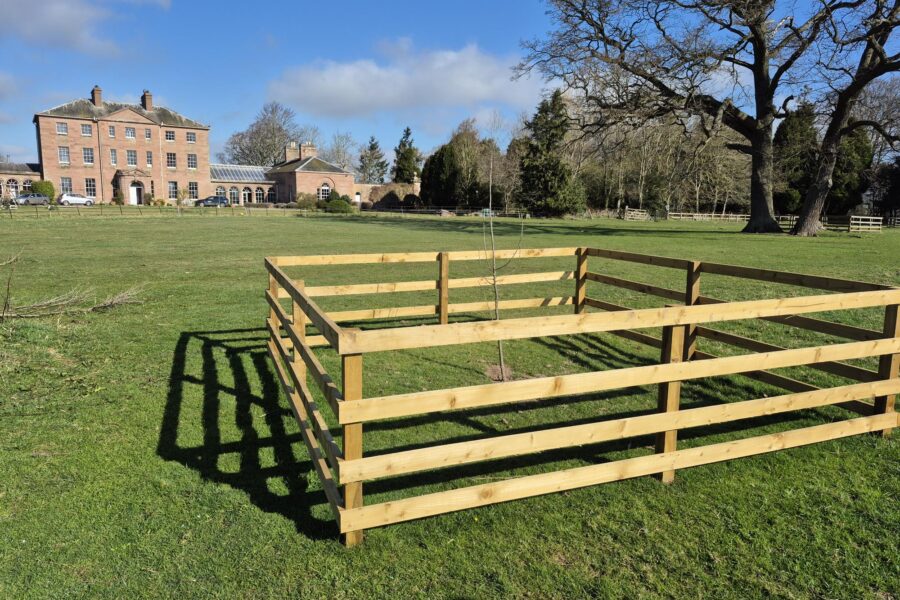
Horncliffe House is a Grade II listed building in a beautiful location near the peaceful village of Horncliffe, Northumberland. It sits on the south bank of the River Tweed just 5 miles from Berwick-Upon-Tweed.
Background
Horncliffe House was built in the 1790’s for William Alder, a local magistrate and spirit merchant who already owned much of the surrounding estate. By the 1830’s, the property, then comprising a substantial mansion with multiple reception rooms, staff quarters, farm buildings, and over 550 acres of land (105 acres of rich pasture and 36 acres of wood), was offered for sale. A corn mill was part of the sale at Horncliffe, a steam threshing machine and shares to a local salmon fishery, were also included.
Architecturally, the house is a refined example of Palladian design, later enhanced in the mid-19th century with additions such as a porch and conservatory. The building features a central three-storey block connected by curved wings to pavilion ends, with elegant classical detailing throughout. Its interior retains notable period features, including an oval staircase, decorative plasterwork, and ornate fireplaces.
Horncliffe House remained a residence of prominence into the late 19th century, including occupation by Sir Hubert Jerningham, and stands as an important example of Georgian country house architecture in the region.
Tree Planting Activity
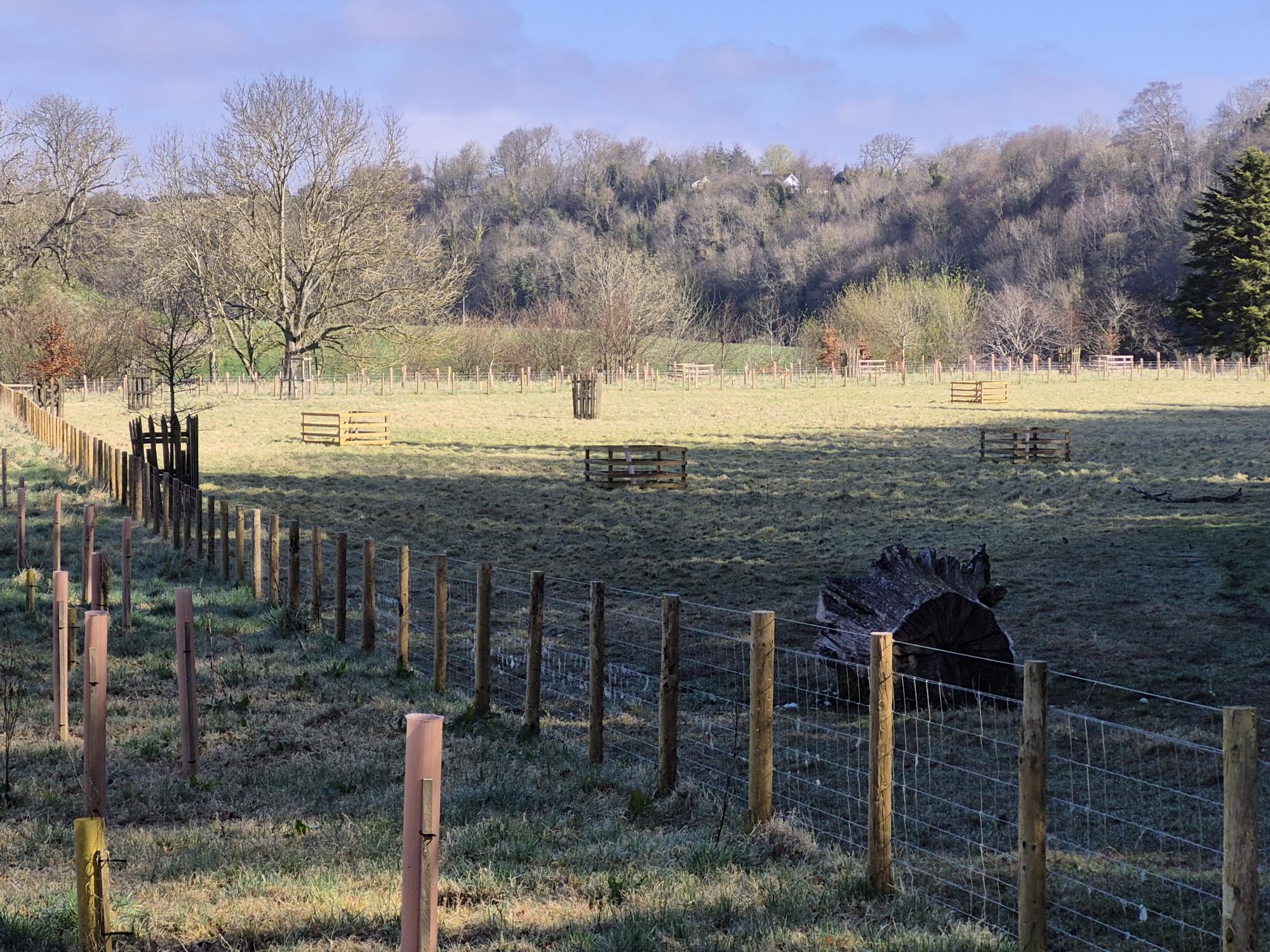
Designed Landscapes Project Facilitator, Derek Robeson, worked with Horncliffe Estate to help map current planting against historic planting and assess where new trees might benefit and enhance the rich parkland around the estate.
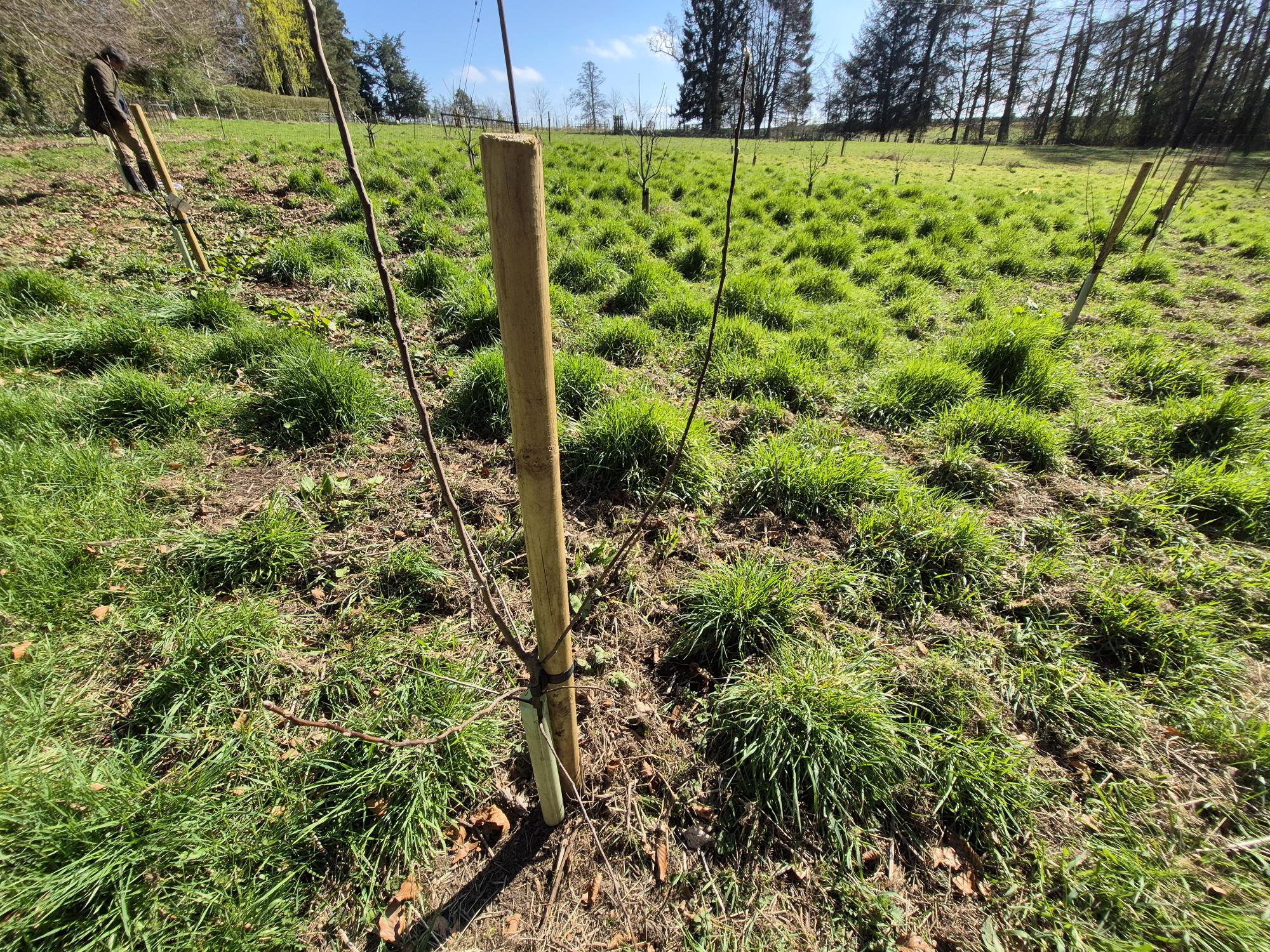
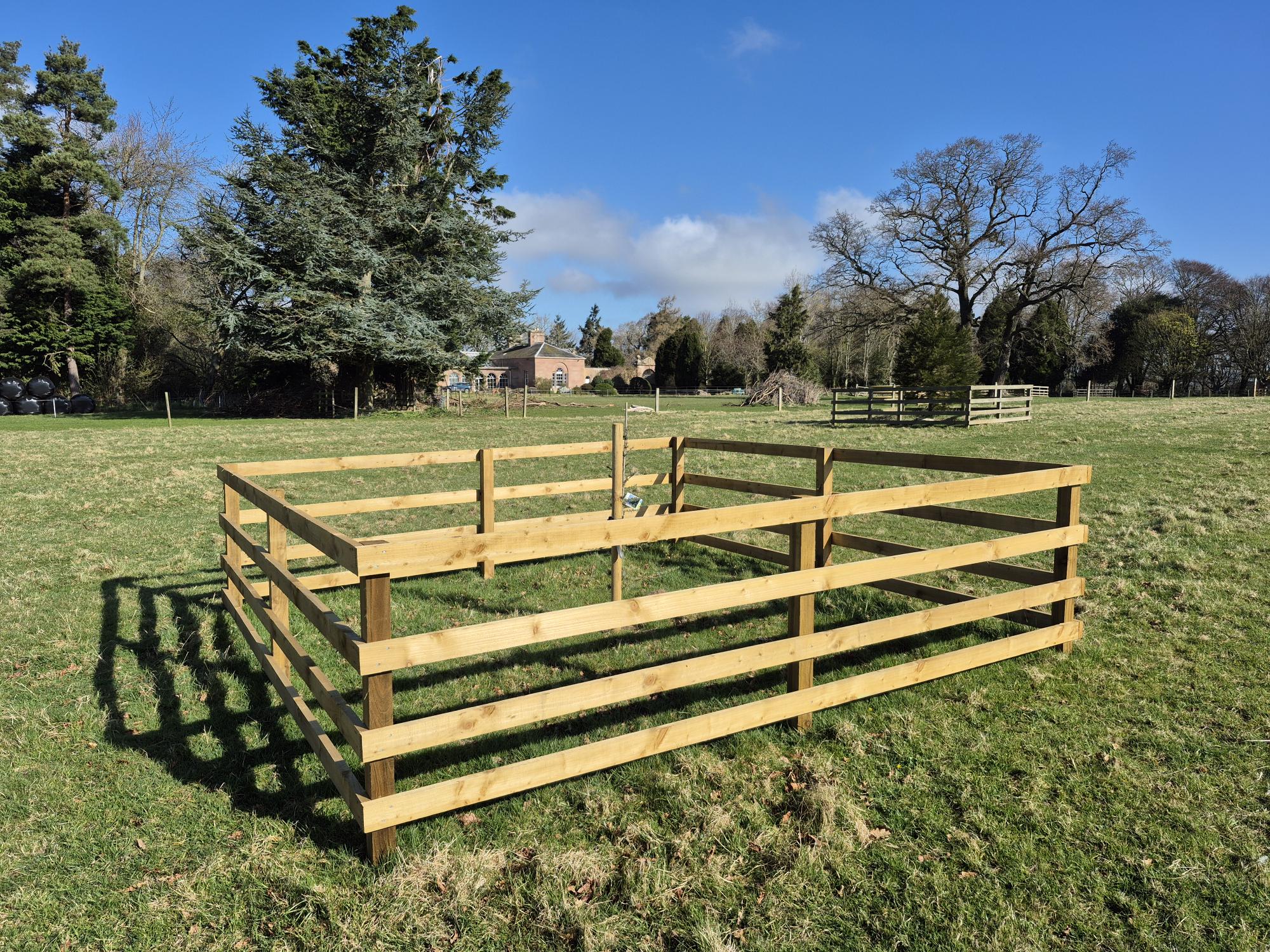
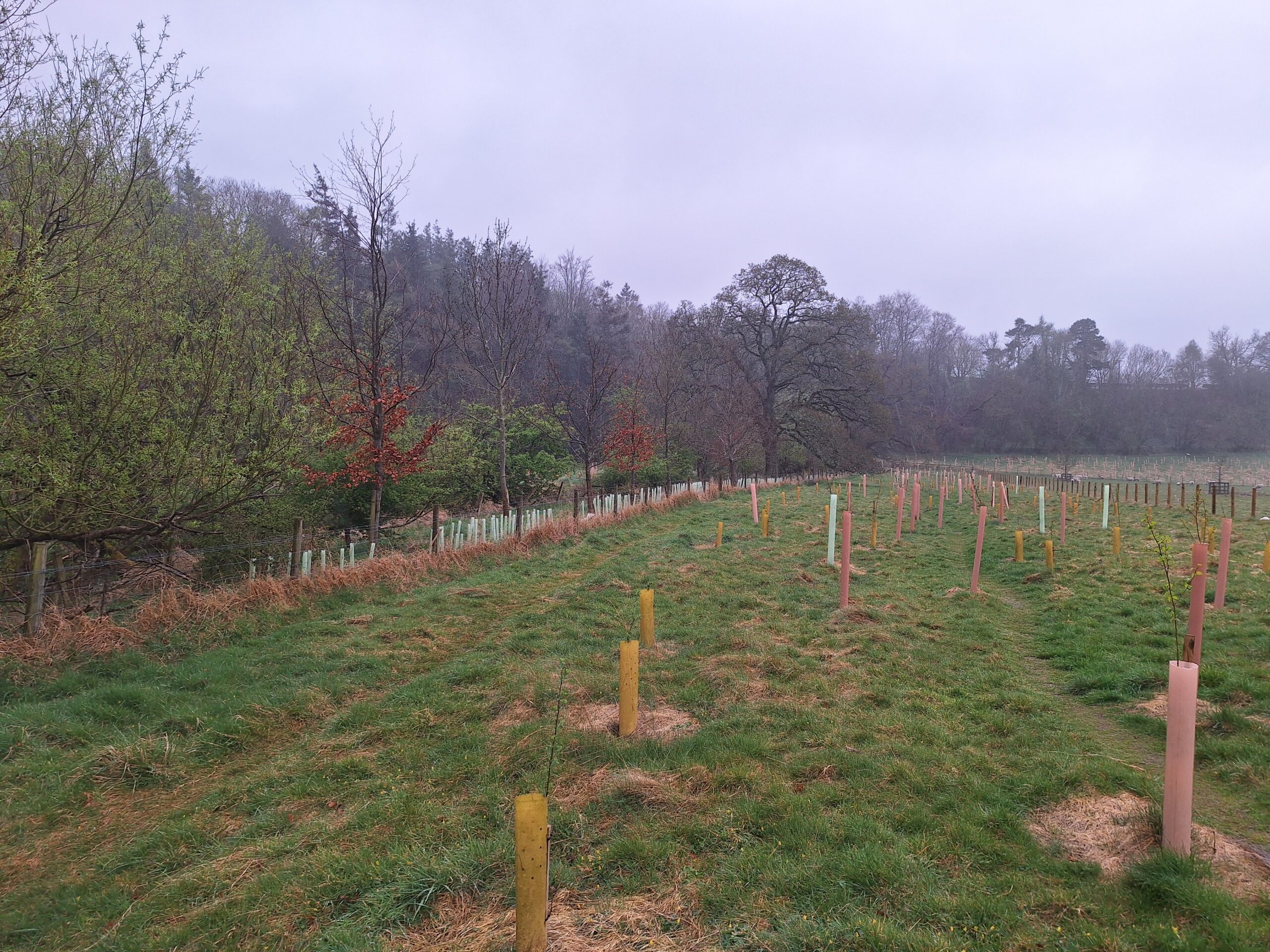
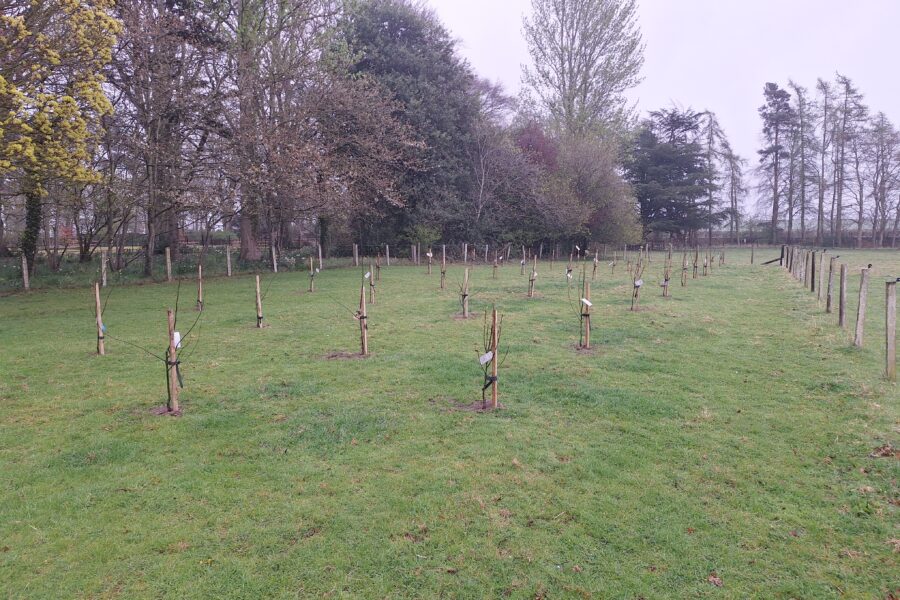
Trees planted included 41 parkland trees in a mix of species such as Beech, Oak, Sycamore and Sweet Chestnut, as well as 46 fruit trees (Apple, Pear, Plum and Quince). Additionally, 600 hedging plants including Hawthorn, Blackthorn, Field maple, Crab apple, Dog Rose and Hazel were planted for necessary hedgerow restoration.
Tree Planting Summary
41 Parkland Trees
46 fruit trees
600m hedge plants
TOTAL: 87 PARKLAND TREES PLANTED AND 600M HEDGE PLANTS
Long Term Impact & Benefits
Parklands give historic landscapes and estates an air of antiquity. Ancient trees provide a tangible link to our history and carry significant cultural and aesthetic worth. The individual landscape trees planted at Horncliffe will help foster that sense of time and place. The restored parkland will link well with newly planted areas of native woodland along the banks of the River Tweed.
The large number of fruit will trees help keep the traditional planting of heritage fruit trees alive. In time, the apples will be collected to be used as a local food source. The wildlife benefits of Orchards are well known. A wide variety of song birds, insects and wildflowers are all closely associated with Orchards.
The Designed Landscapes project is funded by National Lottery Heritage Fund Scotland, Fallago Environment Fund and private contributions.
Back to Designed Landscapes project page