Designed Landscapes – Ladykirk Estate
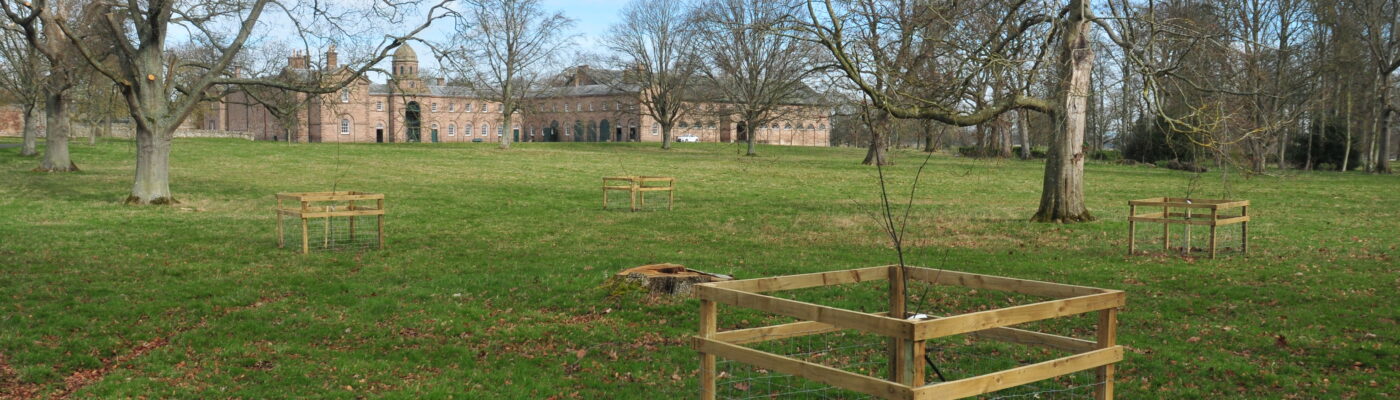

Ladykirk Estate, located about 0.5km north west of Norham on the Scottish side of the lower Tweed, has a rich history dating back to the 16th century with links to royalty, the church and significant historical events.
Background
The estate is named after Ladykirk Church, also known as St Mary’s Church or Kirk of Steill, which was built by King James IV around 1500.
The estate was originally known as Upsettlington but was renamed by King James IV. Ladykirk Church was constructed with stone vaulting to withstand fire The church played a significant role in historical events, including the signing of a peace treaty between Scotland and England in 1560.
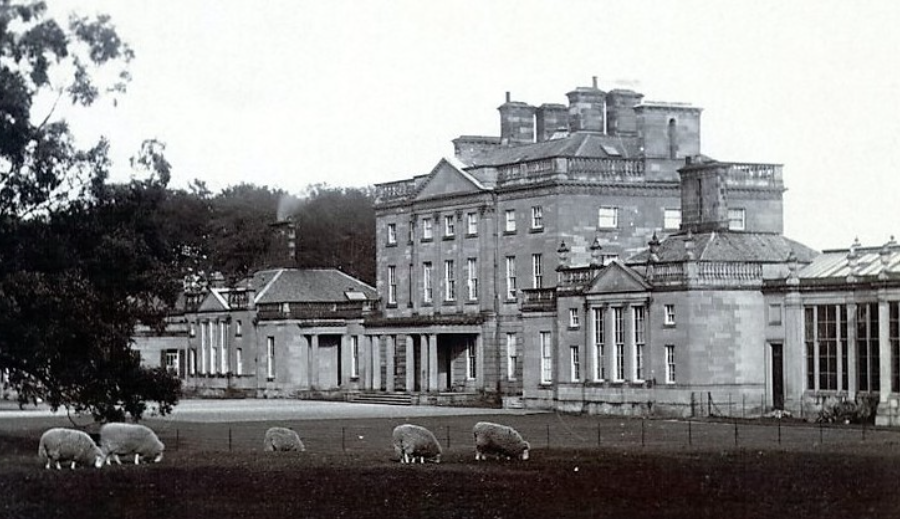
Ladykirk estate was held by the Cockburns of Ladykirk and later passed to the Robertsons. The original mansion on the estate, Ladykirk House, was a substantial classical building dating from the late 18th century It was demolished( after a fire) in 1966.
The Designed Landscape work covered the immediate area around the former mansion house, part of the larger Ladykirk Estate. The land use is predominantly Parkland grassland, arable and a mixed amenity woodlands.
Tree Planting Activity
Within the ‘Borders Designed Landscape Survey of 2009’, by Peter McGowan’, Ladykirk is recorded as being of National and Outstanding significance.
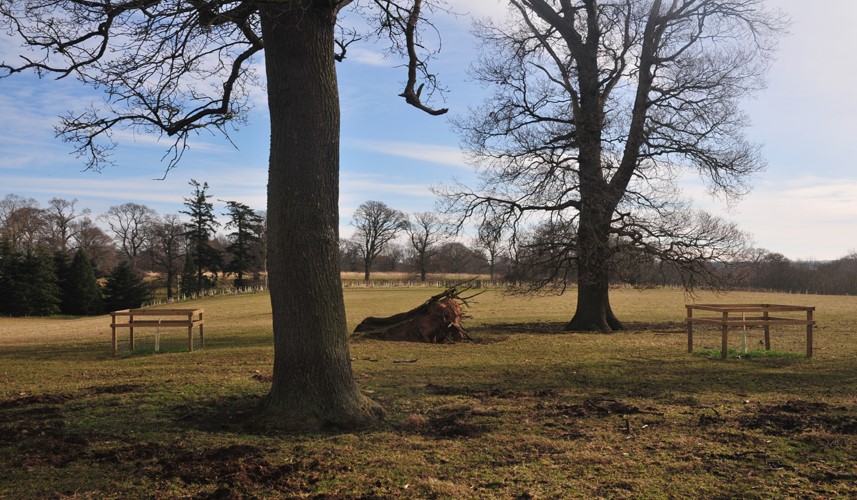
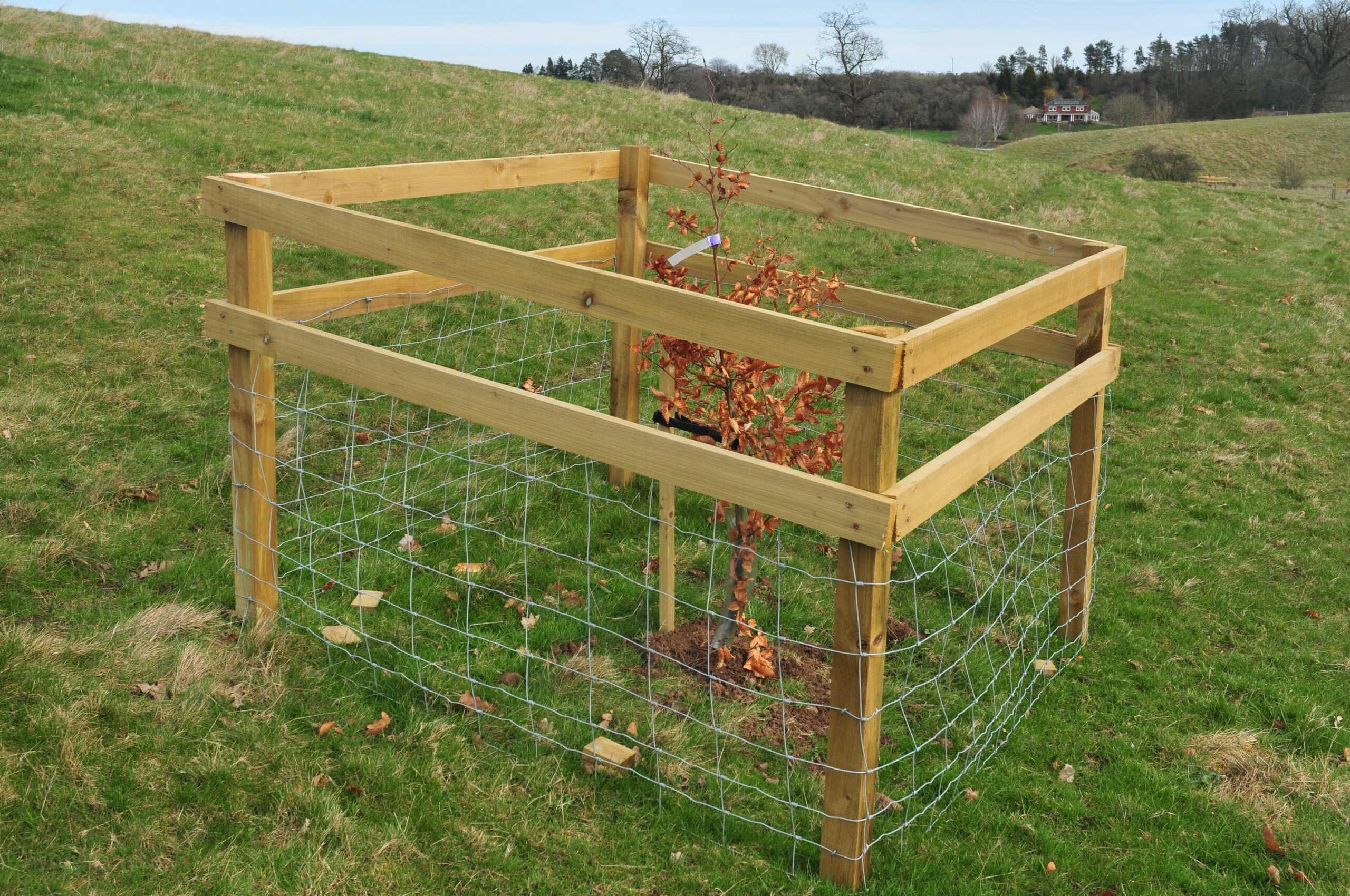
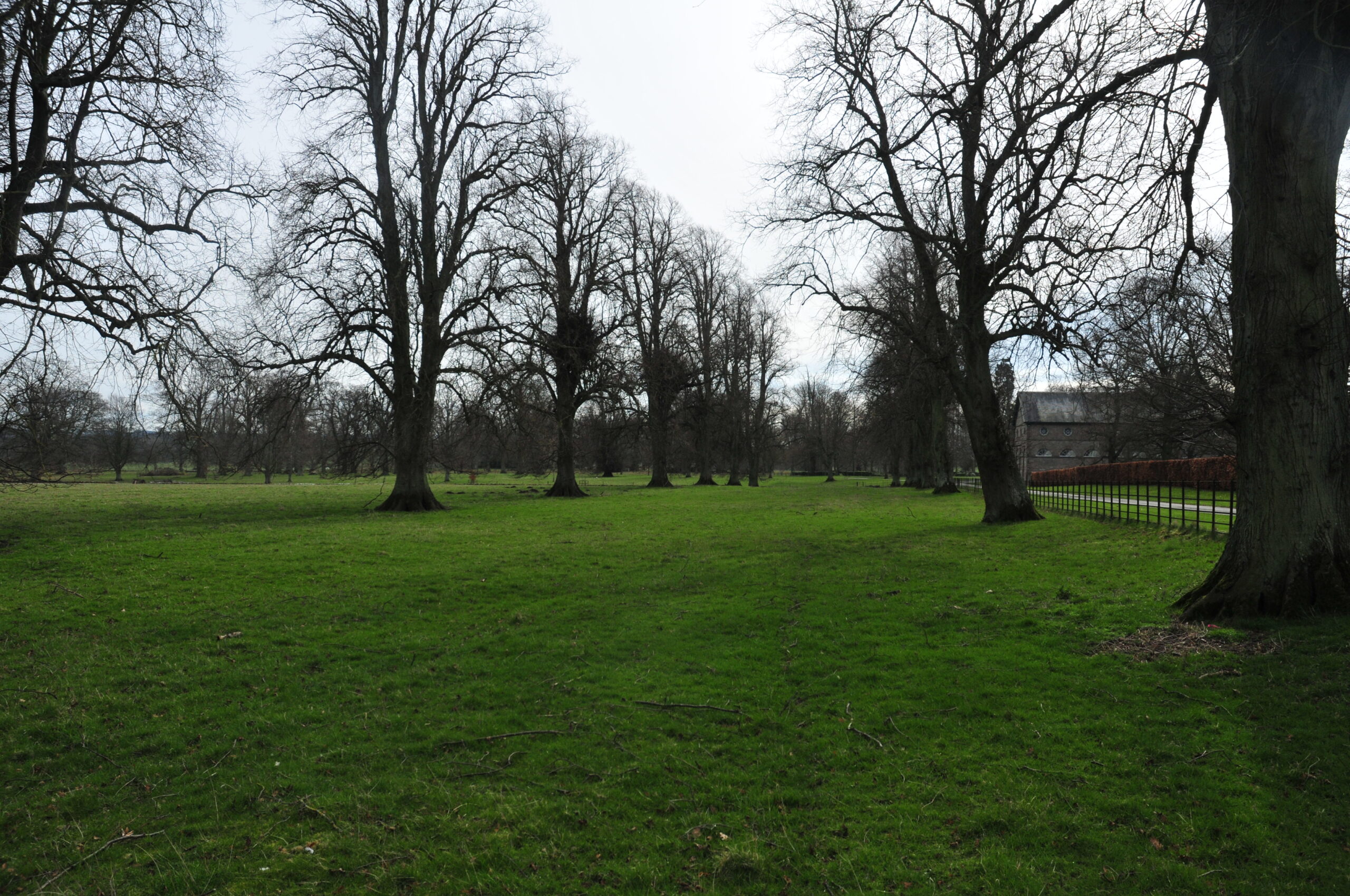
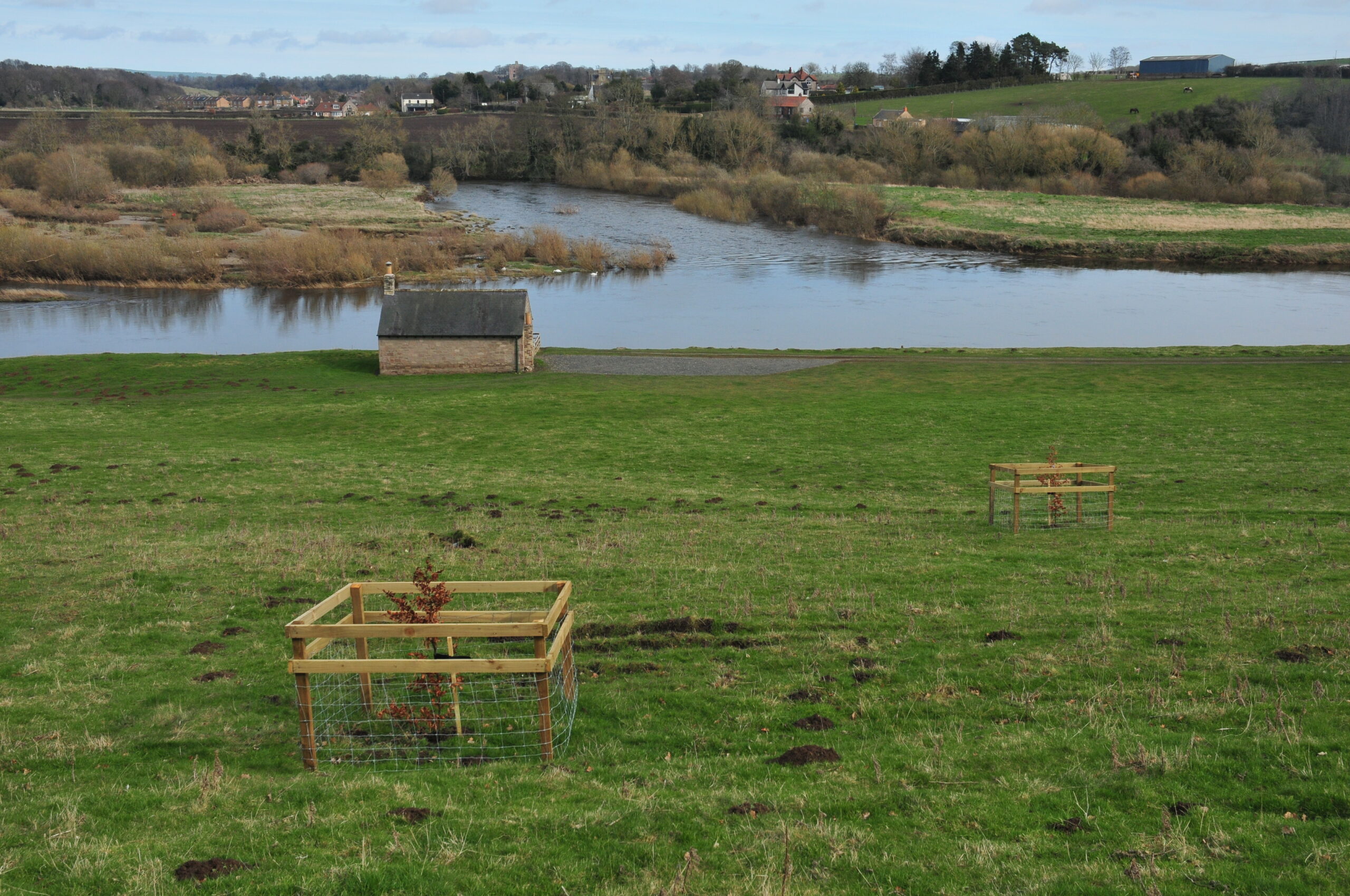
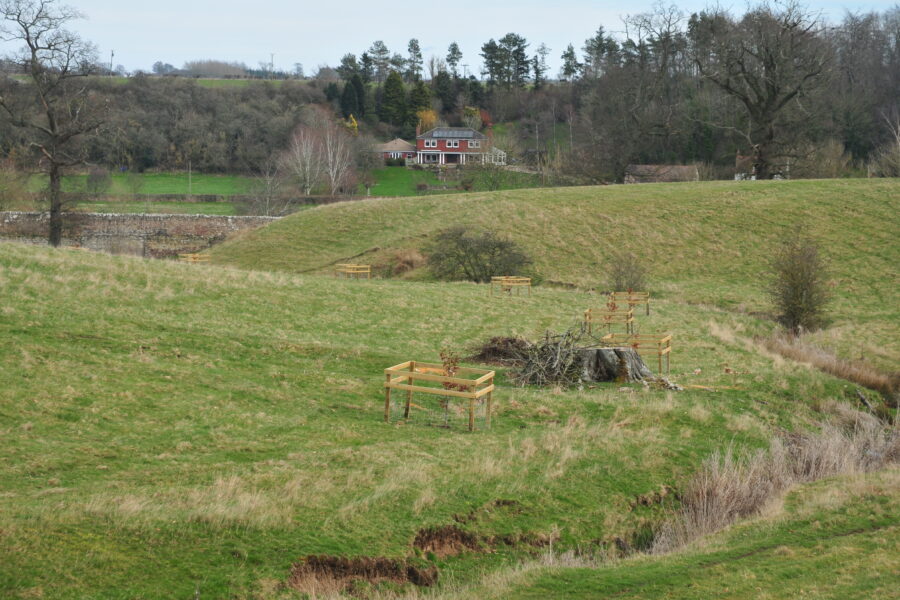
Over recent years, within the Designed Landscape of Ladykirk, there has been excellent work undertaken to enhance the original Designed Landscape Plan, by re-establishing long standing roundels and planting individual parkland trees in boxes.
The Destination Tweed Designed Landscape project helped to plant the next generation of amenity trees to support the restoration of this naturally and culturally important landscape. Project Facilitator, Derek Robeson, worked with Ladykirk Estate to help map and plan the planting of 136 landscape trees with a mix of species including Oak, Beech, Walnut, Chestnut, Holly, Scots Pine and Acer.
Tree Planting Summary
89 Single Parkland / Grouped Roundel Trees planted in wooden tree boxes and shelters or wire cages for protection against livestock and deer.
47 hedgerow / field margin trees
TOTAL: 136 TREES PLANTED
Long Term Impact & Benefits
The parkland at Ladykirk is of outstanding quality. It is unusual to see such a complete and largely intact parkland landscape surviving from the 18th Century. Some of the oldest trees will be approaching 300 years old. Storm Arwen, in November 2021, brought down quite a few of the most mature trees and did significant damage to many others, through lost limbs, etc. The trees planted under this programme will help enhance the parkland, by providing the next generation of trees that will still be around for people to enjoy, over the next 300 years.
The Designed Landscapes project is funded by National Lottery Heritage Fund Scotland, Fallago Environment Fund and private contributions.