Designed Landscapes – Muirhouselaw Farm
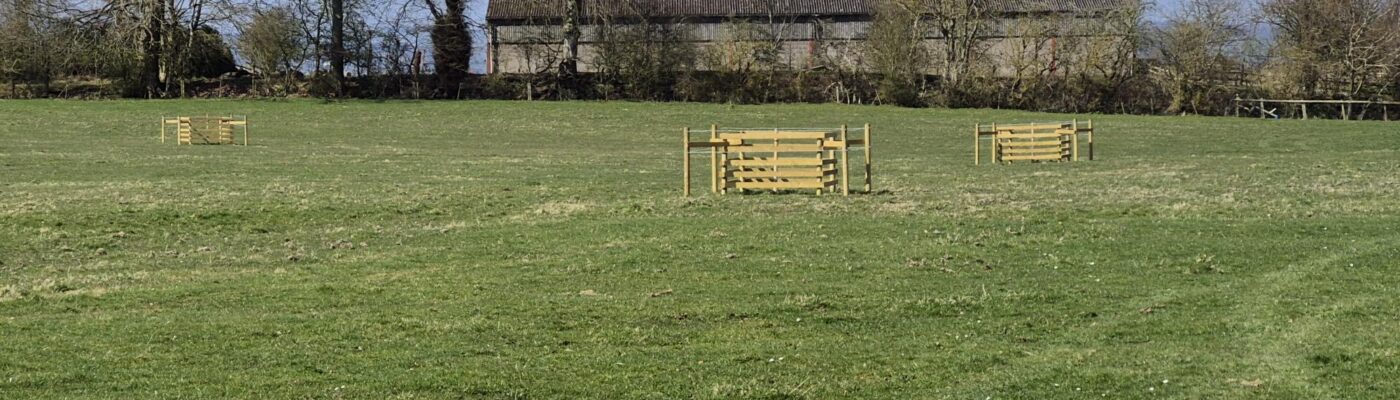

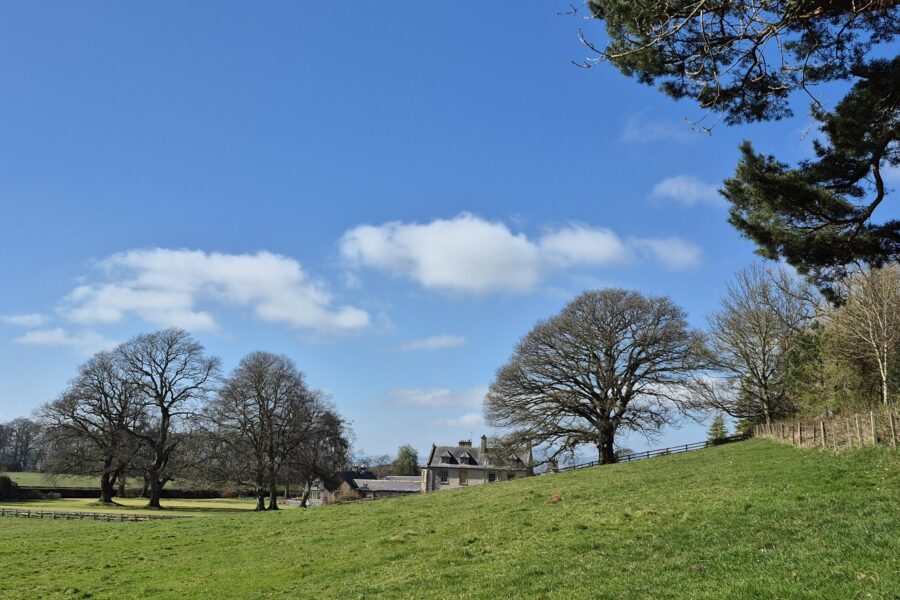
Muirhouselaw Farmhouse and Parkland with its backdrop of the Eildon Hills, speaks to the Tweed’s long agricultural history, with possible medieval roots.
Background
Muirhouselaw Farm occupies a site of considerable historical interest within the Tweed valley landscape. Archaeological evidence suggests it may have originated as a medieval manorial residence, with Cruft (2006) identifying two ditched enclosures and the possible remains of a fish pond, indicating an early high-status site.
Historic mapping documents its continued significance over time. Blaeu records “Murrislaw” as a house of some stature, though without surrounding planting, while Roy’s mid-18th century map names “Morasshaugh” in a similarly unenclosed setting. By the early 19th century, Thomson (1822) notes the site with emerging tree planting, suggesting a shift towards a more designed landscape.
This development is further evident in Crawford & Brook (1843), which depicts the house set within a small parkland setting, with tree planting, formal policies to the north-east, and distinctive roundels to the south and west.
The estate contains a number of historic buildings, including a farm steading dated 1889, stables and estate houses built in distinctive pink-red sandstone. To the north, rows of cottages in whinstone with red sandstone detailing are complemented by a simple white lodge to the south.
The farmstead developed as a working agricultural unit, supporting mixed farming, with arable fields and pastureland, shaped by the surrounding topography. It represents layers of change from a medieval centre of status, to a working agricultural landscape, retaining its connection to the historic patterns of settlement, land use and estate development in the Scottish Borders.
Tree Planting Activity
Muirhouselaw Farm is a very well-maintained and historically rich designed landscape. The landscape is characterised by belts of trees, such as: Scots pine, Beech, Lim, and Sycamore, some of which are linked by walking routes. Roads are bordered by beech and hawthorn hedges with mature roadside trees. On the west side of the road, a large area of parkland opens out, offering views towards the Eildon Hills and a tree-lined avenue, mainly of Oak and Lime, leads through the park towards the house.
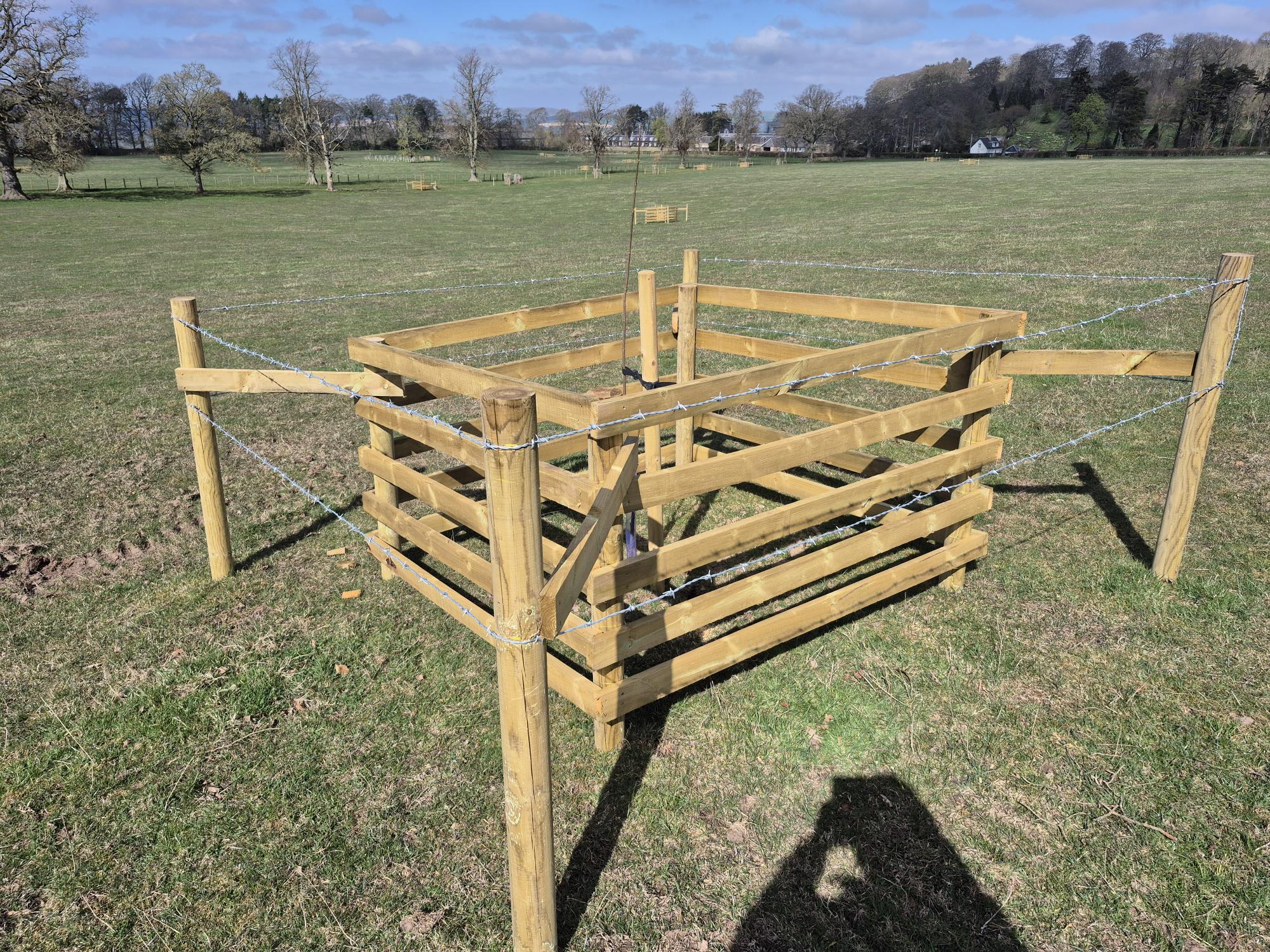
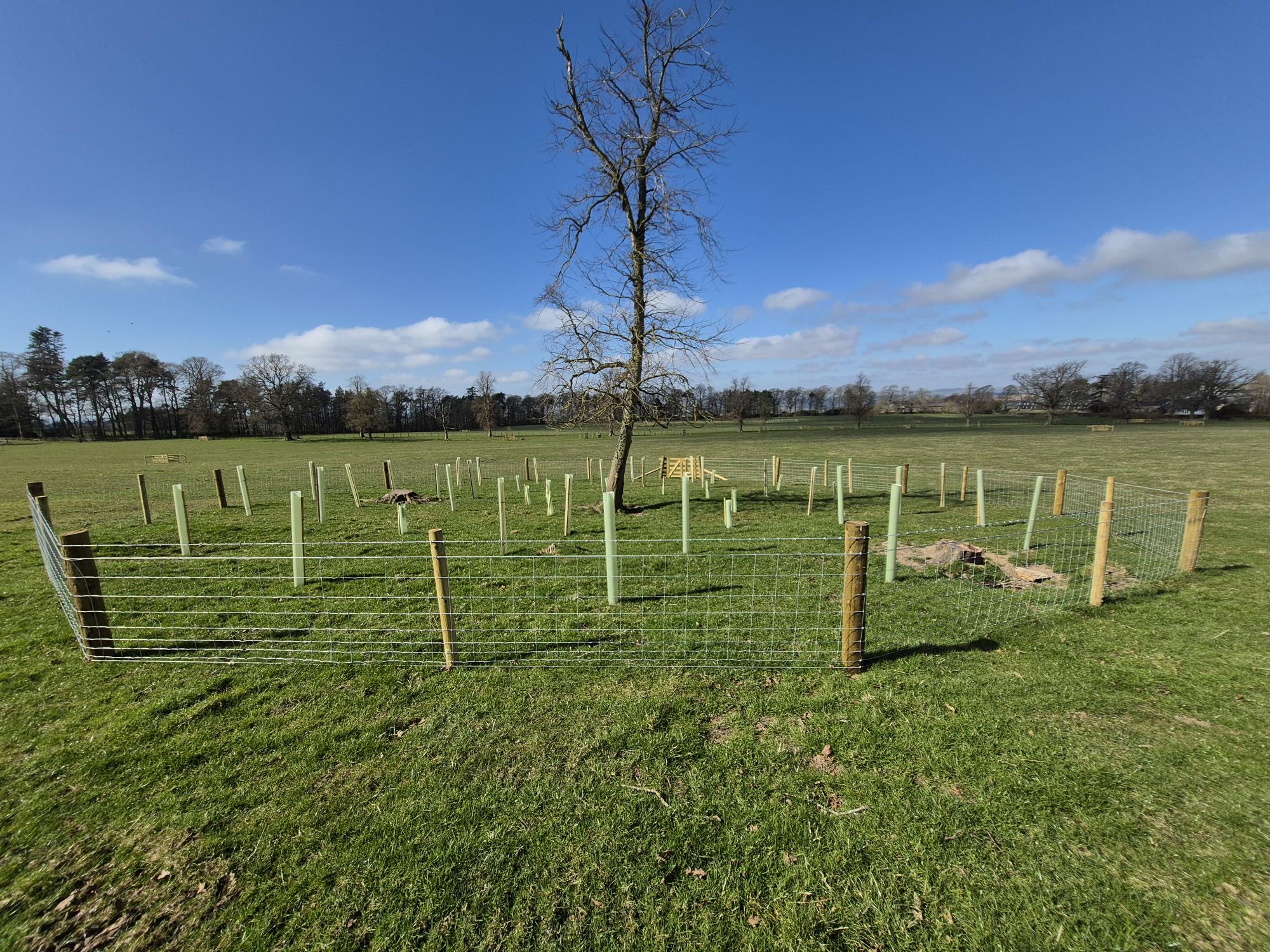
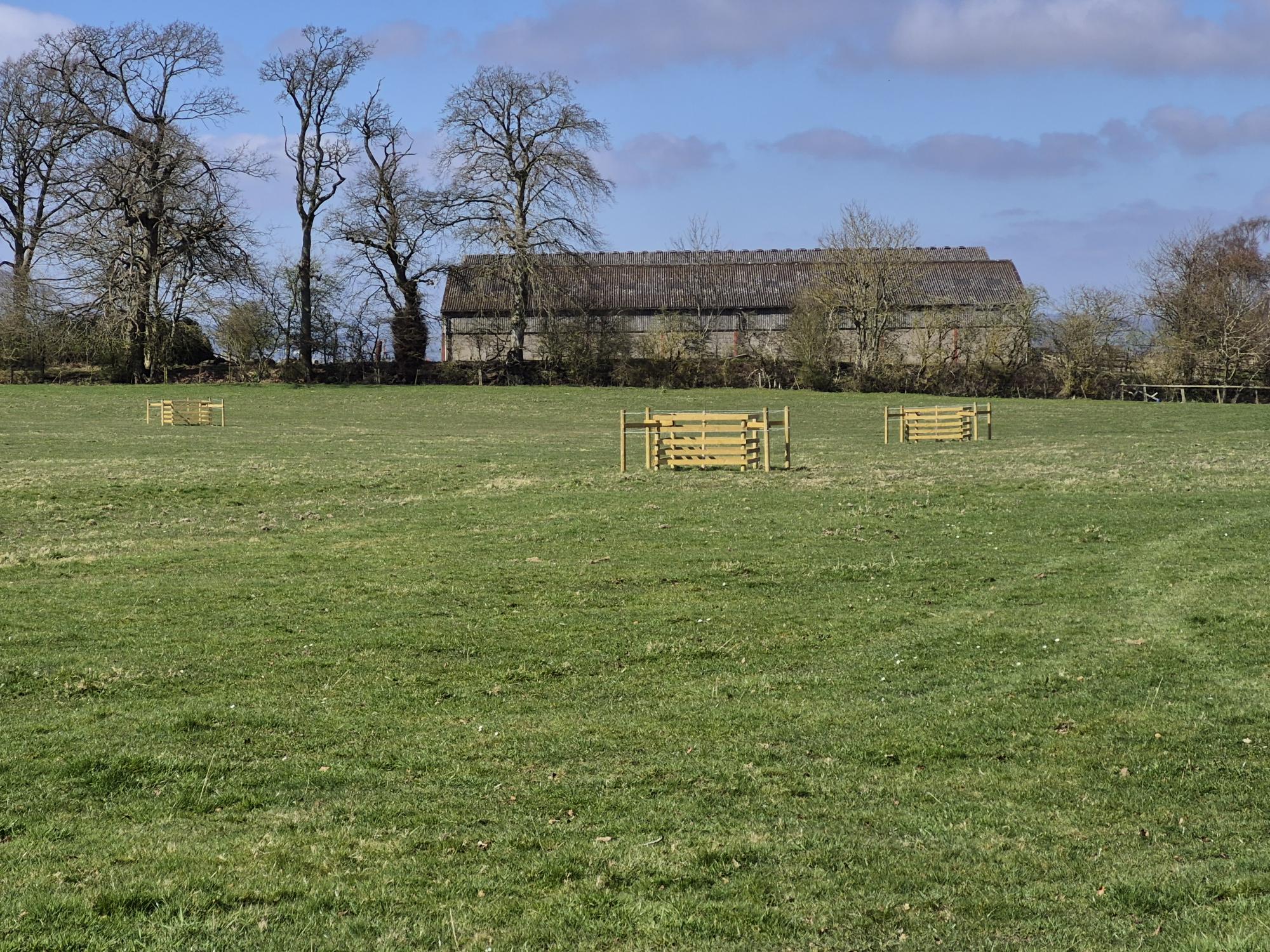
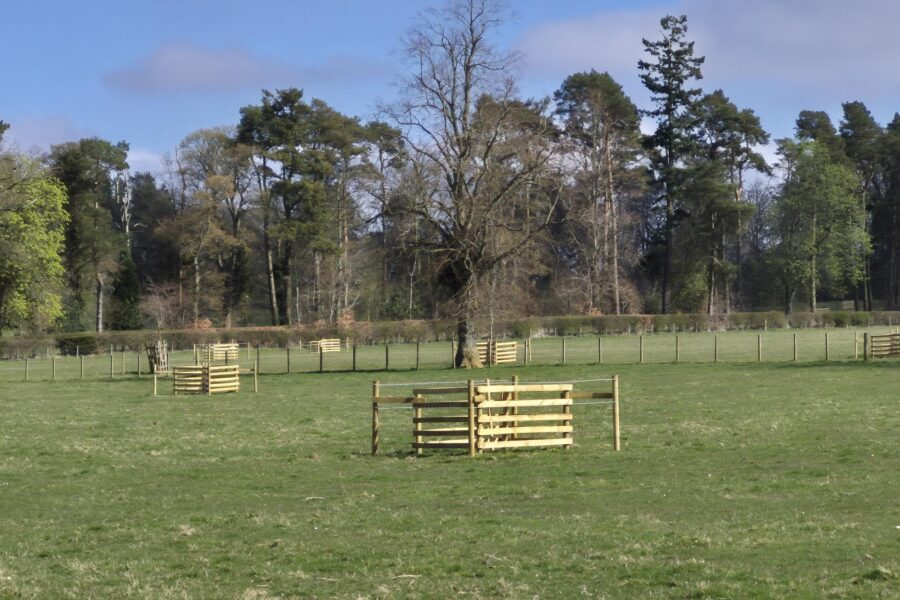
Working with Muirhouselaw Farm, Project Facilitator Derek Robeson, developed plans for planting 524 landscape trees. This included a restock of 300 trees in an old windblown and narrow wooded strip, 200 trees which reinstated historic roundels of Scots Pine and Green Beech, and 24 new parkland trees. Tree species included Oak, Sycamore, and Chestnut.
Tree Planting Summary
24 new Parkland Trees
200 trees in roundels
300 trees to reinforce narrow wooded strip
TOTAL: 524 LANDSCAPE TREES PLANTED
Long Term Impact & Benefits
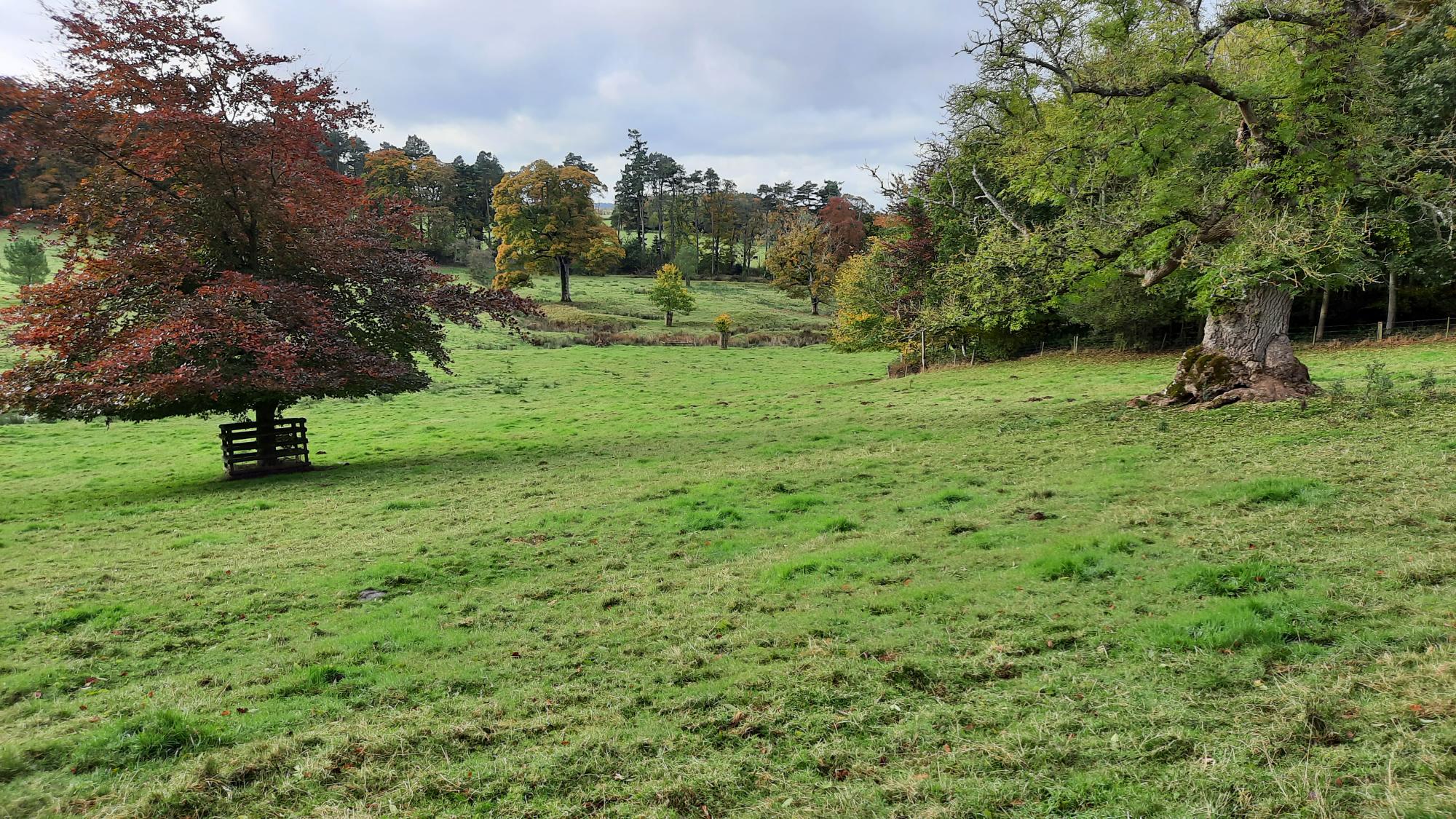
In 18th Century England, Garden designers such as Lancelot ‘Capability’ Brown and Humphrey Repton used sweeping vistas, tree lined avenues, roundels and belts of trees to frame views and complement country houses. Similar designers were also active in Scotland at the same time. Ancient and veteran trees serve as living relics and some oak trees for example can pre date the very Farm House or Estates they inhabit today, anchoring the landscape design. Specimen trees, avenues and carefully placed clumps, were designed to draw the eye, screen out any unsightly buildings and balance the scale of the architecture.
At Muirhouselaw, everything is in harmony and proportion. The trees complement the built architecture in a very sympathetic way. A public road dissects the estate, allowing travellers to appreciate the parkland setting and the River Tweed Trail lies a short distance to the north.
The Designed Landscapes project is funded by National Lottery Heritage Fund Scotland, Fallago Environment Fund and private contributions.
Back to Designed Landscapes project page