Designed Landscapes – Old Melrose
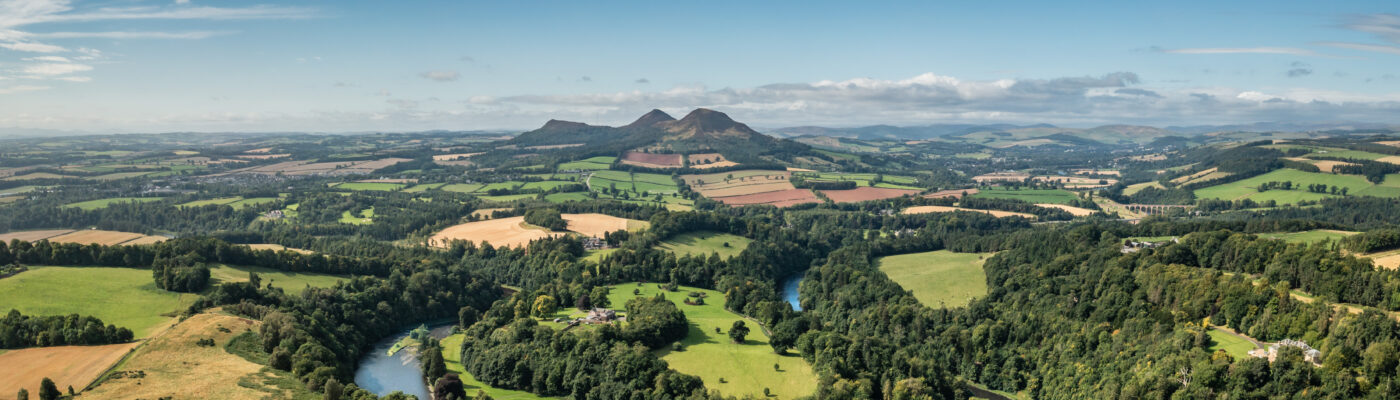

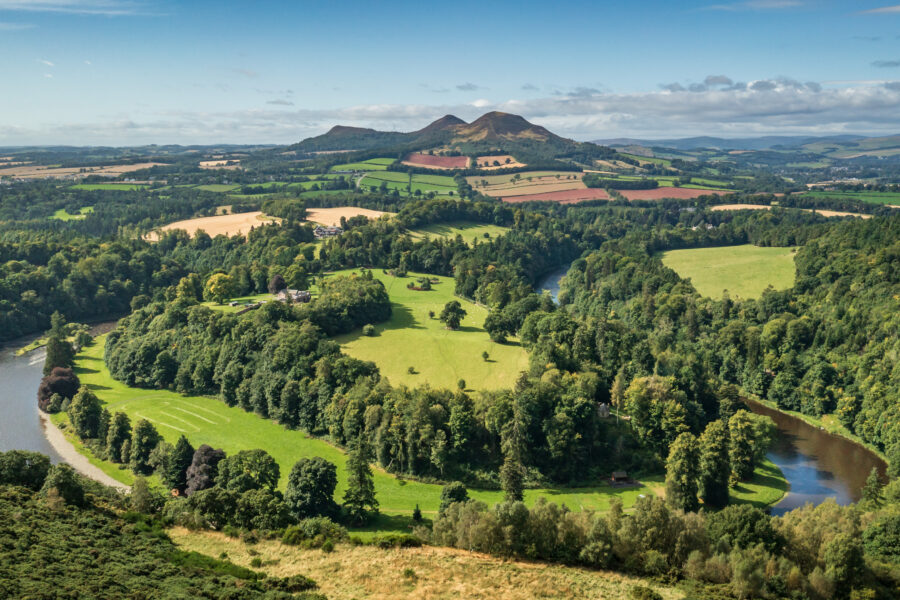
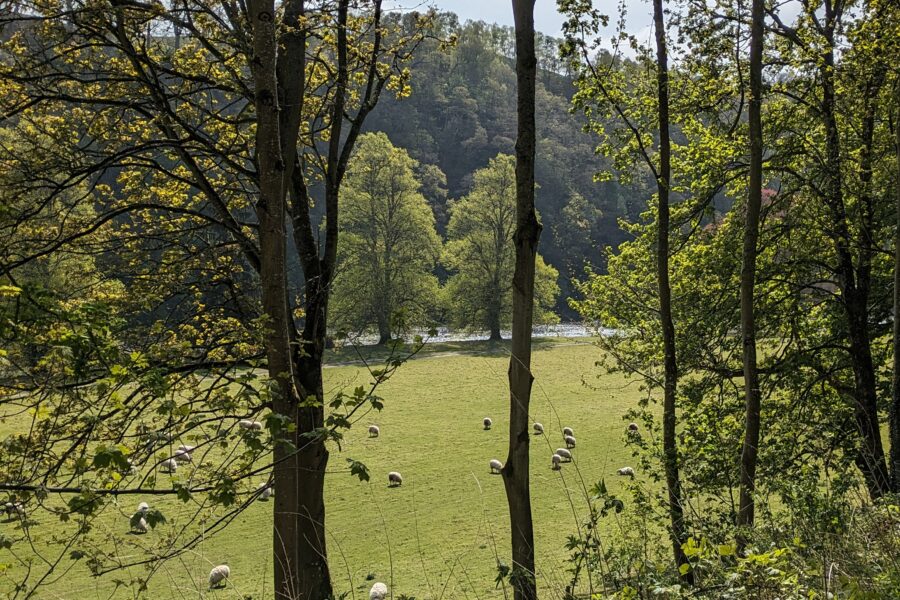
The Old Melrose Estate blends historical depth with ecological richness, having been admired by Bronze Age Settlers to modern day pilgrims. It is the landscape that forms the dramatic foreground to the view from Scott’s View.
Background
The Old Melrose estate sits on a peninsula of land formed by a bend in the River Tweed and has been continuously occupied for over 3,000 years, beginning with Bronze Age settlements. During Roman times, the nearby Trimontium fort below the Eildon Hills and the Roman Road called Dere Street, brought people and trade to the area.
In 640 AD, St Aidan of Lindisfarne, founded a monastery at Old Melrose, marking it as one of the earliest Christian sites in Scotland. It became the spiritual home of St Cuthbert, who began his monastic life there in 651 and later became Bishop of Lindisfarne. Old Melrose continues to be a place of historical and spiritual significance, with modern pilgrims walking St Cuthbert’s Way.
The Estate lies within the heart of the Eildon Hills National Scenic Area and extends to approximately 100ha. It comprises: arable, grassland and amenity (largely broadleaved) woodland in equal amounts and two large scheduled sites – Old Melrose and Trimontium.
By the 1820’s a mansion house was built and the land was developed into a country estate with distinct areas of woodland planting as shown on the 1854 OS map. It is this mix of amenity woodland, parkland grassland, arable crops and river views, that gives the estate its outstanding landscape quality.
Tree Planting Activity
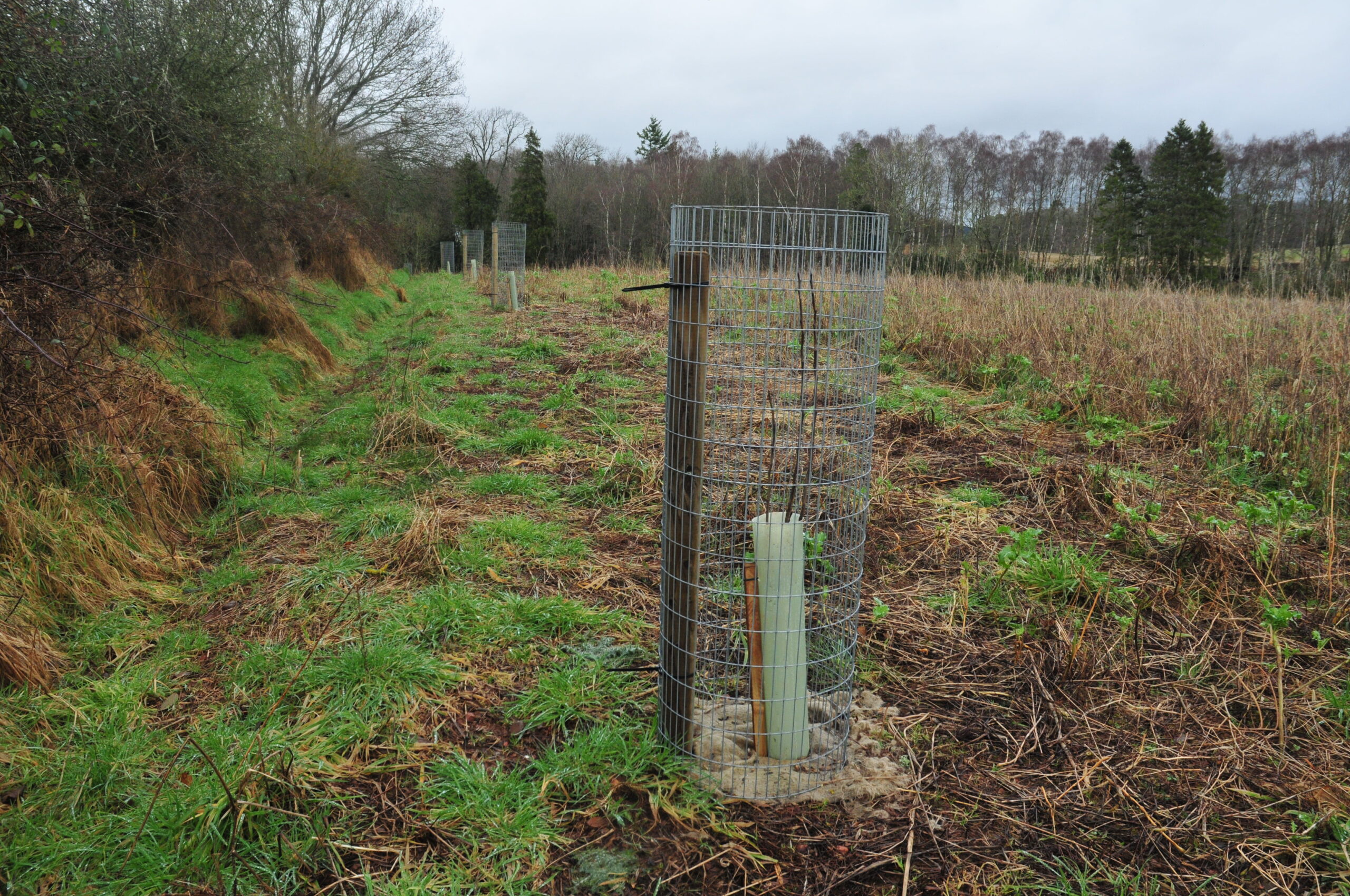
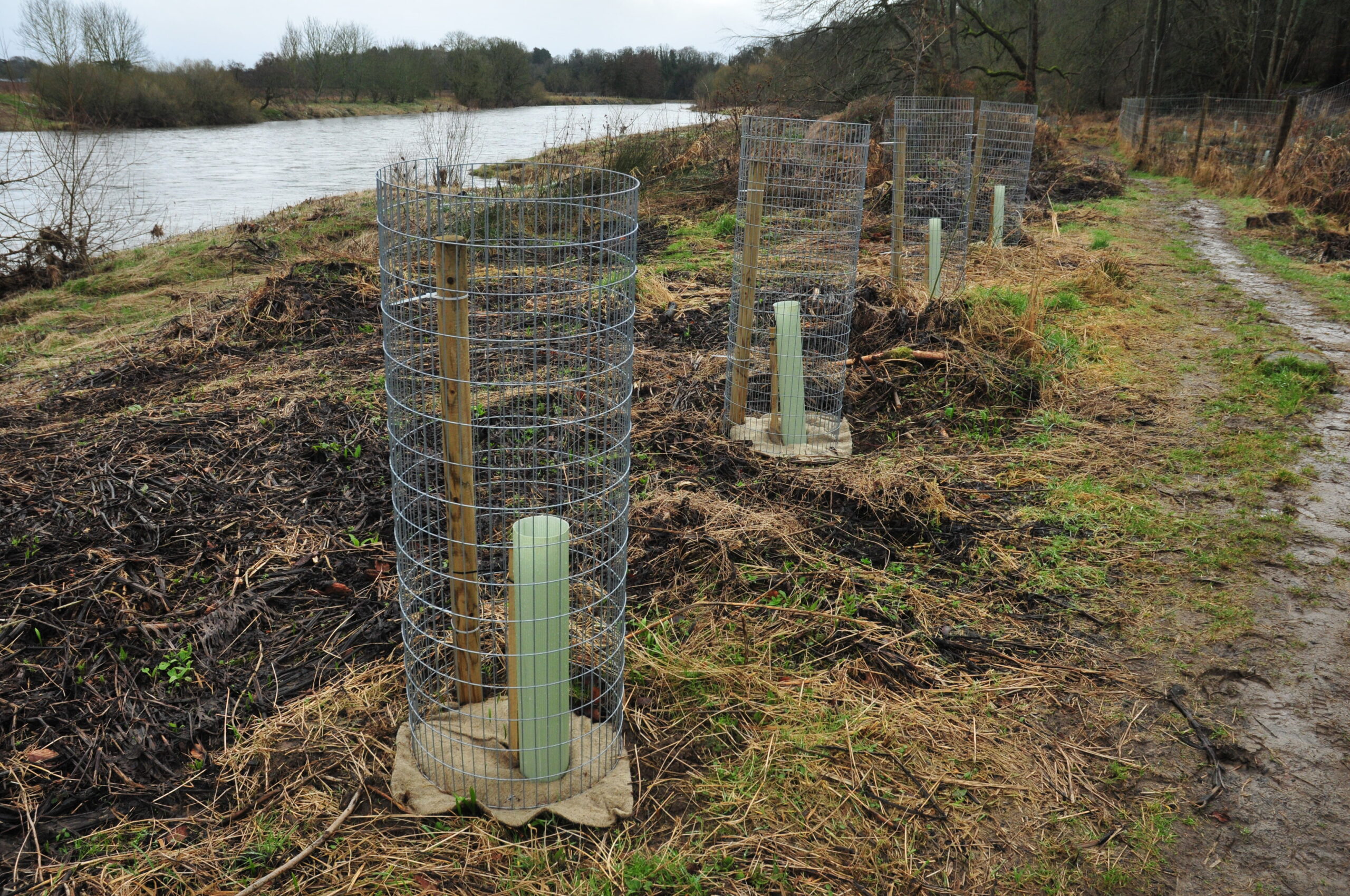
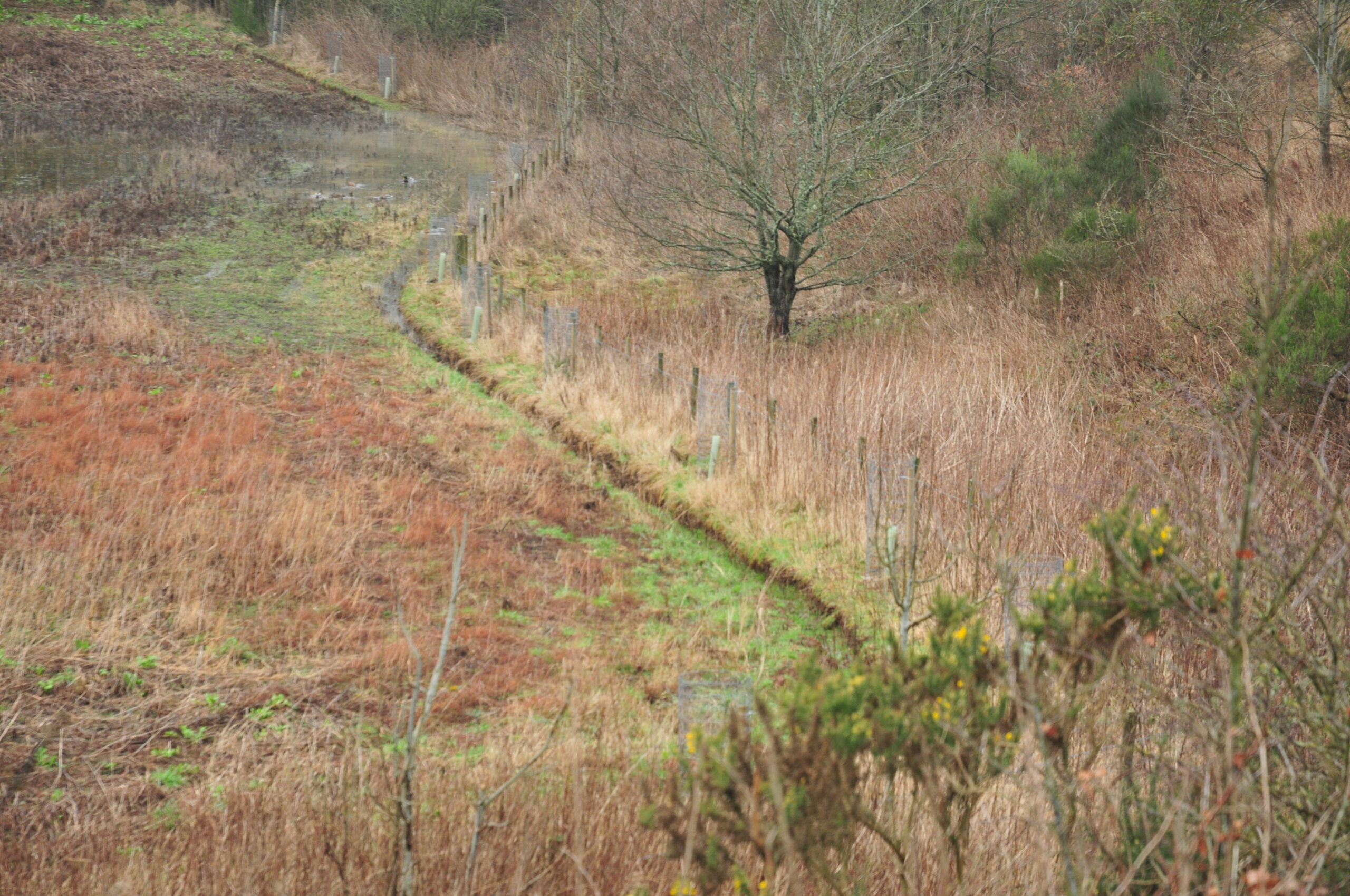
At Old Melrose, project facilitator Derek Robeson has been working with the landowner to explore, map out and plan tree planting programmes, with a real focus on biodiversity enhancement. Locations identified for inclusion were woodland edges, field edges, roundels in grass parks and other prominent positions along footpaths and trails.
This project included planting a large number of Scottish heritage apple trees, providing fruit to help increase biodiversity and insect life, whilst also maintaining a historic link to monastic life at Old Melrose Monastery and Melrose Abbey nearby.
No trees were planted on Scheduled Monuments or within the River Tweed SSSI or SAC boundary.
250 trees were planted in total comprising: 65 apple trees, 25 Red Maple, 20 Silver birch, 20 Aspen, 40 Oak, 25 Rowan, 20 Lime, 1 Sweet chestnut, 6 Scots pine, 12 Douglas fir, 6 Weeping Willow and 10 Yew.
Tree Planting Summary
65 Fruit trees form a linear orchard around the estate
185 trees were planted along woodland edges and along field margins and track sides
TOTAL: 250 TREES PLANTED
Long Term Impact & Benefits
Old Melrose lies in a very dramatic landscape. It is a place to which people have been attracted for thousands of years. The monastic connection and the link to pilgrimage has not been missed by the current owners. The family have been keen to promote and enhance this link, especially through the planting of the fruit trees. Orchards were a big part of monastic life in the medieval times. There are over 100 varieties of Scottish heritage apples known. Many have been planted here. The landscape trees that have been planted around the parkland, the woodland edges and field edges, will greatly enhance the visitor experience.
Environmental education is encouraged at Old Melrose, with many school groups (both Primary & Secondary) using the Estate during the year. Advanced Higher Biology and Geography pupils study the various habitats, as part of their outdoor learning experiences.
The Designed Landscapes project is funded by National Lottery Heritage Fund Scotland, Fallago Environment Fund and private contributions.