Designed Landscapes – Paxton House
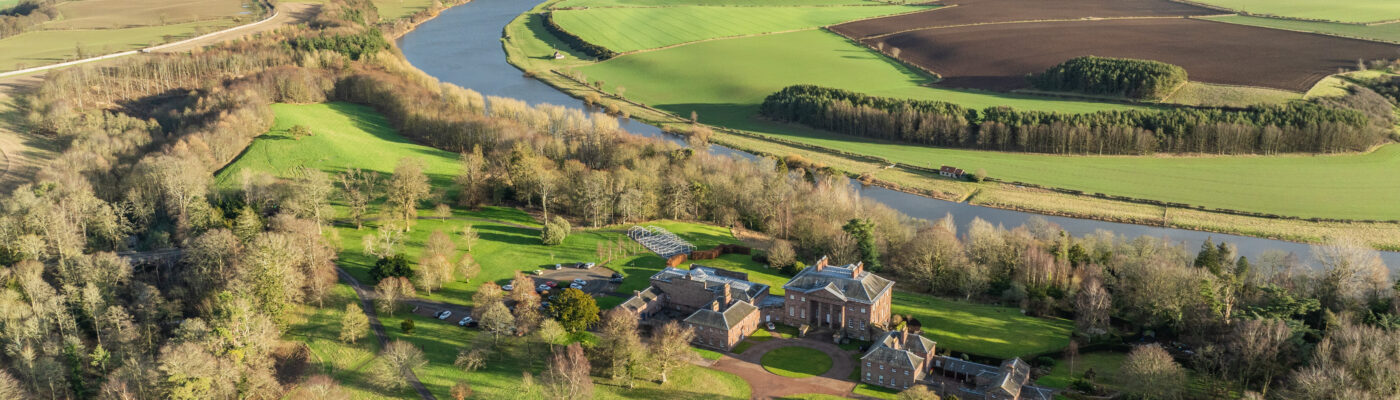

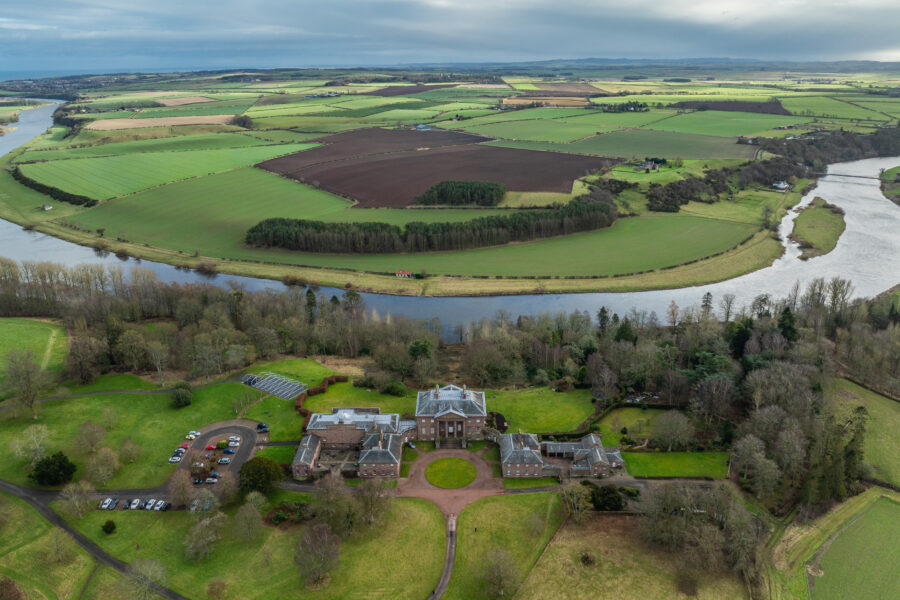
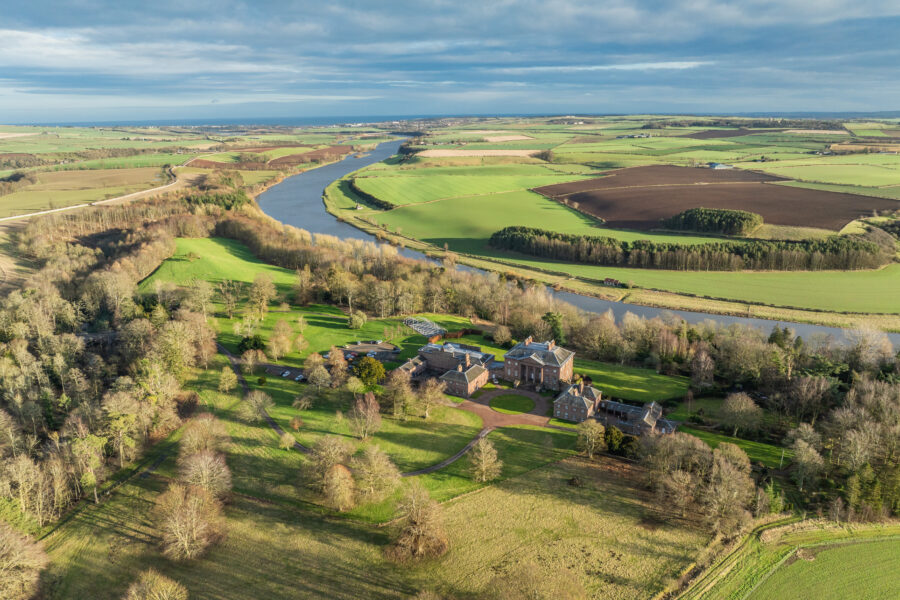
Paxton House, situated on the banks of the River Tweed near Berwick-upon-Tweed, is an impressive testament to the architectural and landscaping ambition of the 18th Century.
Background
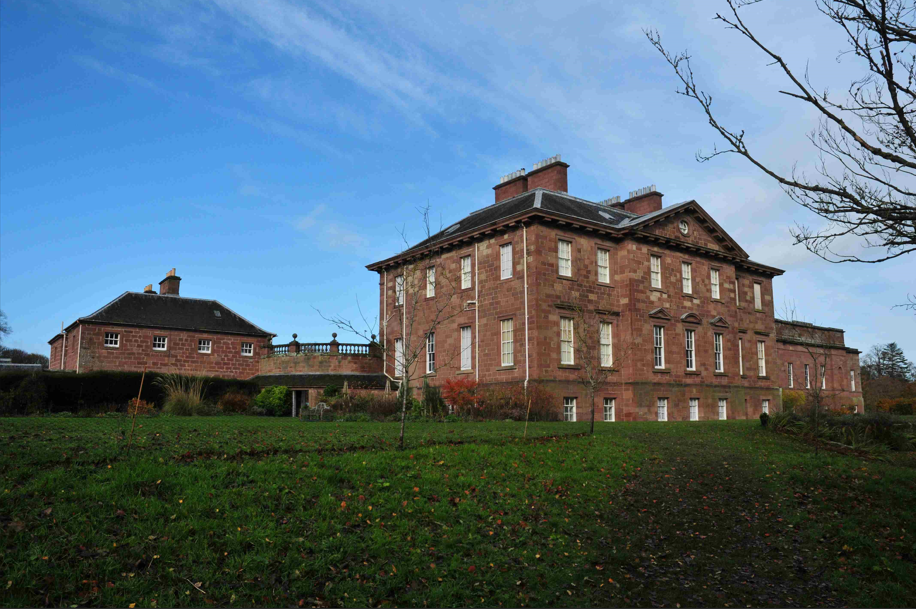
Paxton House is one of Britain’s finest examples of 18th-century Palladian architecture and is of significant national importance. Construction began in 1758 for Patrick Home of Billie, a prominent member of a Border family, and was completed over several decades with input from leading Georgian architects and designers.
The house was designed by John and James Adam, with later interiors by the renowned Robert Adam, and furnished with pieces including some by Thomas Chippendale. Built as a statement of wealth and status, and reportedly to impress a future bride who never came, it reflects both personal ambition and the cultural influences of the Grand Tour era.
At the same time, the surrounding landscape was shaped to reflect contemporary tastes. Influenced by Capability Brown, Scottish designer Robert Robinson created sweeping, picturesque views that complement the classical form of the house.
Ownership passed to Ninian Home and later generations, who continued to develop the estate. In the early 19th century, an additional wing was added to house a library and a significant picture gallery.
Today, the house and its estate are preserved for public benefit, offering insight into the lives, ambitions, and global connections of a wealthy Border family in the 18th and 19th centuries. It also offers cultural exhibitions, house and garden tours, seasonal events, and local produce in the Stables Tearoom.
Tree Planting Activity
Peter McGowan in his 2009 ‘Borders Designed Landscapes Survey’ commented that the basic framework of the park has changed little from its original design. Around 80 acres is now manged by the Paxton Trust, with the wider estate remaining part of a 1,000-acre farm. The landscape is characterised by woodland along the Tweed valley and its feeder burns, complemented by formal entrance features including twin Adam pavilions, gates, and decorative elements.
The surrounding grounds include open terraces, mature parkland trees, and an arboretum with historic cedar trees, said to be as old as the house, although at least one was lost during Storm Arwen.
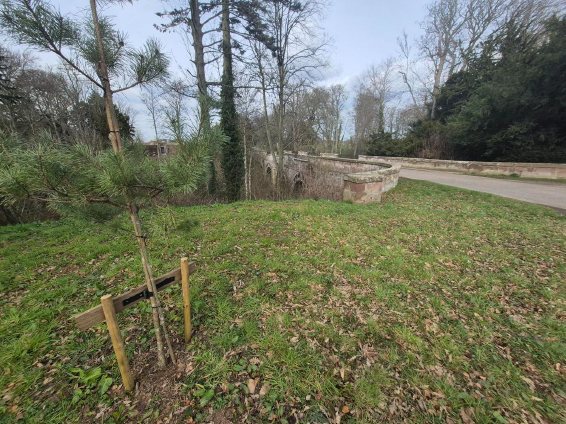
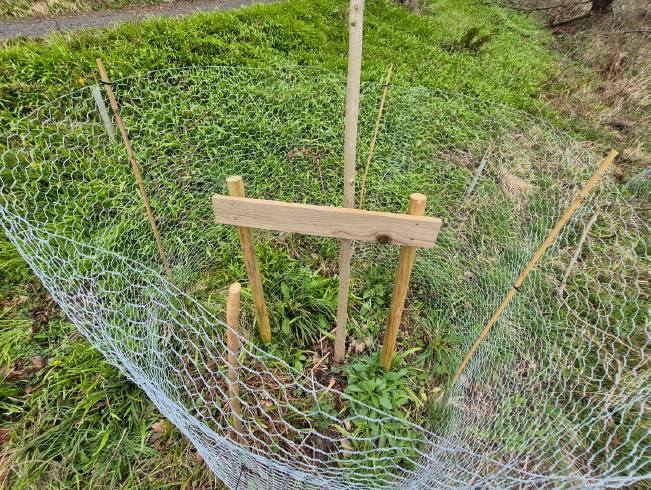
Working with the Paxton House estate, Project Facilitator Derek Robeson has carefully mapped historic planting on the land and assisted in planting 65 new landscape trees. Planting consisted of 28 avenue trees along the driveway, 29 ornamental trees in the woodland arboretum and a further 8 ornamental trees at the garden edge. Trees planted included several varieties of Beech, Oak, Scots Pine, Magnolia, Camelia and Acer.
Tree Planting Summary
28 Driveway / Avenue trees
29 ornamental trees in the woodland arboretum
8 ornamental trees at the garden edge
TOTAL: 65 INDIVIDUAL LANDSCAPE TREES PLANTED
Long Term Impact & Benefits
Specimen trees are focal point trees, selected for distinct structural, aesthetic or historic traits. In Designed Landscapes, they serve as living sculptures, anchoring the overall scene, establishing a sense of place and contributing to aesthetically pleasing views. The main driveway at Paxton used to be lined with an avenue of mature broadleaved trees. Storm Arwen blew many of them down. The replanted tree lined avenue will create that vertical dimension, which is much admired on country estates.
Parkland trees provide year round interest providing a mixture of spring blossom with autumn colour and winter tree bark textures. The woodland at Paxton is an arboretum, with a diverse range of tree species present. Visitors to the Estate will be able enjoy the newly planted trees, as they walk the various way marked routes around the Estate.
The Designed Landscapes project is funded by National Lottery Heritage Fund Scotland, Fallago Environment Fund and private contributions.
Back to Designed Landscapes project page