Designed Landscapes – The Hirsel
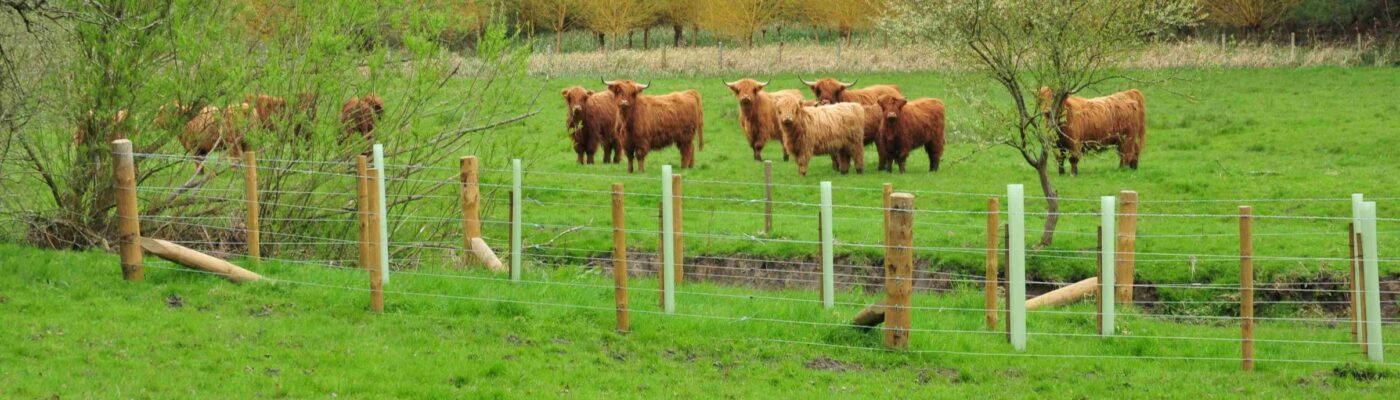

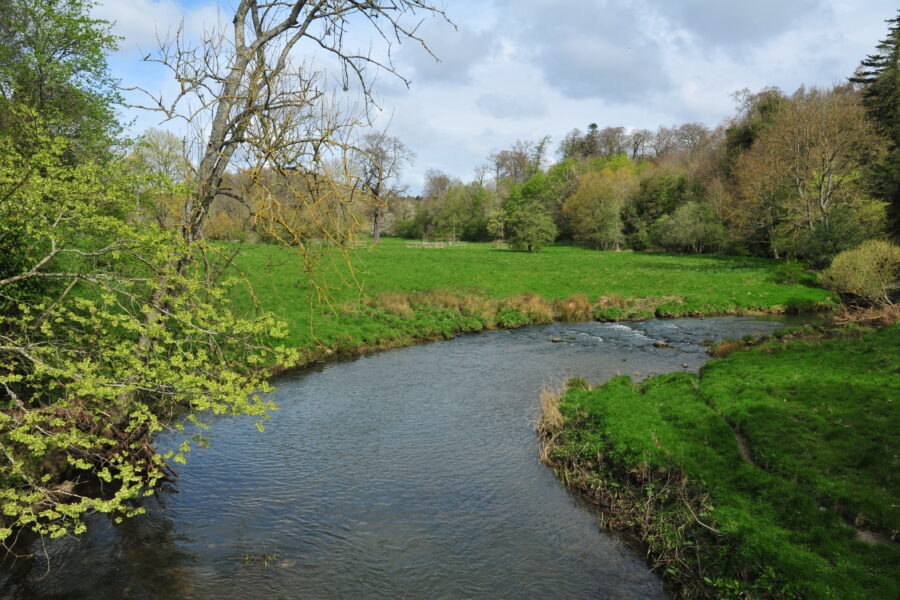
The Hirsel is an impressive estate, dating back to the 17th century, located near Coldstream in the Scottish Borders. The estate is surrounded by a 200 hectare park with a large ornamental lake and river running through it.
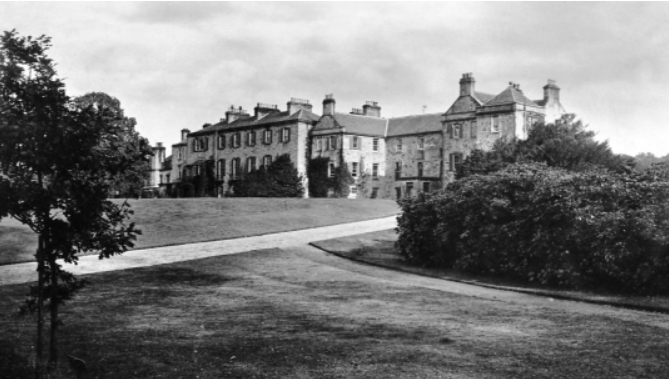
Background
The Hirsel estate has been the seat of the Earls of Home since 1611.
In 1654, the Hirsel was shown with a small wooded park which by 1750, had transformed into a formal layout with several small rectangular tree-lined parks and a possible large deer park. The estate was expanded in the 18th century and Hirsel lake created in 1786. In the 1890’s the Hirsel was described as standing amid beautiful grounds, adorned with fine woods.
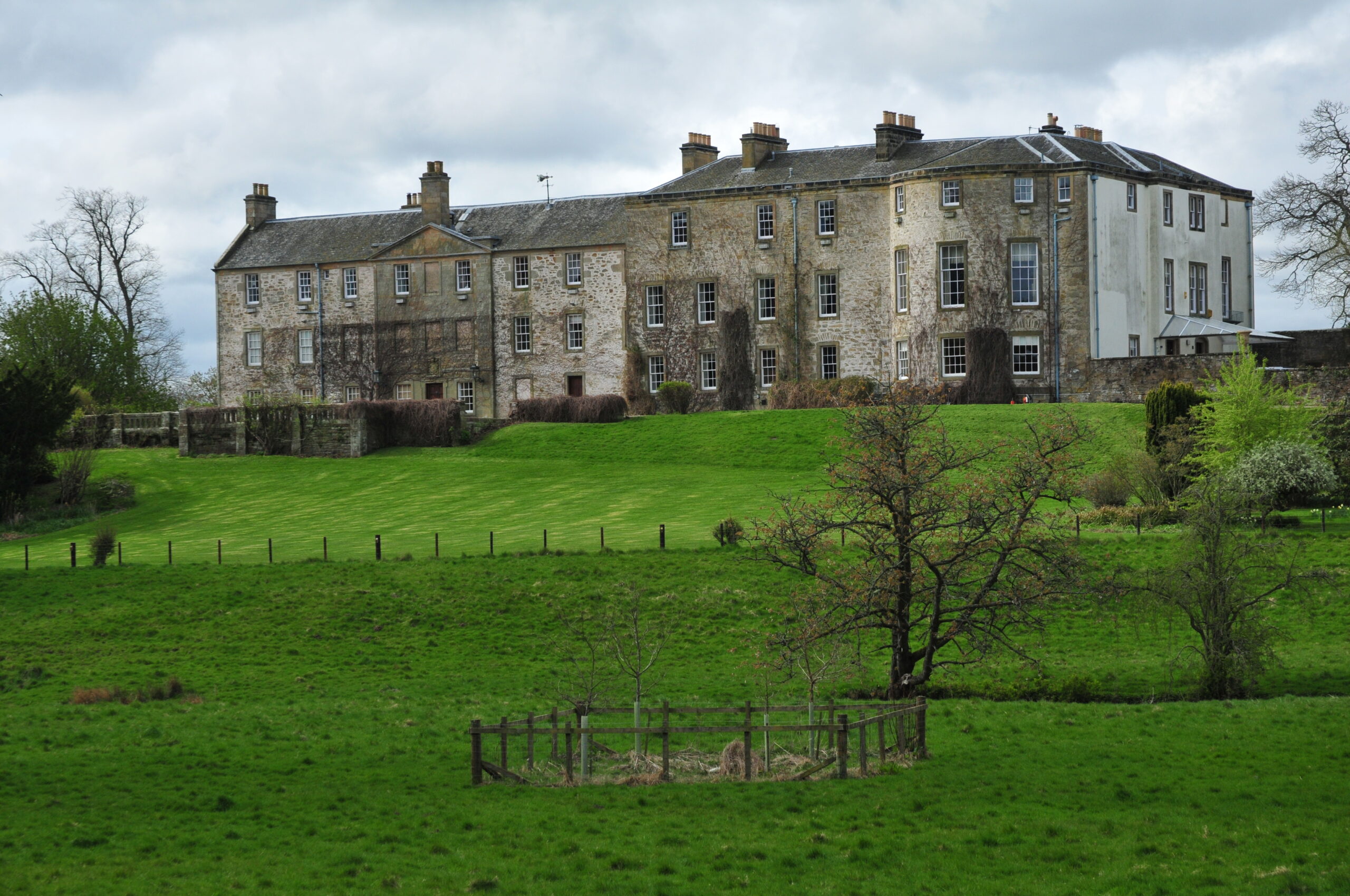
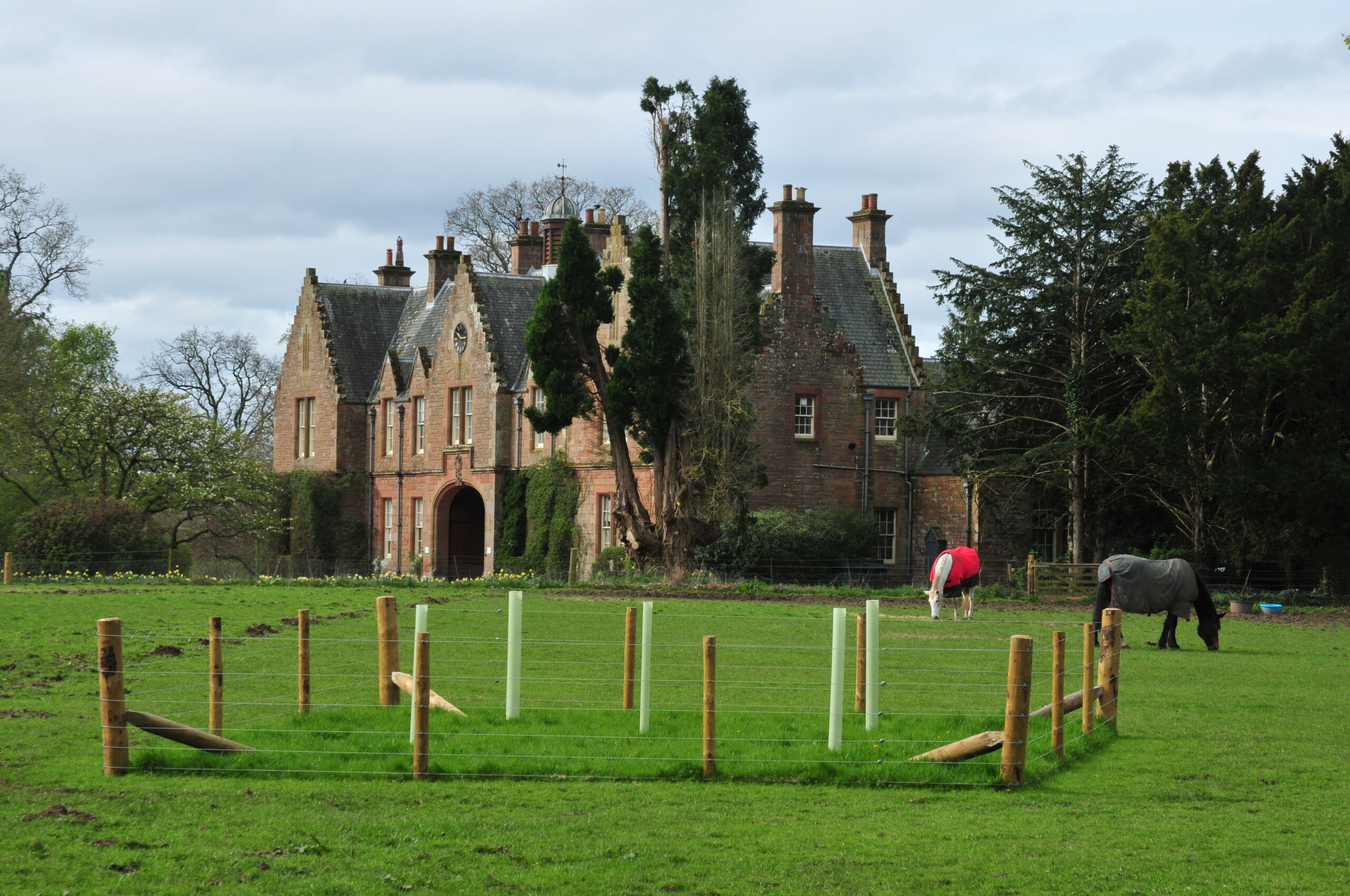
The estate features a large Georgian house, most of which dates from the early 18th century, with earlier portions from the 17th century onto which Victorian alterations were made by William Burn in 1851. The Hirsel was also the home of former British Prime Minister- Sir Alec Douglas Home.
The estate also includes a walled garden dating from the mid-18th century and an ornamental rhododendron and azalea woodland garden.
Today, part of Douglas & Angus Estates, the Hirsel comprises 1,250 hectares of mixed arable farmland and parkland. The former stables operate as a visitor centre, café, museum and workshops with waymarked walks, including walking routes from Coldstream
Tree Planting Activity
Project facilitator Derek Robeson has been working with the landowner at The Hirsel, to explore and plan restorative work which aims to conserve and regenerate Designed Landscapes, such as this one.
The Hirsel is a spacious landscape divided by woodland into large grass parks, Very large mature Oak trees are a feature of the parkland, Woodlands range from long established mixed Broadleaved woodlands with high nature conservation value to more commercial conifer plantations in the Periphery.
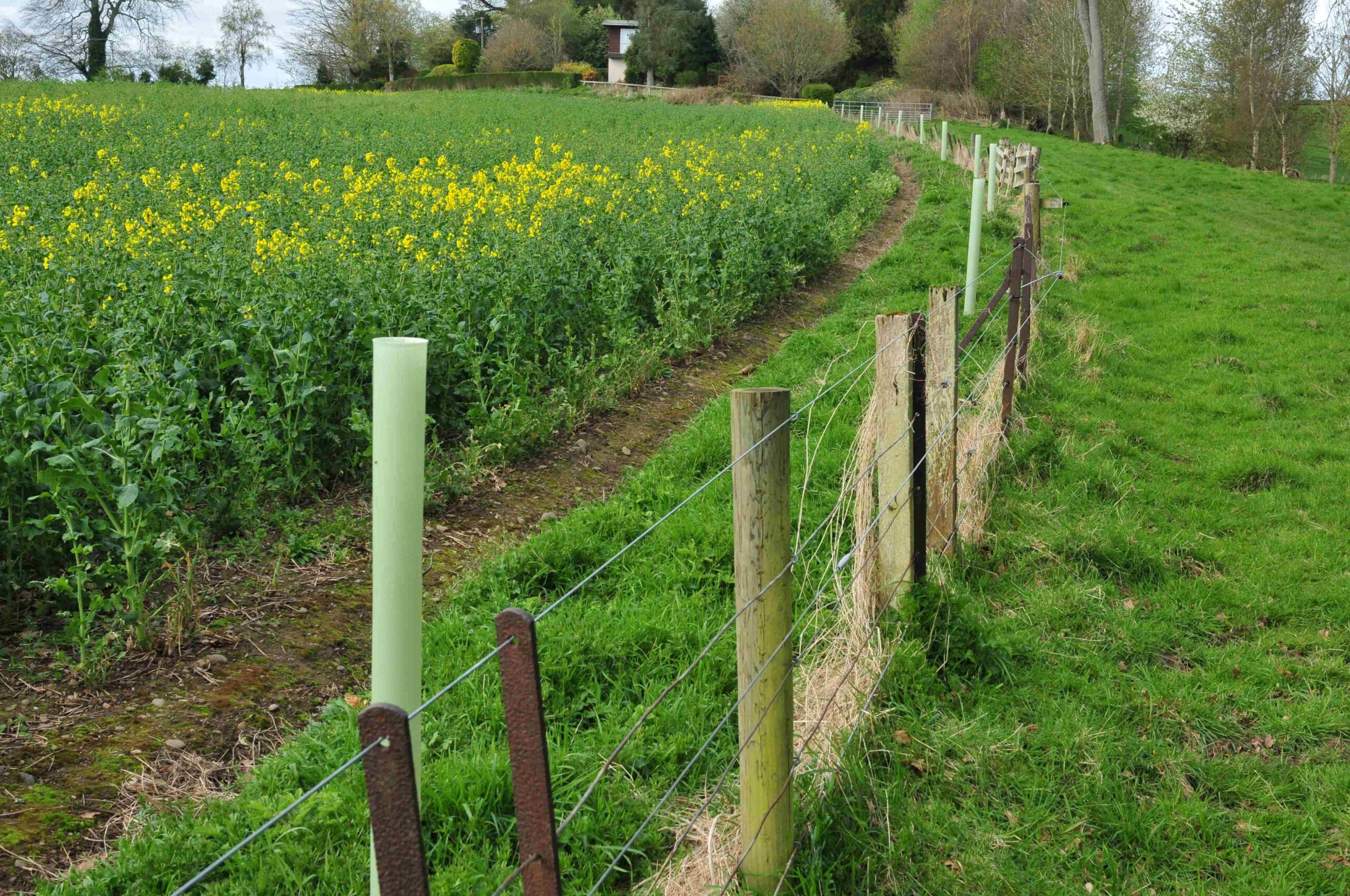
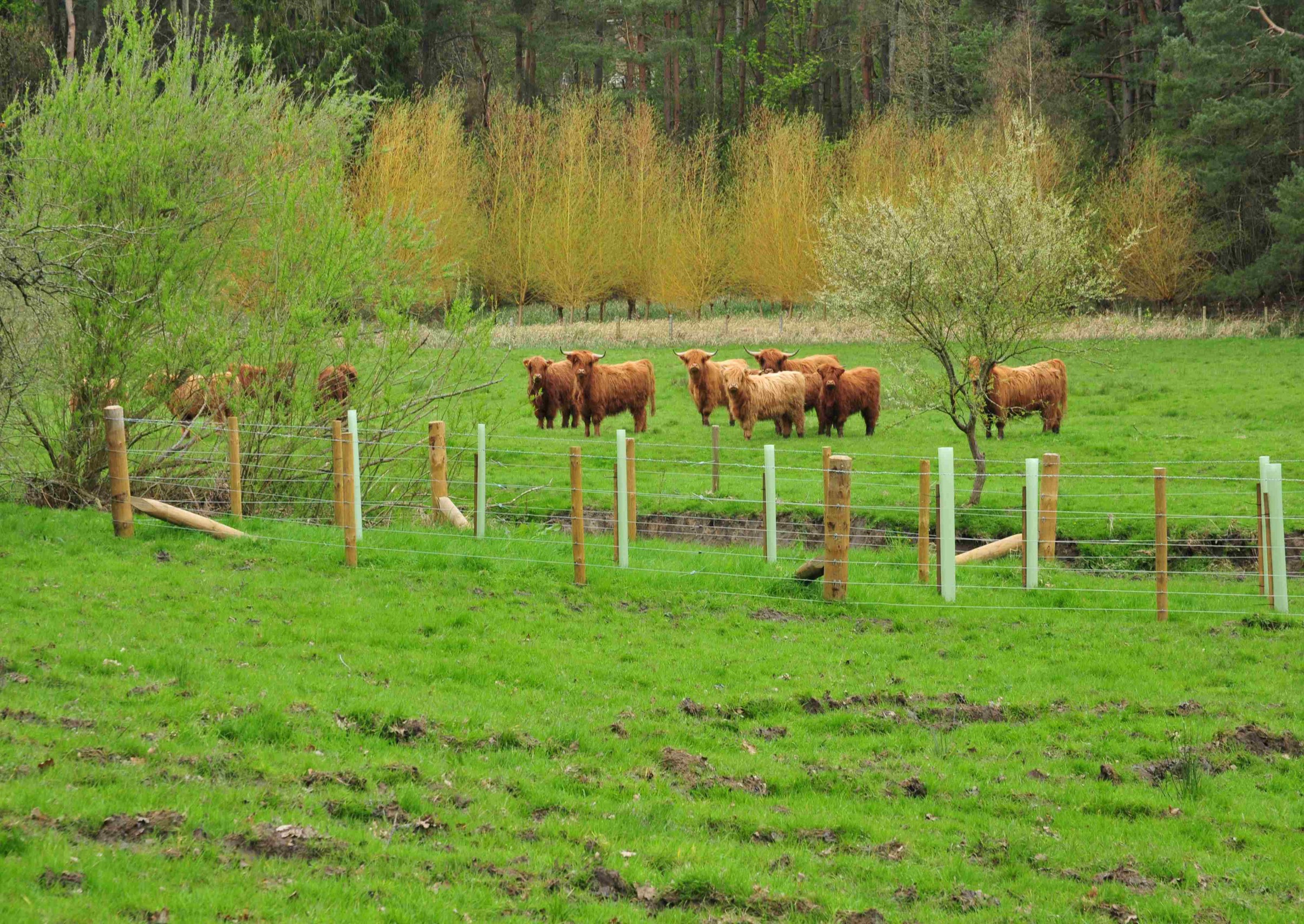
A total of 252 landscape trees were planted at The Hirsel, including species such as Oak, Beech, Sycamore, Lime, Rowan, Willow and Birch to help ensure a lasting legacy for this historically significant site, which is of both local and national significance for natural and cultural heritages
Tree Planting Summary
81 standard trees planted in hedgerows, field margins and parkland
157 smaller trees planted in parkland, banking and woodland clusters
14 fruit trees planted within the old walled garden to extend the recently created orchard
TOTAL: 252 TREES PLANTED
Long Term Impact & Benefits
The Hirsel is a very open and publicly accessible Estate. The mix of farmland, woodland and water rich habitats makes this a haven for both people and wildlife. A glance at the visitor book shows that people come from far and wide to enjoy its many benefits. The current custodians of the estate are keen to look to the future and have planned a long term landscape tree planting programme here. Oak trees a major feature of the estate with many fine examples on show. These trees provide habitats for birds and insects. It is not unusual to see Jay, Mistle Thrush and Hawfinch feeding in the tree tops here.
There is one particular tree of significance, which is a large Sycamore tree, which some reports say, is the oldest known surviving Sycamore tree in Scotland. Some say, it was planted in 1509 which would make is a 4 year old sapling at the time of the Battle of Flodden, which took place not far away, across the River Tweed. This is truly a landscape in which history, people and wildlife linger.
The Designed Landscapes project is funded by National Lottery Heritage Fund Scotland, Fallago Environment Fund and private contributions.