Designed Landscapes – Traquair House
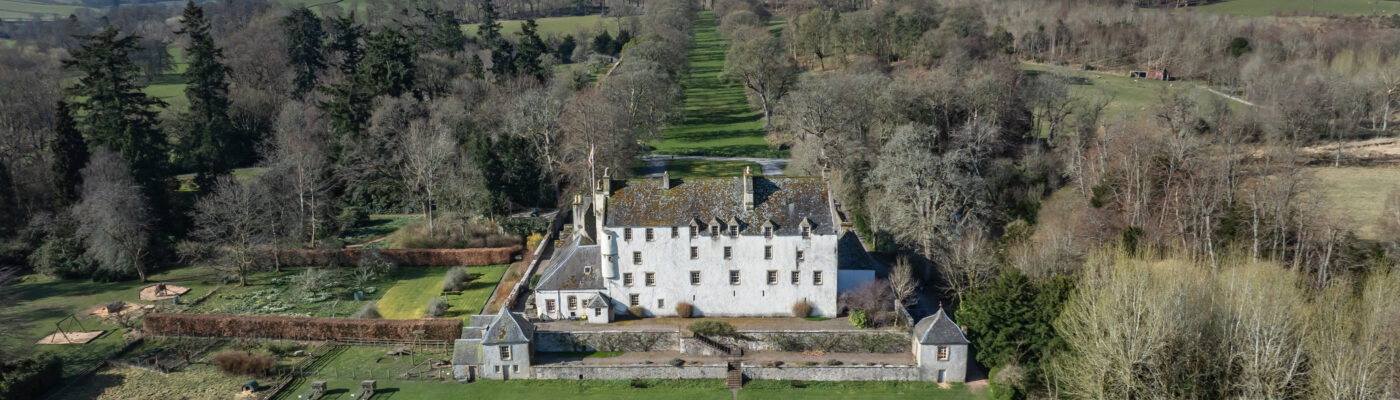

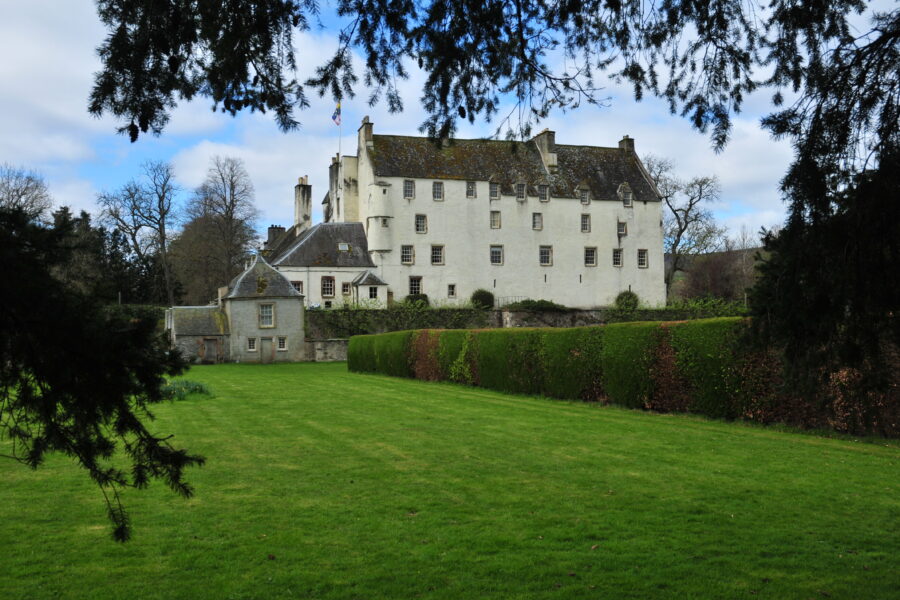
Traquair House, located near Innerleithen in the Scottish Borders, is a striking example of medieval architecture and estate planning, with its centuries-old stone façade, hidden chambers and expansive grounds.
Background
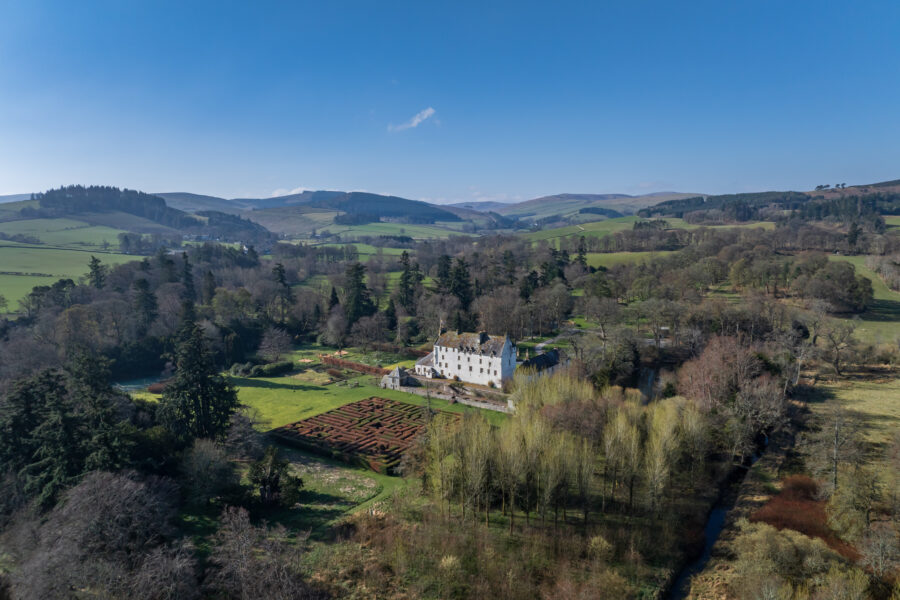
Traquair House is widely regarded as Scotland’s oldest continually inhabited house, with a history stretching back over 900 years. Originally established as a royal hunting lodge in the 12th century, it was frequented by Scottish monarchs including Alexander I, who signed a royal charter there in 1107.
In 1491, the estate was granted to James Stewart, the first Laird of Traquair, and has remained in the same family ever since. Over the centuries, Traquair evolved from a fortified tower, into a stately home, hosting notable figures such as Mary, Queen of Scots in 1566. The famous Bear Gates, which closed in 1745 after Bonnie Prince Charlie’s visit, mark the entrance to the property.
The house retains many original features, including its distinctive turreted façade and oak-panelled rooms, offering a rare glimpse into centuries of domestic life. By the mid-18th Century, a formal landscape had been created with tree lined parks with avenues, a walled garden and a wilderness plantation. Further development of the surrounding woodland took place in the 19th Century.
Tree Planting Activity
Project facilitator Derek Robeson has been working with the landowner at Traquair to explore and plan restorative work which aims to conserve and regenerate Designed Landscapes such as this one.
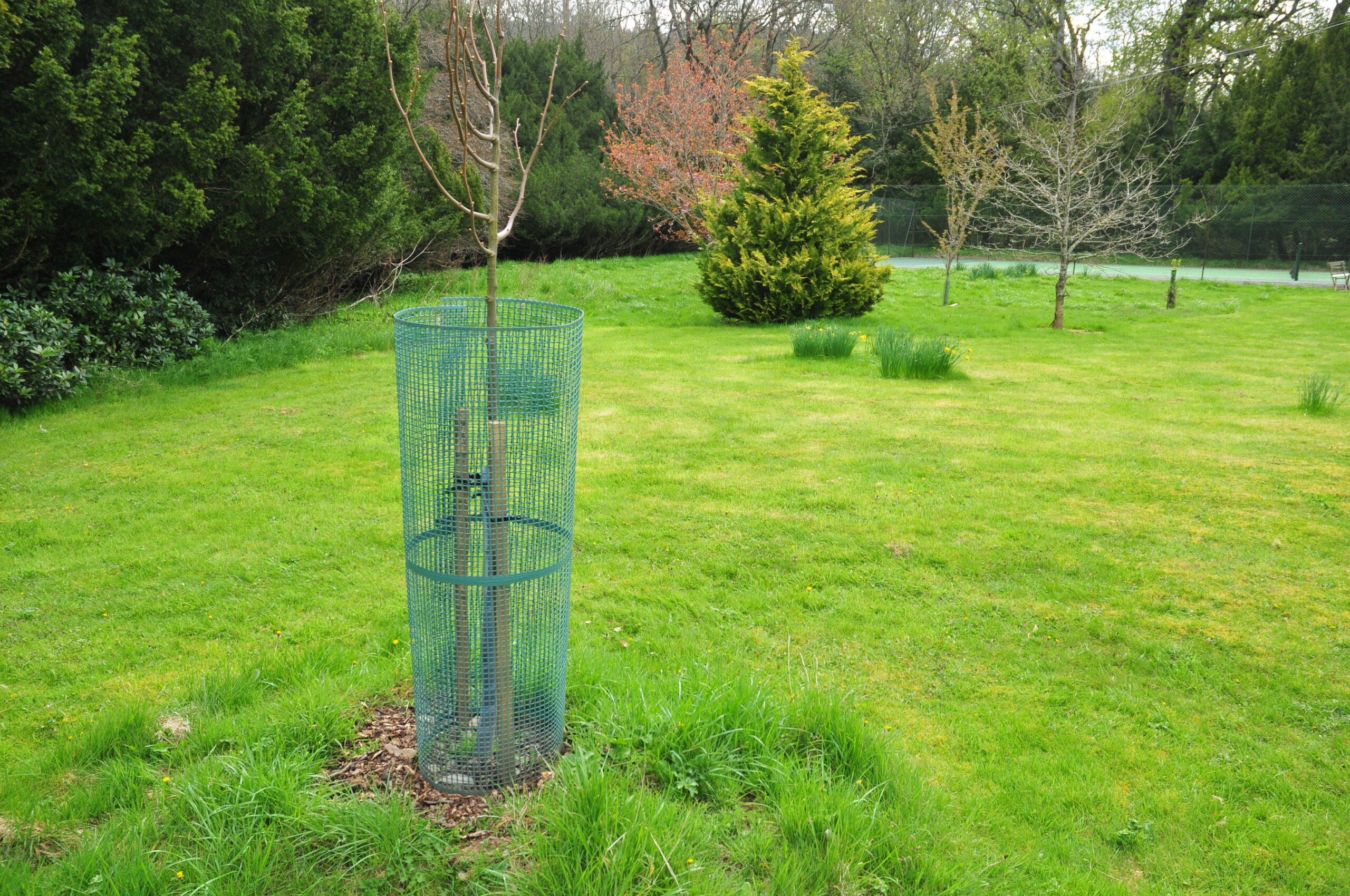
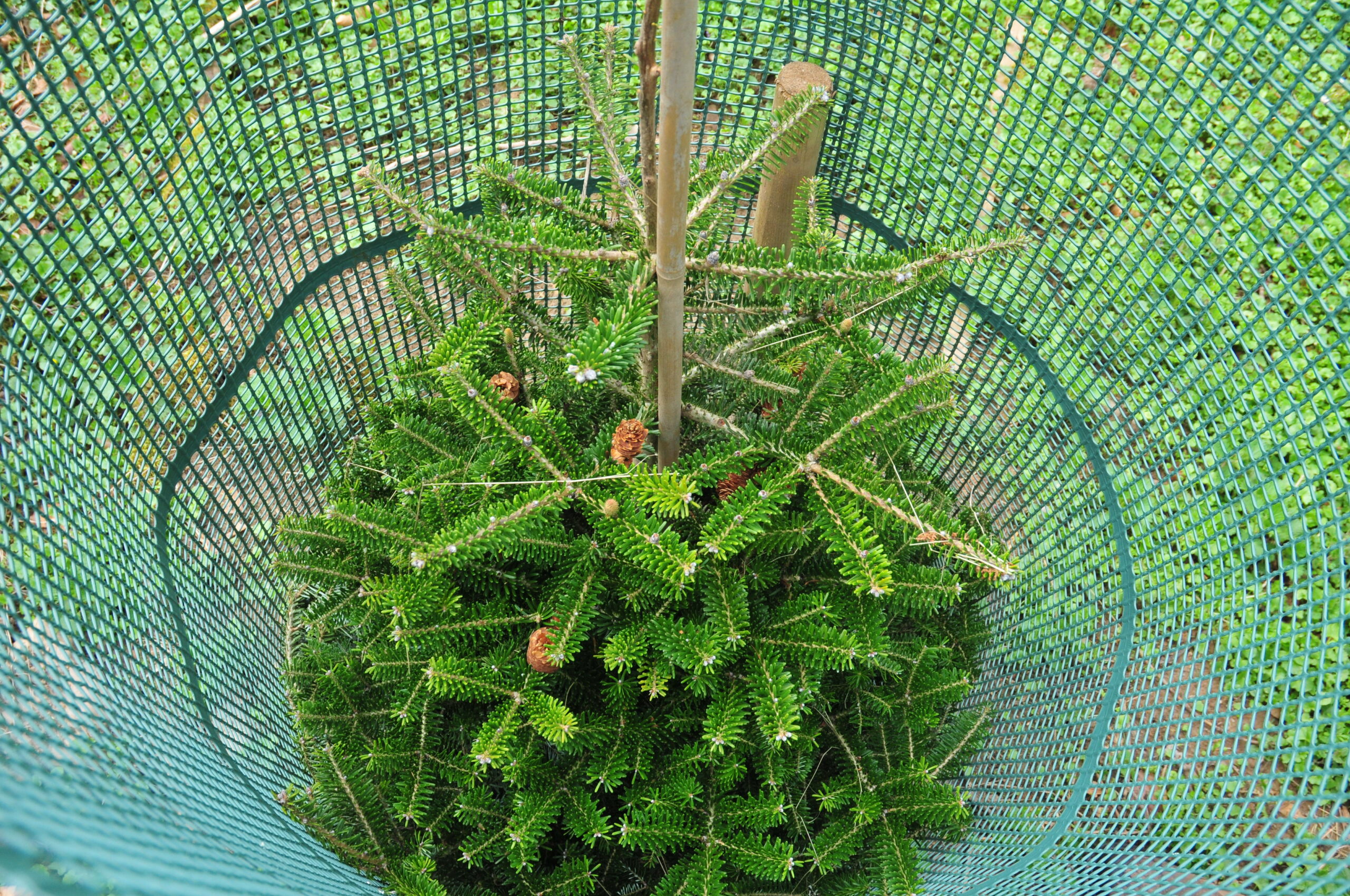
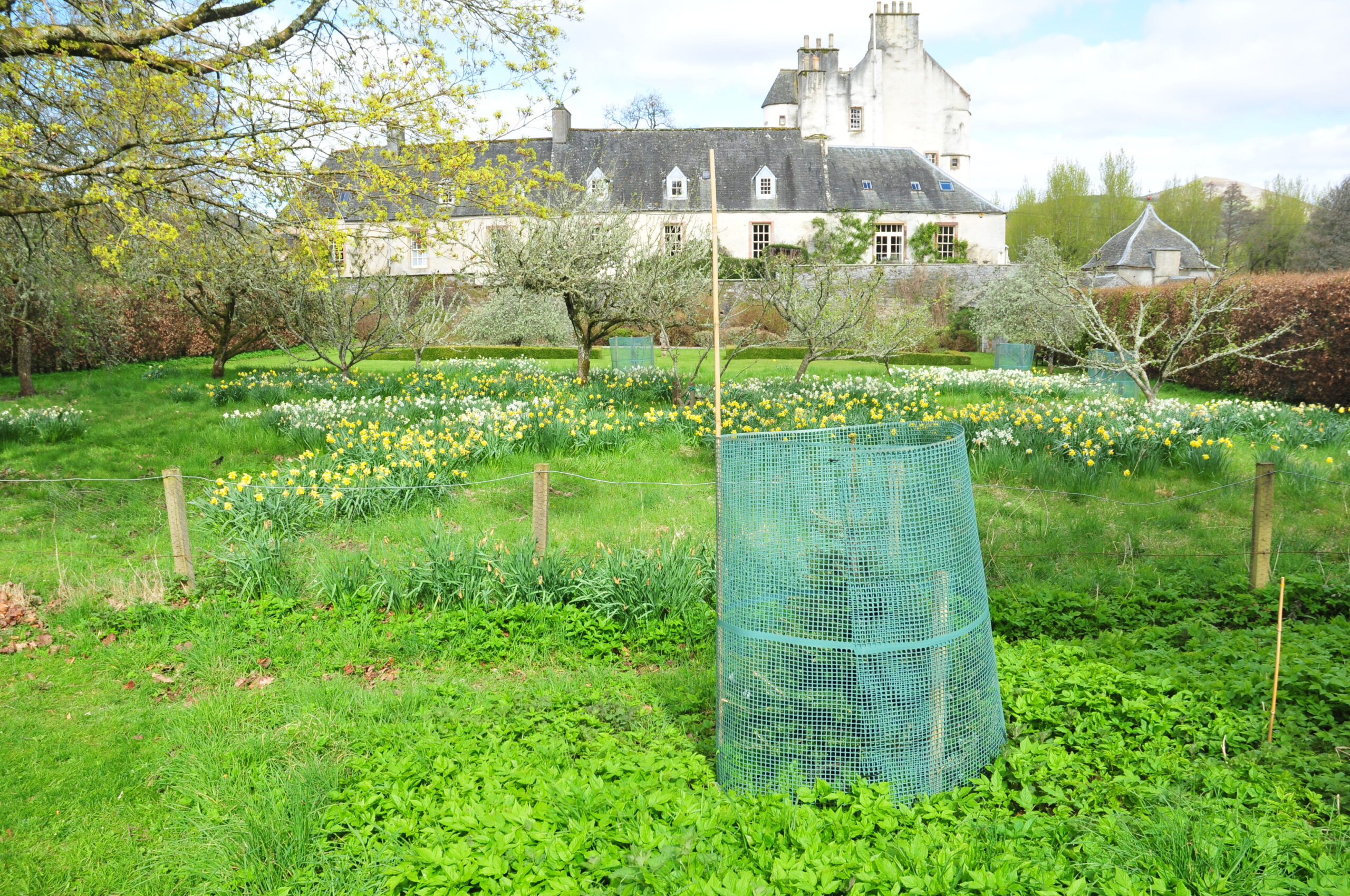
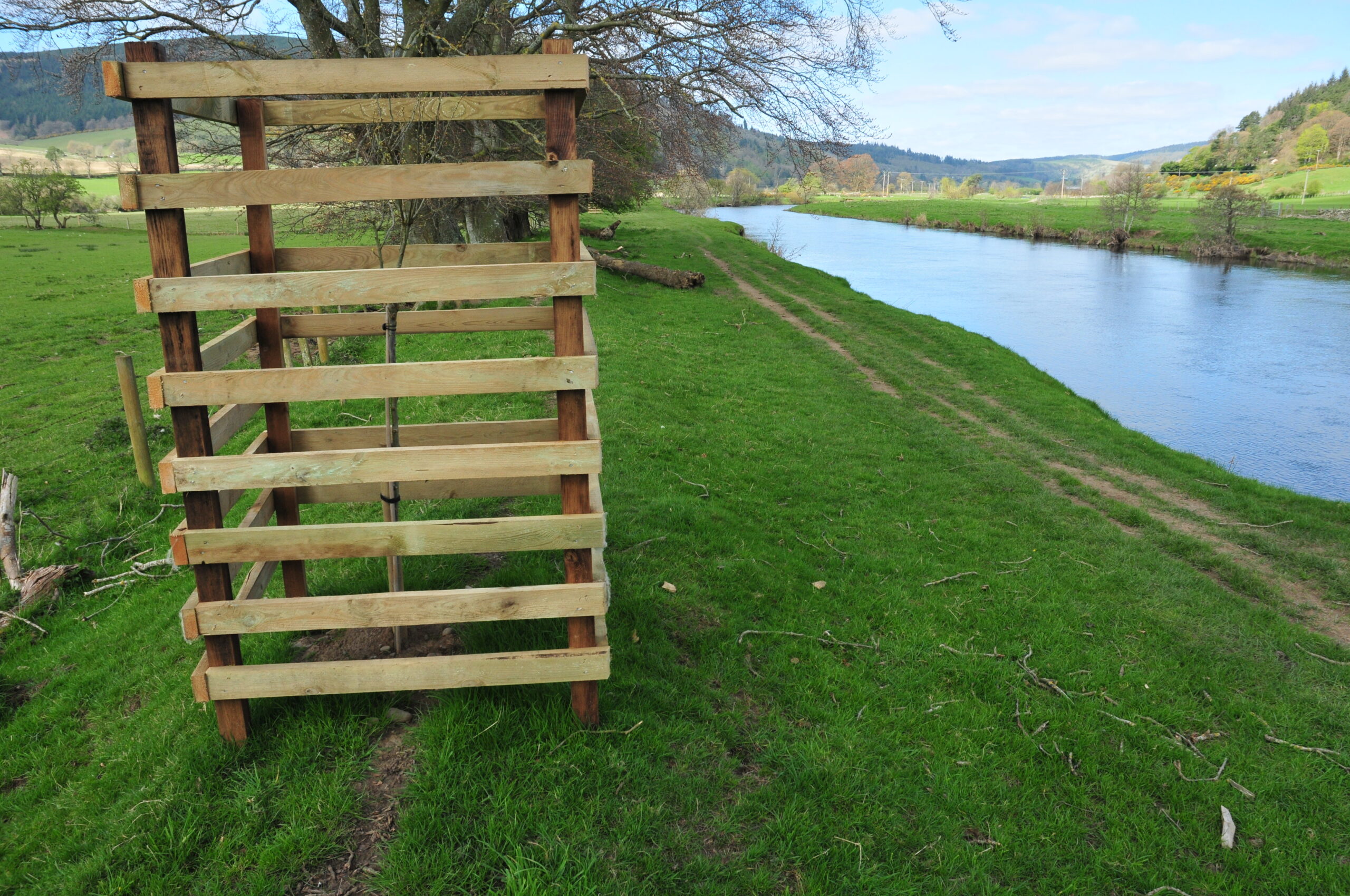
This included work to map, plan and execute planting of 110 landscape trees with a mix of species including: Lime, Oak, Aspen, Chestnut, Sycamore, Giant redwood, Silver fir and Beech. These were planted at various sites within the estate, including planting a new roundel, enhancing tree lines, in the parkland and in areas close to the main house.
Tree Planting Summary
1 new roundel containing 25 trees
1 new tree-line with 30 trees
15 trees in large tree boxes with multiple trees
20 new small tree boxes containing individual trees
20 parkland trees
TOTAL: 110 TREES PLANTED
Long Term Impact & Benefits
Traquair is one of those magical places which, when you enter through the main gates, you are transported back through 900 years of history. It is a special place which has always been a favourite of Scottish Kings and Queens. No less than 27 monarchs have visited Traquair. Apart from its long history, the state is an important place for wildlife. A diverse range of birds, animals, flowers and insects live in the many and varied habitats here. The trees form a significant part of Traquair’s appeal, with many tall and old trees still growing there. There is a particularly fine and sprawling example of a Douglas fir tree to the east of the house alongside some very old Yew trees.
The Estate is much used and loved by locals and visitors alike. The family space in the walled garden is particularly popular. The landscape trees planted as part of this Designed Landscape programme will help enhance the visitor experience and also help benefit wildlife for years to come.
The Designed Landscapes project is funded by National Lottery Heritage Fund Scotland, Fallago Environment Fund and private contributions.