Enhancing John Muir Award Experiences
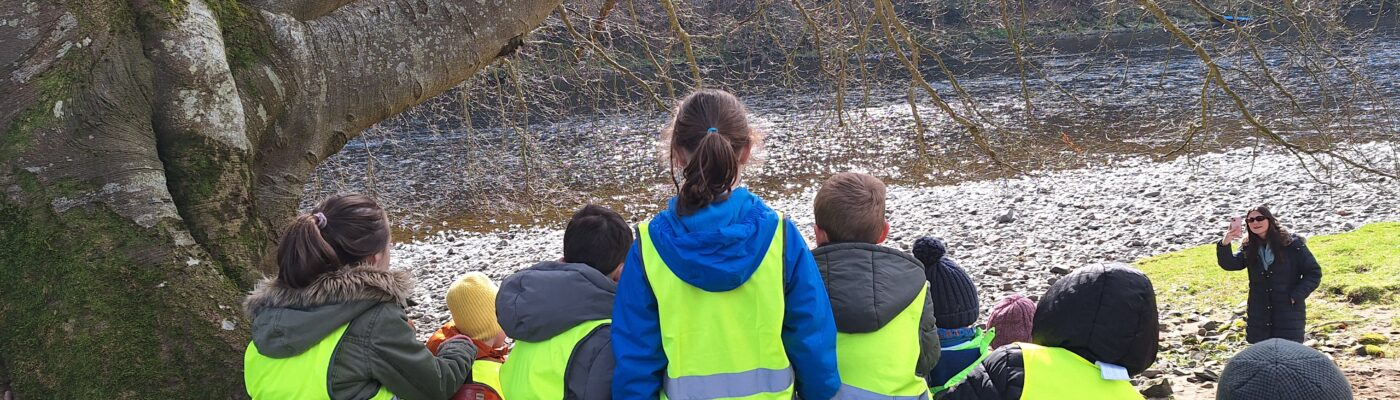

TweedWATCH is the Education Programme of Destination Tweed, led by Tweed Forum. It provides a wide range of curriculum-linked outdoor learning, built around a collection of tried and tested activities, workshops and resources that can be adapted to meet the aims and needs of each class or group.
The John Muir Award provides a flexible framework for outdoor learning, encouraging people to discover, explore, conserve and share their experiences of wild places, while celebrating participants’ achievements. Many schools and groups use it to structure outdoor learning that builds confidence, develops environmental awareness and encourages practical action for nature.

To achieve the first level of the John Muir Award, participants must spend at least 25 hours working towards the Four Challenges: Discover, Explore, Conserve and Share, with at least a quarter of that time spent on the Conserve Challenge, which might include practical conservation, citizen science or any other actions that benefit their wild places. Participants play an active role in shaping their Award, contributing to a programme that reflects their interests and develops an awareness of an inspirational environmentalist or local person making a difference to wild places. The John Muir Award also includes two additional levels for groups looking to continue their journey.
The John Muir Award is one of the ways TweedWATCH supports schools and groups to connect with their local green and blue spaces. Support can range from contributing to an existing Award to using the Award as a framework to develop a programme of outdoor learning that supports the group’s objectives.
The examples below show three ways TweedWATCH has supported the John Muir Award, demonstrating how its flexible approach can be adapted to different learners and contexts.
St Peter’s Primary School: Supporting an existing John Muir Award
Saint Peter’s Primary School developed an inspiring, year-long John Muir Award centred on the Gala Water and River Tweed. The programme placed the local river at the heart of learning, helping pupils explore the natural and cultural heritage on their doorstep while developing an understanding of conservation, stewardship and the importance of caring for their local environment. Through regular visits to local green and blue spaces and practical conservation activities, the teacher created a varied and engaging programme of outdoor learning for their class. You can hear more about what they got up to from the class themselves in their P7 John Muir Award celebration video.
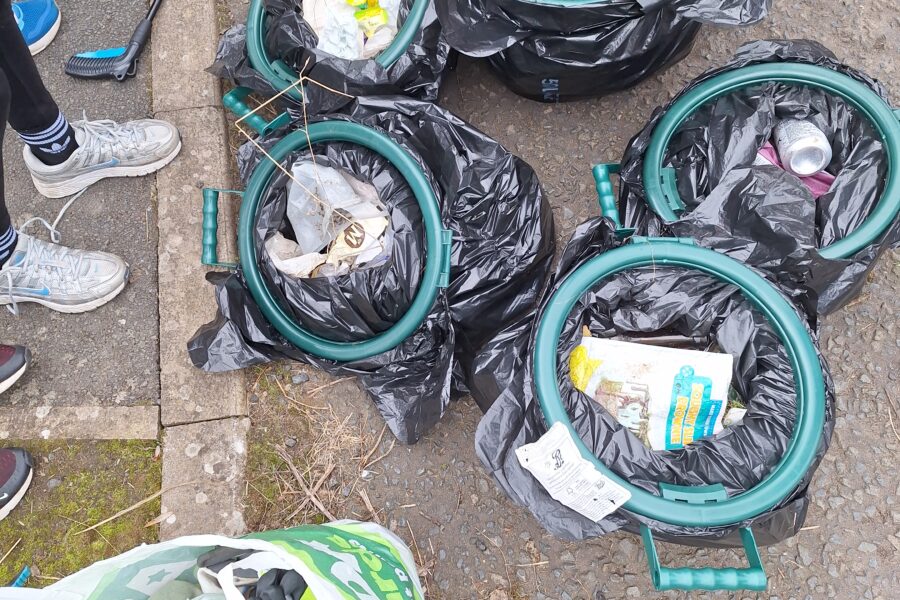
Recognising the value of introducing a range of perspectives and expertise, the teacher invited partner organisations to contribute to the programme throughout the year including TweedWATCH, Tweed Foundation, The John Muir Trust and Bright Green Nature. Each organisation brought its own knowledge, experiences and opportunities to their Award. TweedWATCH’ s contribution focused on flooding and water pollution, helping pupils develop a deeper understanding of the threats facing the River Tweed catchment.The programme finished with a celebration event attended by pupils, families and partner organisations. Participants proudly shared their John Muir Award journals, reflected on what they had learned throughout the year and celebrated their achievements as they received their certificates.
Seeing pupils reflect on everything they had achieved was an amazing reminder that the Award isn’t just about completing a series of activities. It shows how thoughtful, place-based learning, supported by local partnerships, can help young people develop confidence, curiosity and a lasting connection with nature.
Jedburgh Grammar Campus : A Day of Discovery and Conservation
Jedburgh Grammar Campus approached TweedWATCH to support a group of S2 students working toward their John Muir Award, culminating in a practical day at Old Melrose Woodland Classroom. The teacher wanted students to experience a range of LEAF Eco Award and John Muir Award activities while taking part in meaningful conservation work.
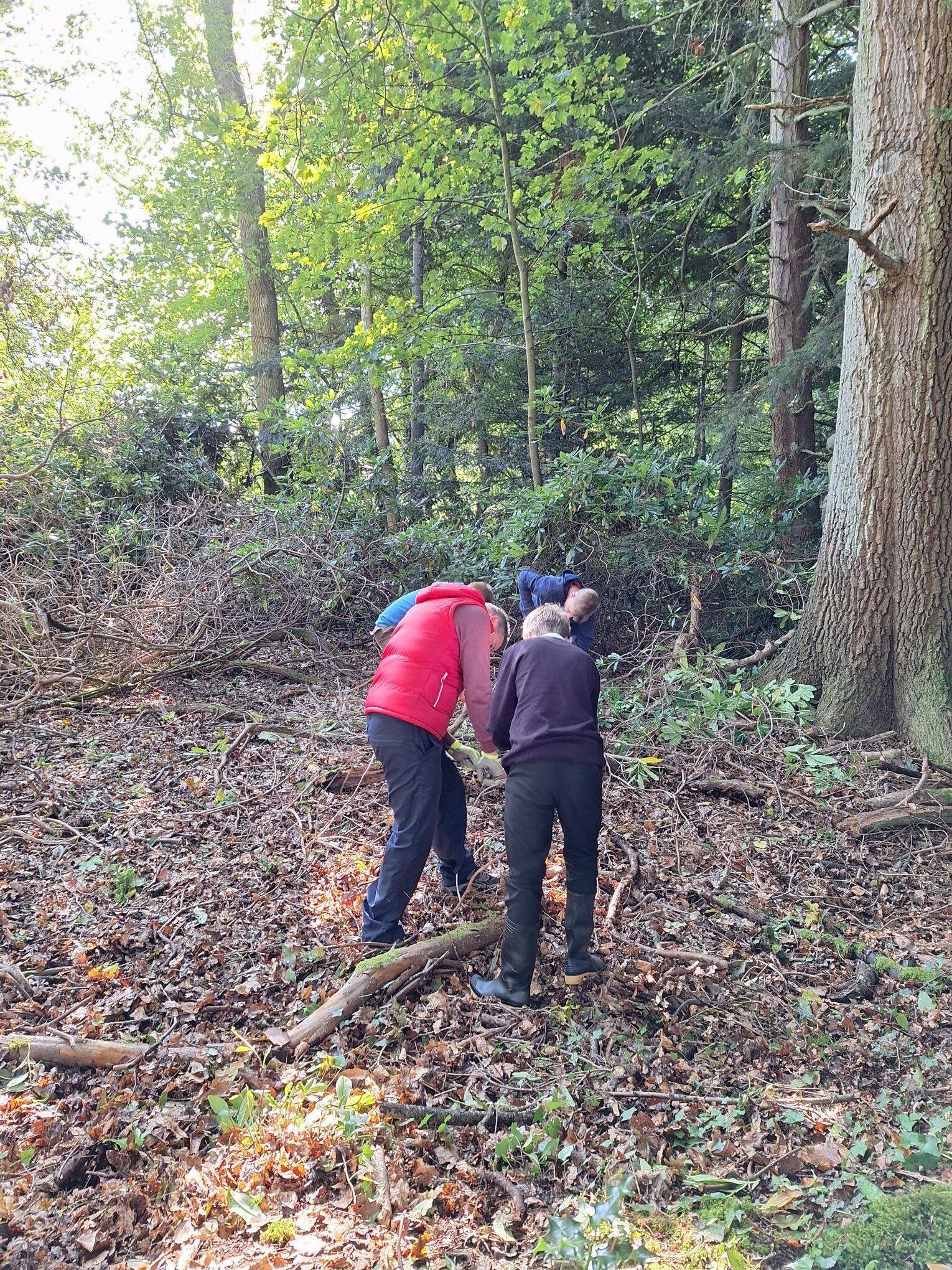
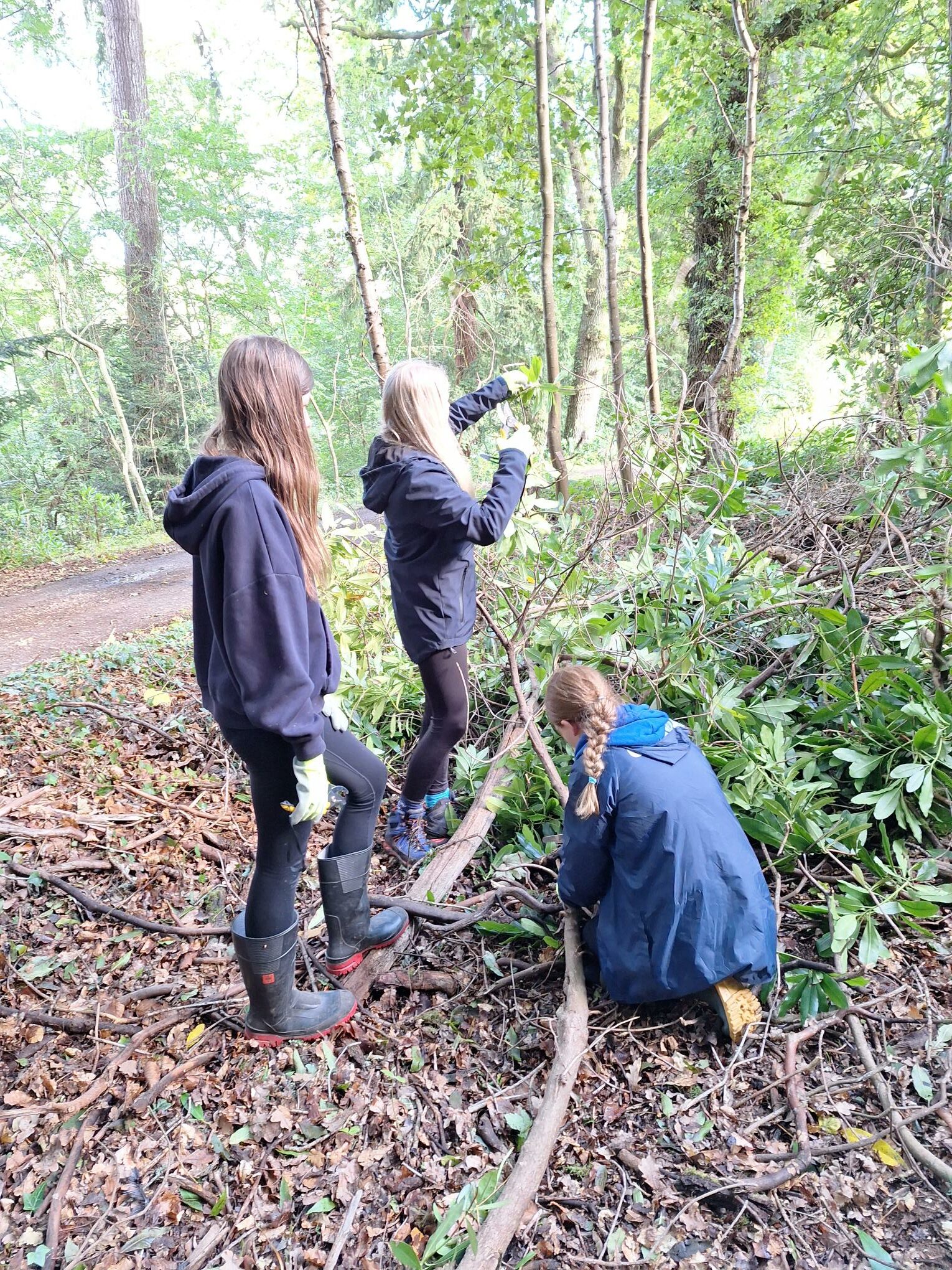
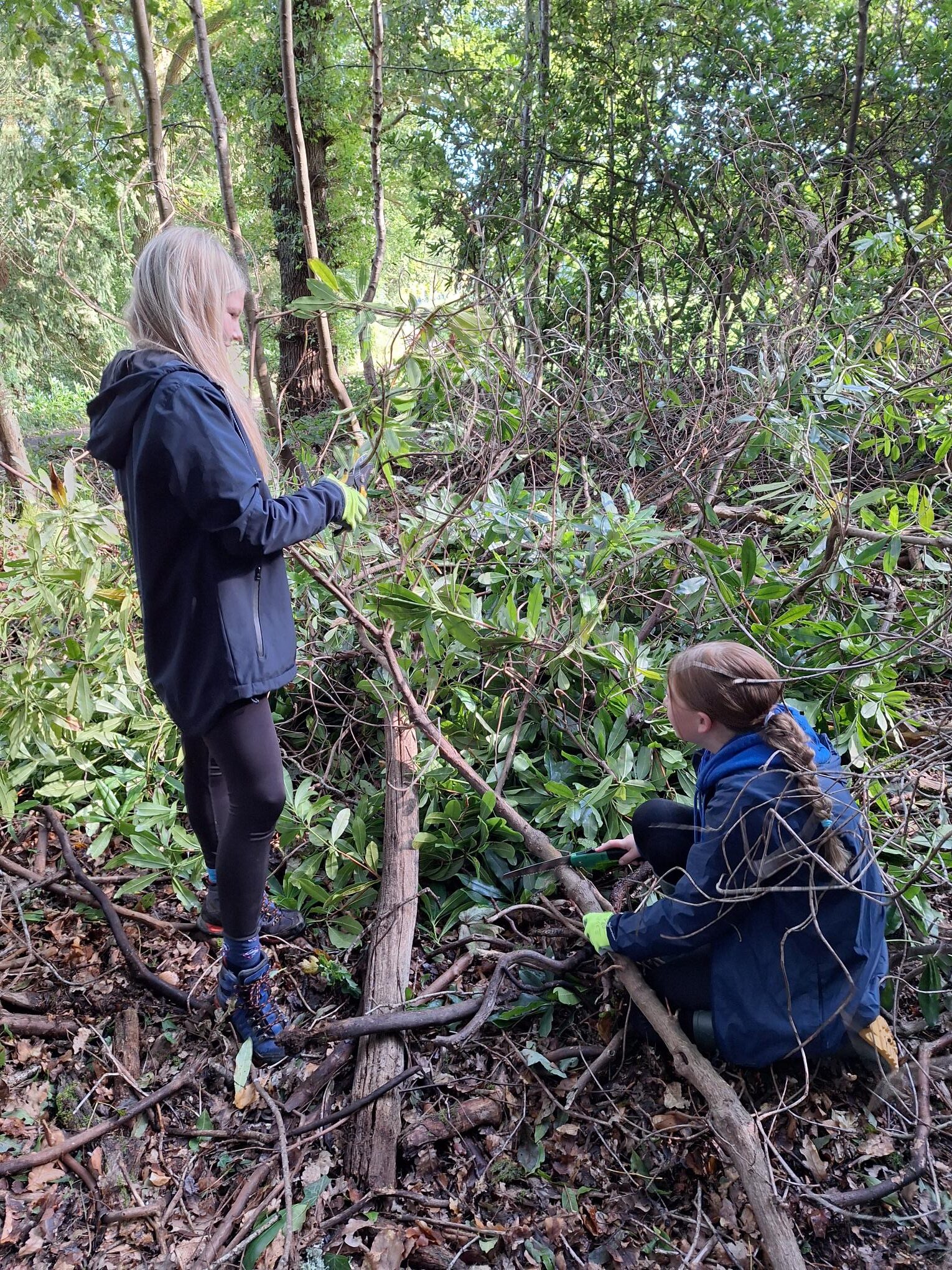
Working closely with the teacher and landowner, TweedWATCH designed a day that combined practical conservation with opportunities to explore and reflect. Students carried out rhododendron removal from an area of woodland where the invasive plant was spreading, invertebrate surveys and created habitat piles using naturally fallen deadwood.
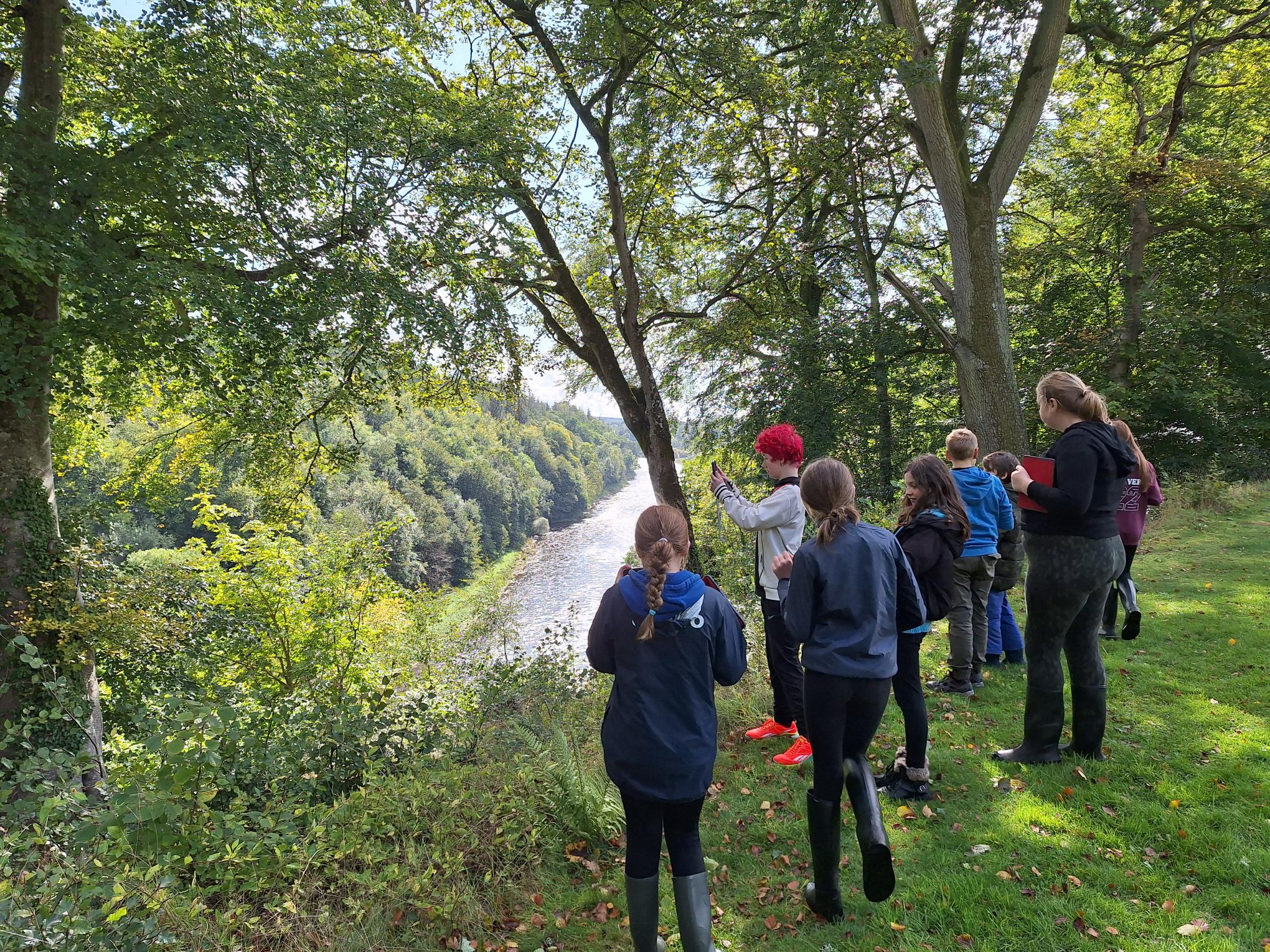
Students particularly enjoyed the practical conservation activities. Many commented on how satisfying it was to see the immediate difference their work made and quickly gained confidence using the tools. The day ended with a woodland walk to a viewpoint overlooking the River Tweed and a campfire where students shared their experiences of the day.
Galashiels Academy Enhanced Provision: Developing a John Muir Award Programme
Yew class, a group of curious and adventurous young people from the Enhanced Provision Unit at Galashiels Academy, wanted to make their school memorial garden an even better place for wildlife while building confidence in the outdoors and strengthening their connection with nature. Working in partnership with TweedWATCH, the class and their teacher worked towards the John Muir Award through a series of outdoor learning sessions.
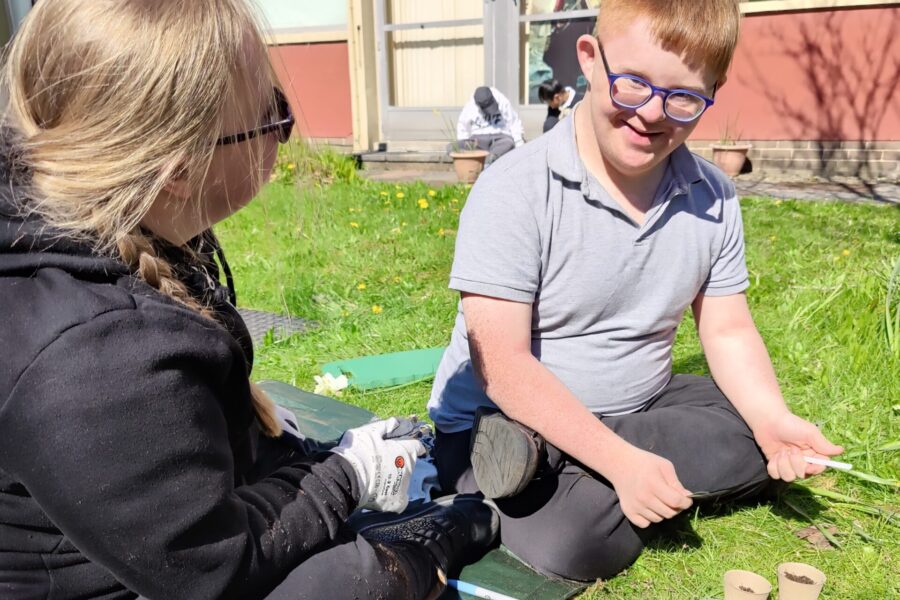
The group’s journey began in the school’s memorial garden, where they spent time getting to know a familiar green space and discovering how it changed from spring into summer. Gardening, wildlife surveys and creative activities, like leaf printing, river scene clay modelling and drawing their own garden designs helped them build confidence in the outdoors while learning how to care for local wild places.
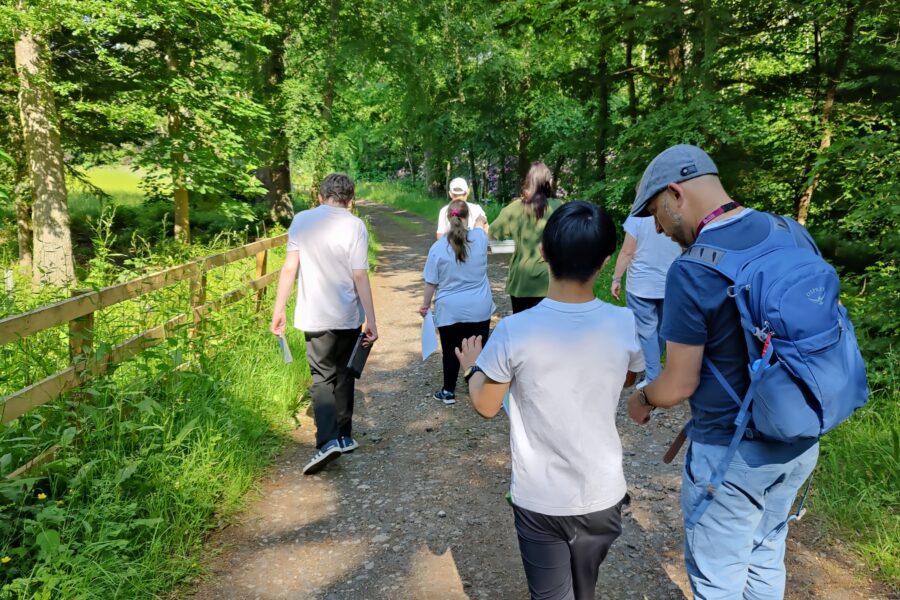
Later in the Award, the group visited Old Melrose, where they navigated through the woodland together to reach the River Tweed. One of the students said it made him feel proud to have journeyed all the way to the river.
The programme also encouraged a lasting sense of ownership of the memorial garden. Reflecting on the project, the teacher shared that all of the young people wanted gardening to remain part of their timetable the following year. They had volunteered to water the plants, suggested ways to further improve the garden and even took plant pots home over the summer to continue caring for them.
By the end of the programme, all six young people and the three accompanying members of staff had successfully completed the John Muir Award, celebrating their shared achievements together.
These examples show the different ways TweedWATCH can support schools and groups through the John Muir Award. Whether contributing to an existing programme or delivering a complete Award, activities can be adapted to suit different groups while helping young people connect with nature and care for their local wild places.
The TweedWATCH project was made possible with thanks to funding from the National Lottery Heritage Fund, Fallago Environment Fund, Northumbrian Water and EU LIFE WADER.