Experiencing the landscape of the Wild Heart


The Wild Heart is about more than ecological restoration. Borders Forest Trust (BFT) encourages people to experience the landscape through music, craft workshops, archaeology, learning and creative activities. Event venues such as Corehead Cabin and improved visitor access and facilities help connect people with the land, encouraging a deeper understanding of the many natural, cultural and historical stories it contains.
Here are some examples of the different lenses through which help us to see the Wild Heart landscape in new ways.

Archaeology
Archaeology is helping to reveal the deep connections between people and nature within the Wild Heart landscape. Through excavations at Adie’s Brae, carried out as part of Destination Tweed’s Uncovering the Tweed project, researchers have uncovered valuable evidence of the area’s Iron Age past. Analysis of archaeological remains has provided insights into the crops that were grown, the animals that were grazed, and the trees that formed part of the landscape around the ancient settlements of Corehead and Ericstane.
The excavation findings have also influenced contemporary conservation efforts. Charcoal analysis identified the presence of apple species within the historic landscape, providing evidence that these trees formed part of the local environment centuries ago. This discovery is echoed in current restoration initiatives, with native crab apple being planted across the Wild Heart through the Royal Botanic Garden Edinburgh’s Scottish Plant Recovery Project. In this way, archaeological research is not only enriching our understanding of the past but is also helping to inform our work now, creating a powerful connection between the landscapes of the Iron Age and the Wild Heart restoration landscape of today.
Dendrochronology
Dendrochronology and historical woodland research undertaken by Dr Coralie Mills and the team at Dendrochronicle has provided a fascinating insight into the long and complex history of Dairy Wood at Ericstane, one of the few surviving fragments of ancient wood pasture within the Wild Heart landscape. By studying tree-ring records alongside historic land use evidence, the project has helped unravel the intertwined relationship between people, woodland and grazing animals over many centuries.

The research revealed that Dairy Wood is not simply a remnant of natural woodland, but a landscape shaped by generations of human management and use. The surviving trees bear witness to changing patterns of grazing, woodland management and resource use, offering valuable evidence of how people interacted with and depended upon these upland environments in the past.
These findings are helping to inform contemporary restoration efforts across the Wild Heart. Understanding how woodland and grazing coexisted historically enables land managers to take a more informed approach to restoring habitats while maintaining the ecological processes that have shaped them over time.
Cultural Exploration
The stunning landscape of the Wild Heart has been the source of inspiration for many artists, musicians and photographers who have developed or performed their work in the Upper Tweed.
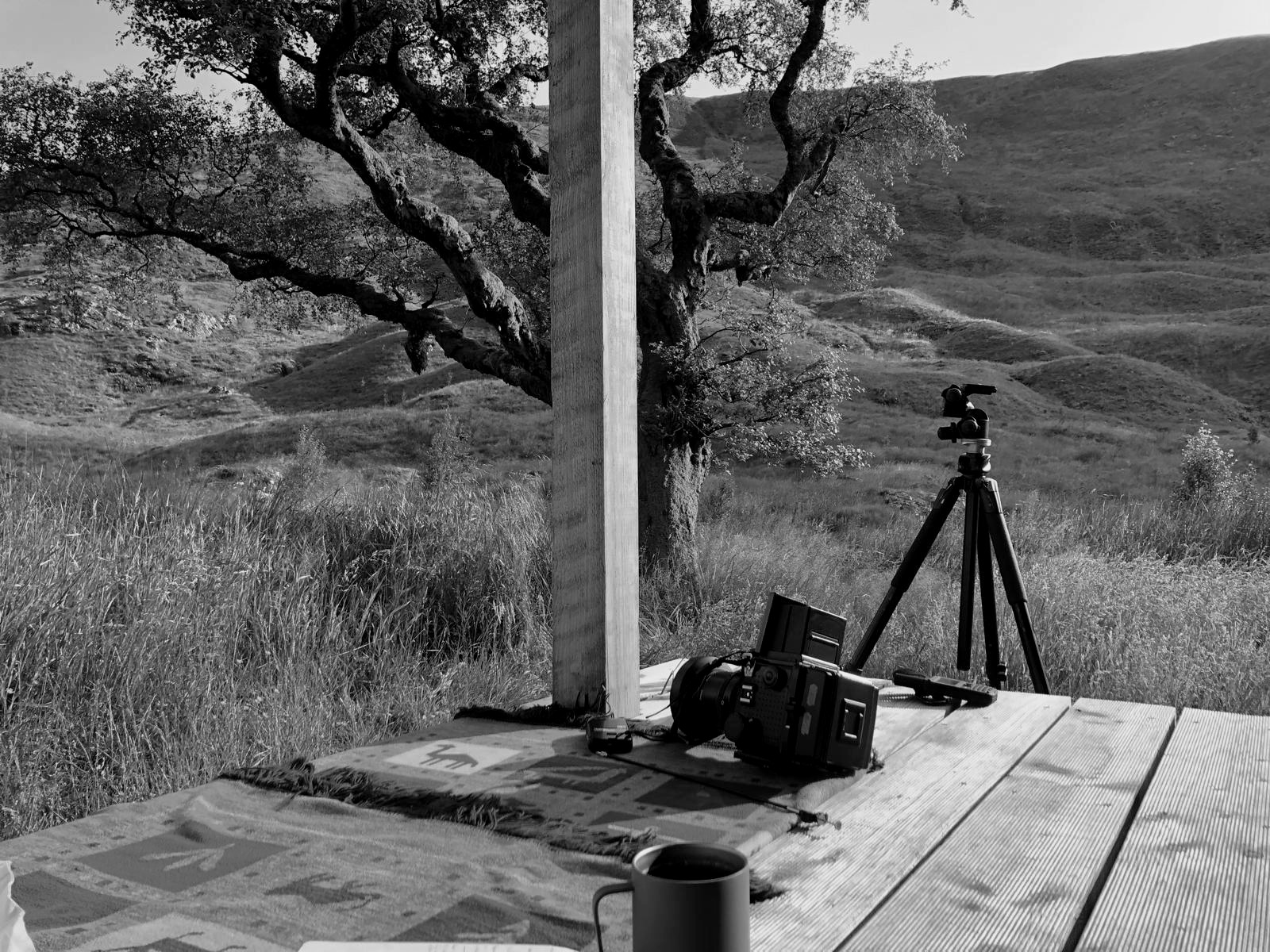
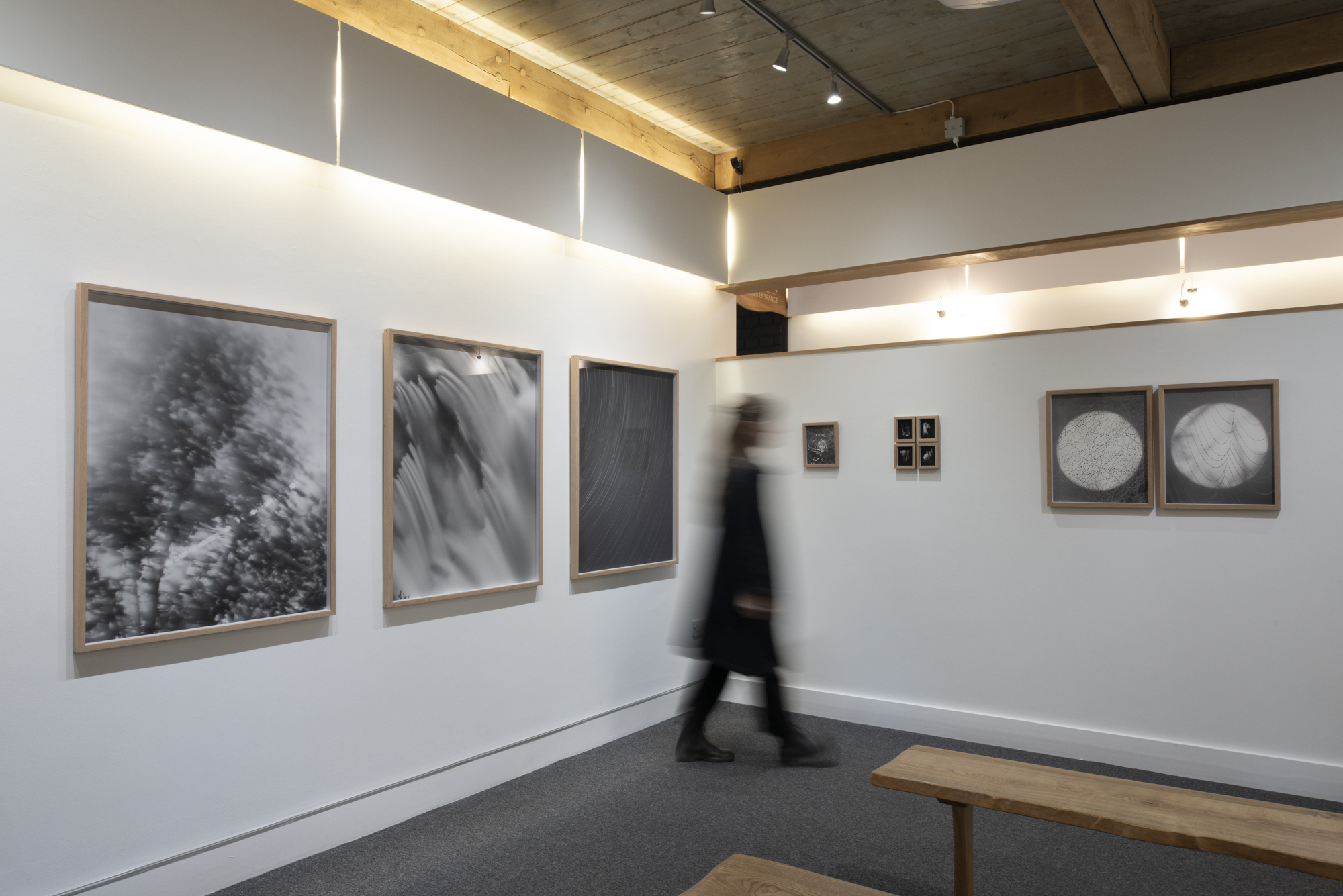
Through Connecting Threads‘ artist residency programme, photographer Sam Laughlin spent six weeks living off-grid within the Wild Heart, immersing himself in the landscape and the restoration work taking place across the sites. The striking images produced during his residency captured both the beauty of the natural environment and the scale of BFT’s vision for ecological recovery. By sharing these images with audiences beyond the Scottish Borders, the residency helped communicate the story of landscape restoration in a way that was accessible, engaging and emotionally powerful.
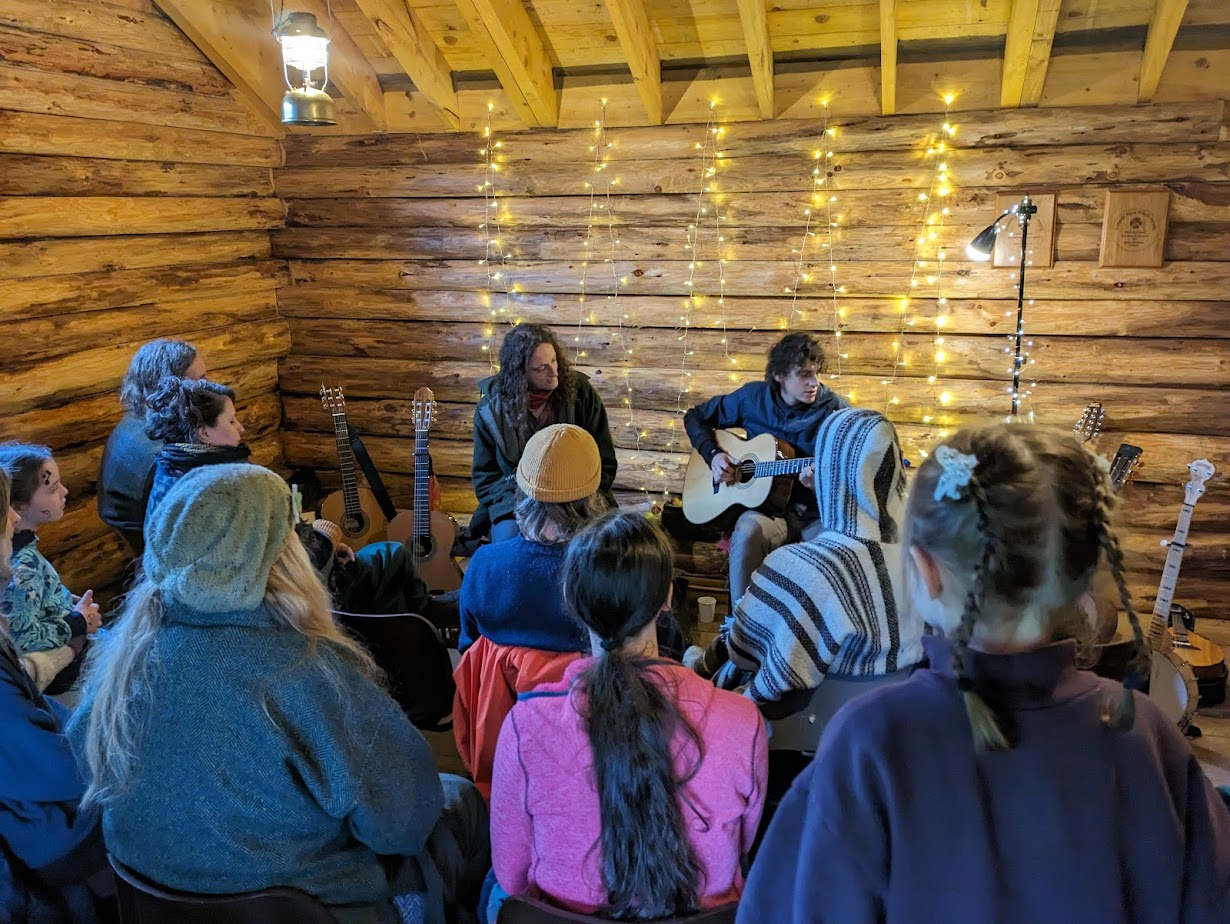
Creativity has also played an important role in bringing people together at Corehead. The site has hosted a range of cultural events celebrating the connections between people, nature and place. Music performances inspired by the landscape, poetry readings reflecting on themes of nature recovery and ecological change, storytelling gatherings, and creative workshops exploring the rich wildlife of the area have all taken place within this remarkable setting.
These creative responses complement the scientific and conservation work taking place on the sites, demonstrating how restoration is not only about recovering nature but also about renewing cultural connections with the land.

Traditional Skills
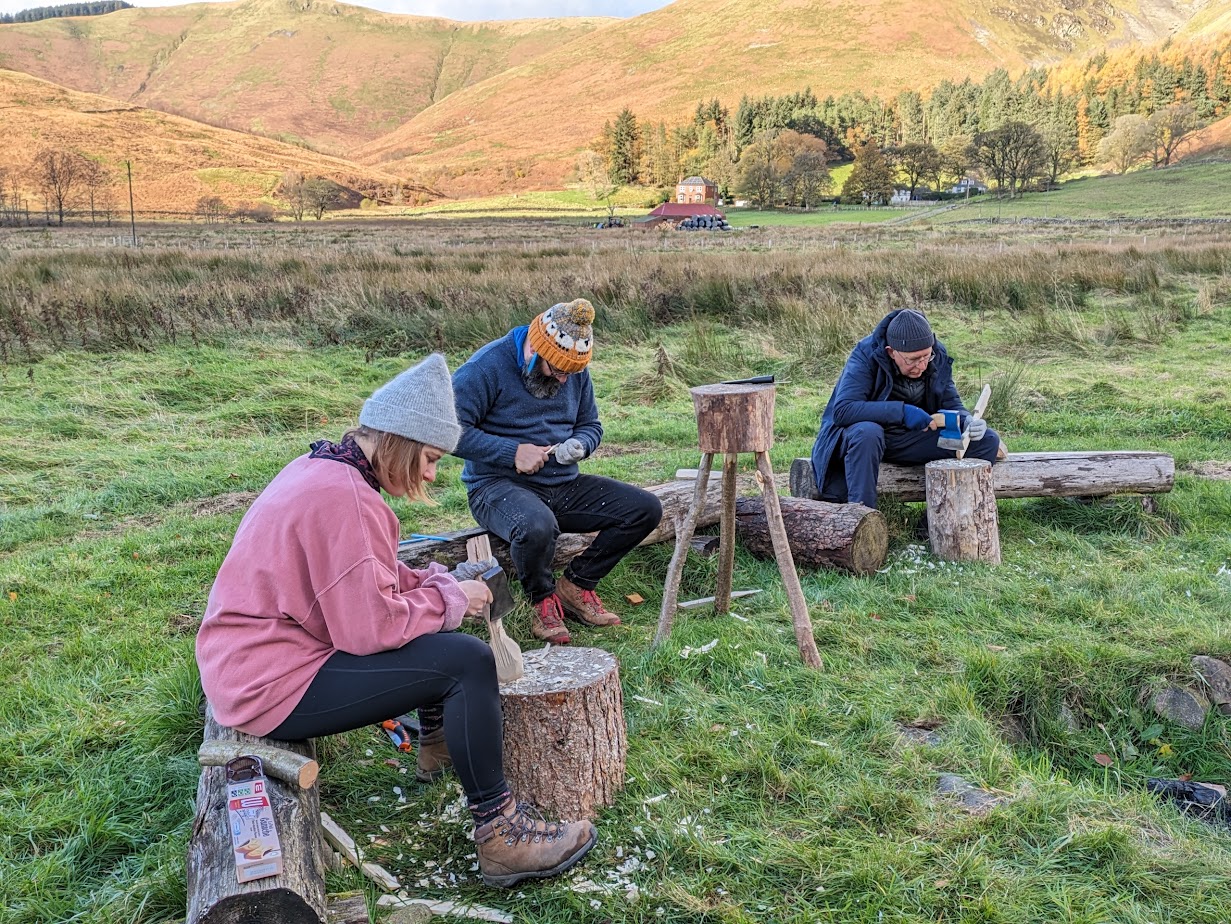
Nature-based learning and community engagement are a vital part of BFT’s work. Through guided walks, practical conservation sessions and hands-on workshops, participants are encouraged to develop a deeper understanding of the habitats, wildlife and restoration work that are helping to shape the Wild Heart of Southern Scotland.
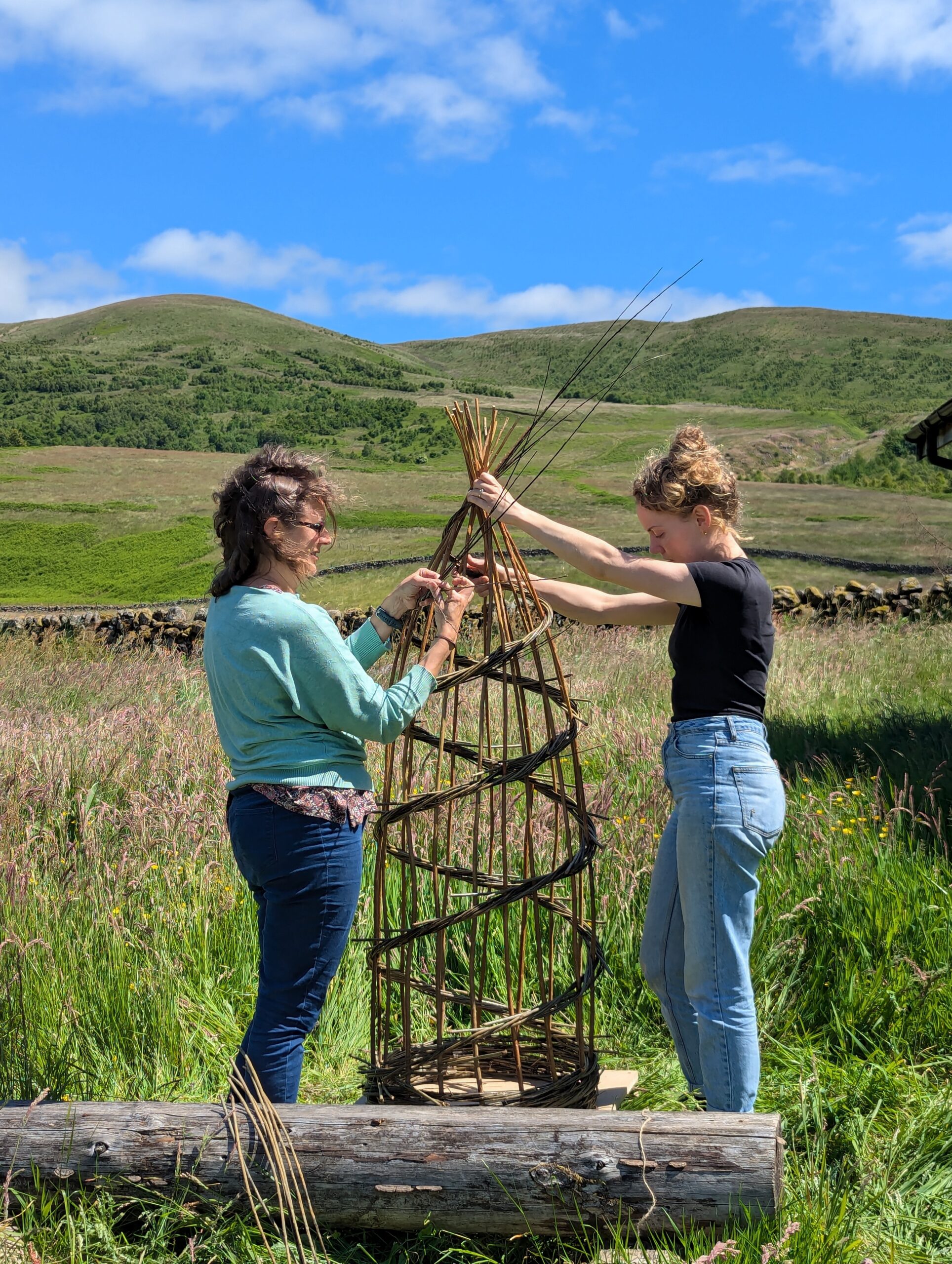
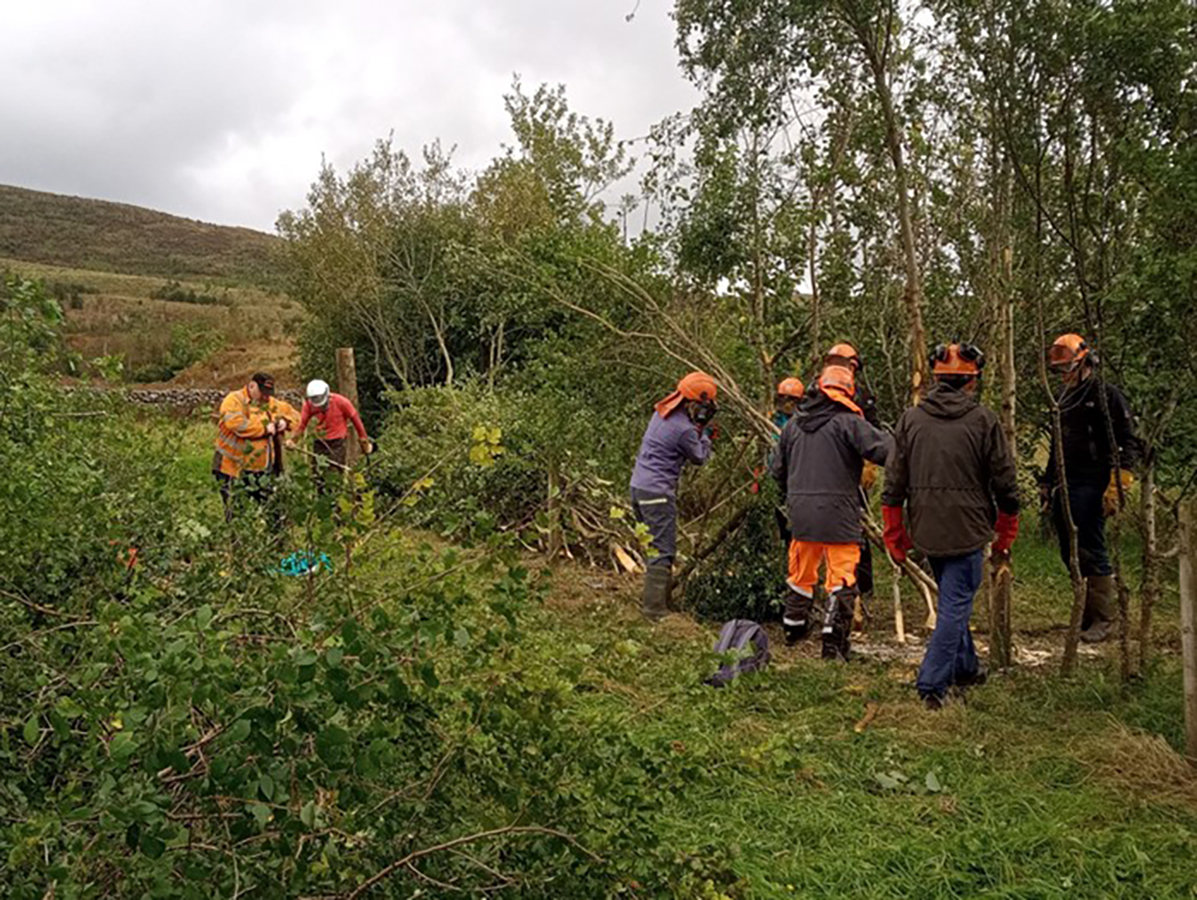
Nature workshops at Corehead have covered a wide range of topics, from wildlife identification and habitat management to woodland ecology and the importance of native species. Led by staff, volunteers and specialist partners, these events provide opportunities for participants to learn new skills while experiencing the landscape. Previous rural skills workshops included scything, willow weaving, drystone dyking, hedge laying and orchard management.
For BFT, these workshops are about more than sharing knowledge. They help foster a sense of stewardship and belonging, enabling people to build lasting connections with the landscape and each other. The learning opportunities offered ensure that the recovery of the landscape is accompanied by a growing network of people with the knowledge, skills and enthusiasm to support its future.


The Wild Heart demonstrates that restoring landscapes is about far more than recovering habitats and species. Each new discovery, whether uncovered through excavation, revealed in tree rings, expressed through art or shared through practical learning, adds another layer to our understanding of this remarkable landscape. Together, these different perspectives show that the Wild Heart is not only a place of nature recovery, but also a living landscape rich in history, culture and community, where the stories of the past continue to inform and inspire its future.
This project is supported by funding from the National Lottery Heritage Fund, Fallago Environment Fund and other funders.