In 1809, a sales pitch was made for an iron railway between Berwick and Kelso. It argued there were large profits to be made from moving substantial quantities of coal and lime from coal-bearing districts nearer the coast to the largely agricultural Tweed valley. Coal was in high demand for industrial and domestic use, while lime was needed for building, and to ‘sweeten’ the soil for growing more crops.
The coal pits and lime works were at Shoreswood and Allerdean, just to the south-east of Norham (the area known as the ‘North Bishopric of Durham’ or Norhamshire). The proposed railroad would proceed initially from Berwick to Norham on the south side of the River Tweed to load coal and lime. The second part of its journey from Norham to Kelso would be on the north side of the Tweed, to arrive at its destination in Kelso – in Simon Square, or Coal Market as it is also known.
An Act of Parliament in favour of this Berwick to Kelso Railway was given Royal Assent in 1811, and a Berwick & Kelso Railway Company was set up in 1836.
The earliest proposals were for the wagons to run on iron rails, but did not involve the use of steam-driven locomotives. The wagons were to be pulled all the way by relays of horses – for the simple fact that steam locomotives were only just being invented!
The York, Newcastle & Berwick Railway Company built the line up from Newcastle to Tweedmouth and the branch line from Tweedmouth to Mellendean. The latter finally opened for business in July 1849. Meanwhile, the North British Railway Company completed the line down from Edinburgh to St Boswells and onwards to Maxwellheugh in the same year.
However, the two apparently unco-operative railway companies initially left a gap of some two miles between their terminal points at Wallaceneuk and Mellendean! It took another two years for the two companies to finally join up their tracks, right at the point where the parishes of Sprouston and Kelso meet.
Little of note is recorded about the subsequent history of the Tweedmouth to Kelso line until Dr Beeching came along. The Beeching Report of March 1963 effectively killed off the line, along with many others. He estimated the Tweedmouth to Kelso line to be losing £58,000 each a year – equal to about £1.5m per annum today. The line was closed to passenger traffic on 15 June 1964 and to goods traffic the following spring.
In 2015, fifty years after the 1965 closure, Councillor and Kelso Heritage Trustee Harry Tomcyzk was calling for the reopening of the line. What larger and more worthwhile project could there be in the Anglo-Scottish Borders today than the reopening of its railways? What was easily accomplished in 1849 can surely be even more easily accomplished today.
This story was submitted from the collection of David Welsh, a local historian and River Tweed enthusiast, to encourage discussion on the communities of the Tweed and their impact around the world. If you have any more information on this story, please get in touch with us at info@destinationtweed.org so we can add to the story of the river.
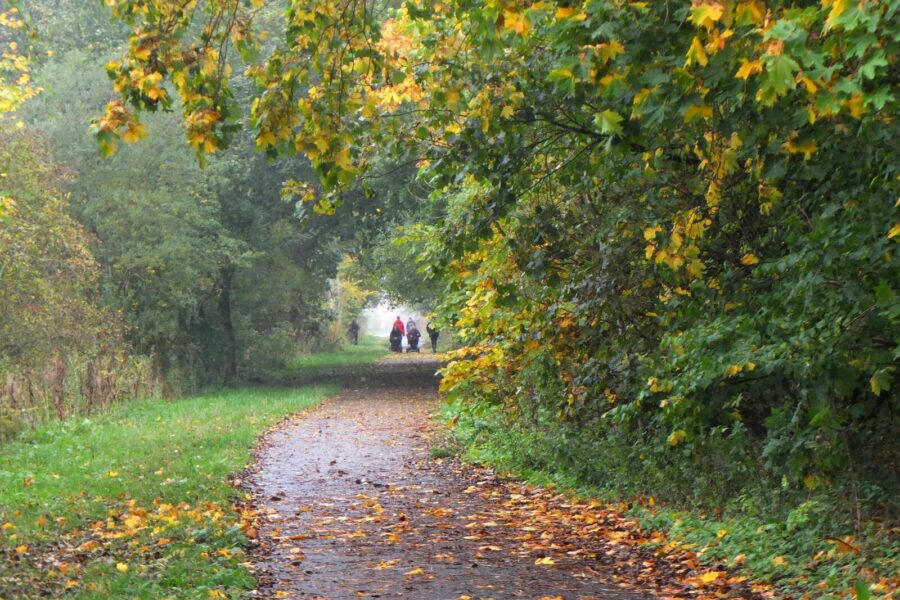
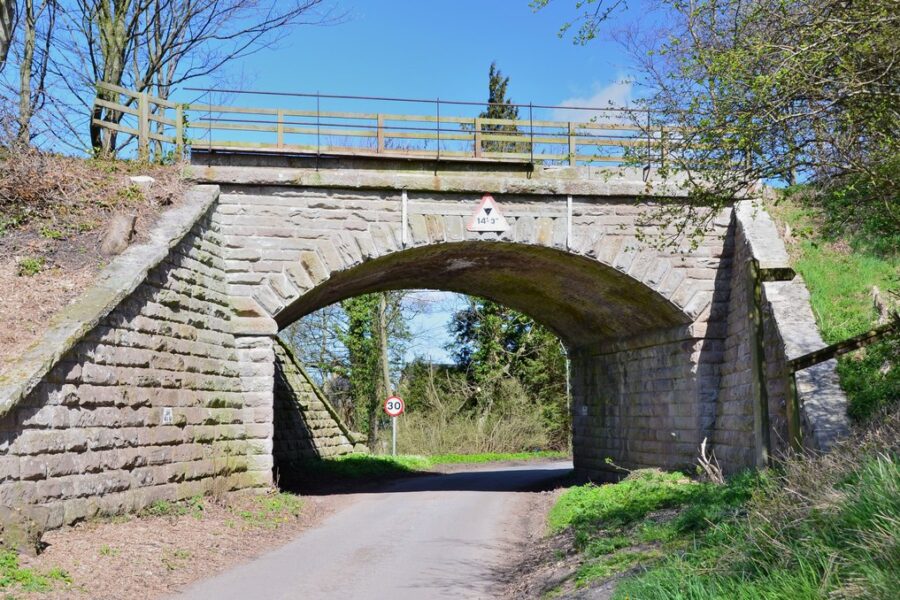
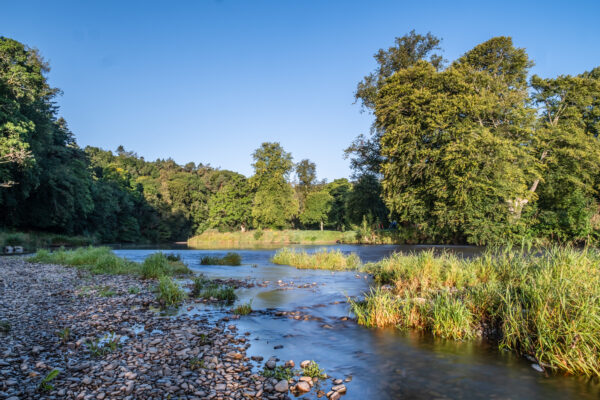
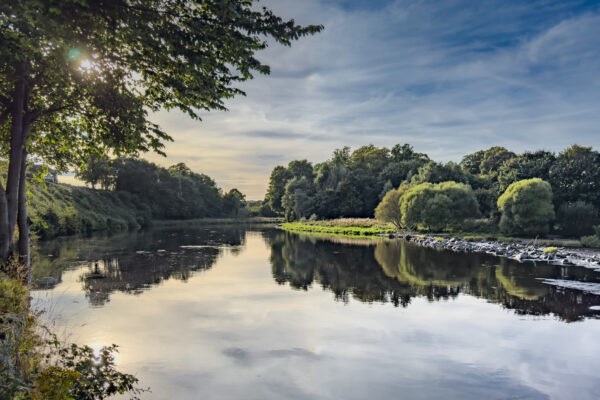
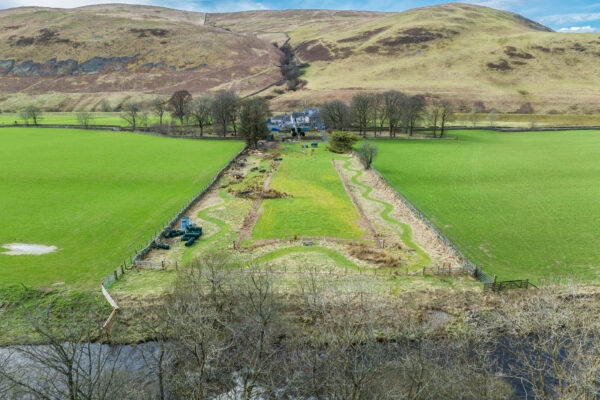
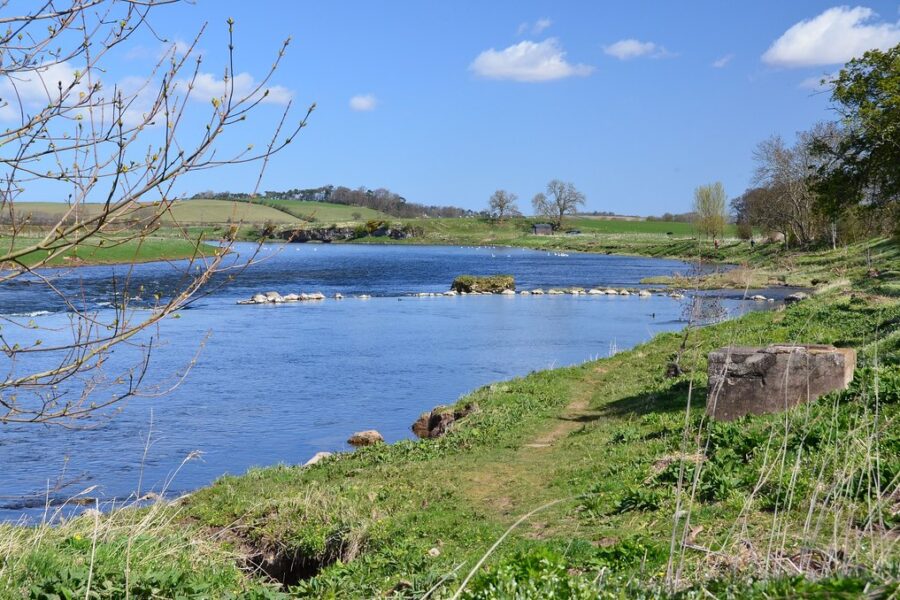
Images: Images © Jim Barton (cc-by-sa/2.0): The Tweed at Sprouston, geograph.org.uk/p/3438777; Part of the former railway line from St Boswells to Berwick, now a surfaced cyclepath linking Kelso and Sprouston, geograph.org.uk/p/6640305; The old railway bridge at Sprowston now carries a path from Kelso, geograph.org.uk/p/3438719.