Harnessing nature: Using rust fungus to control Himalayan balsam
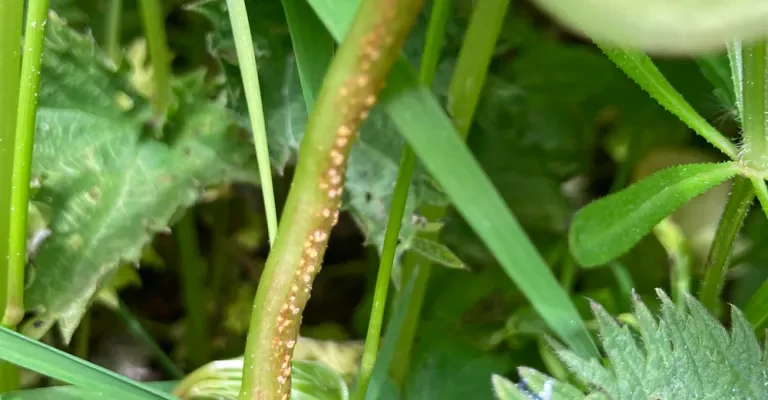

Himalayan balsam is a stubborn invasive species growing in the Tweed catchment. Since 2016, Tweed Forum, as part of a wider environmental project, has been trialling a specialist rust fungus as a biological control, with the aim of weakening Himalayan balsam and providing a sustainable, long-term tool for managing its spread.
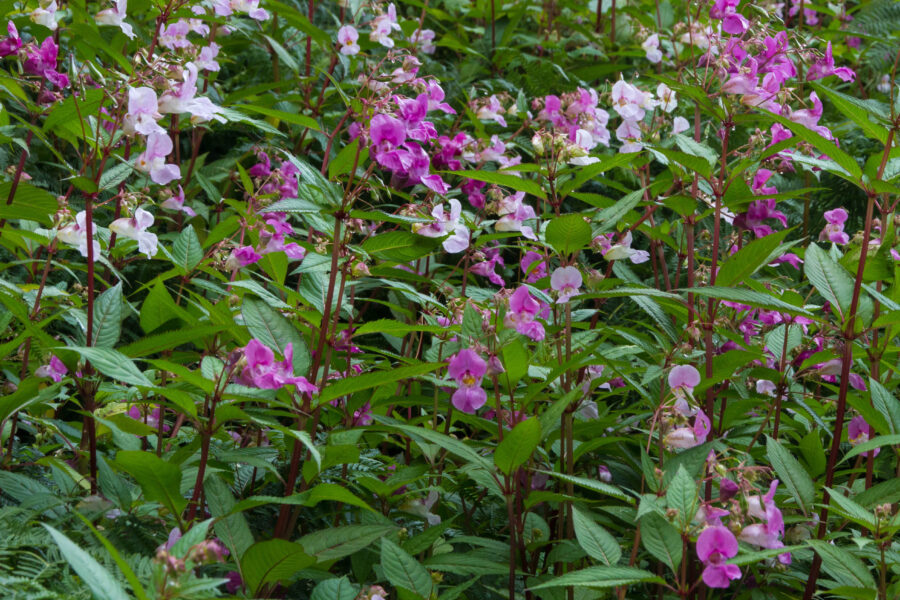
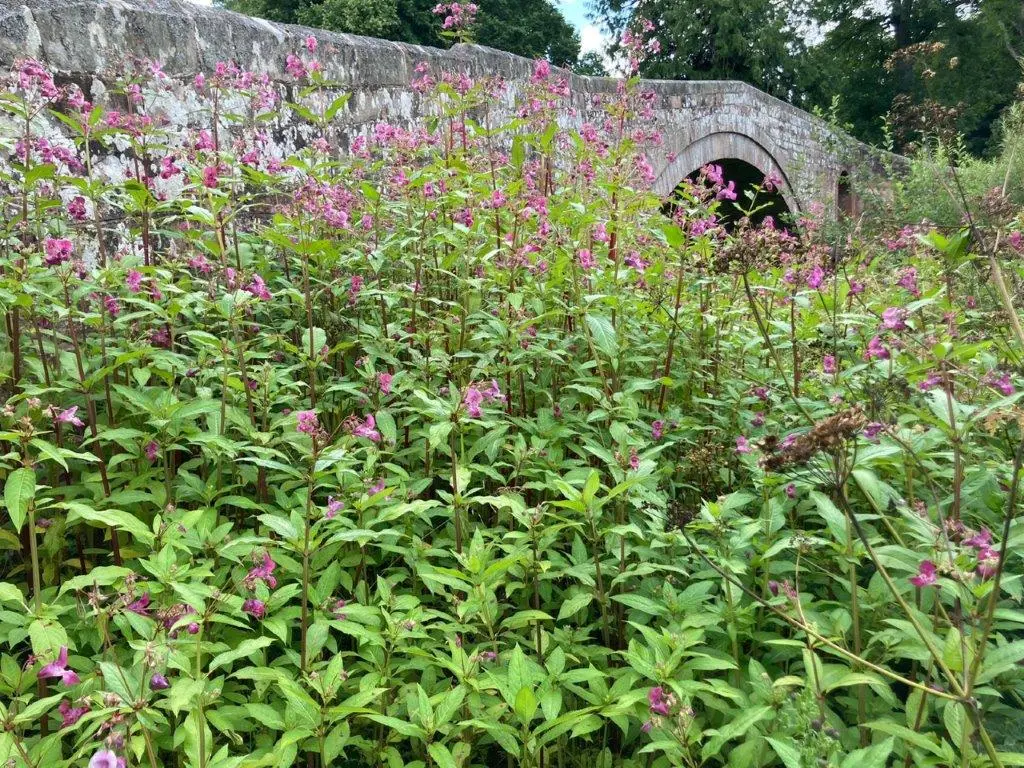
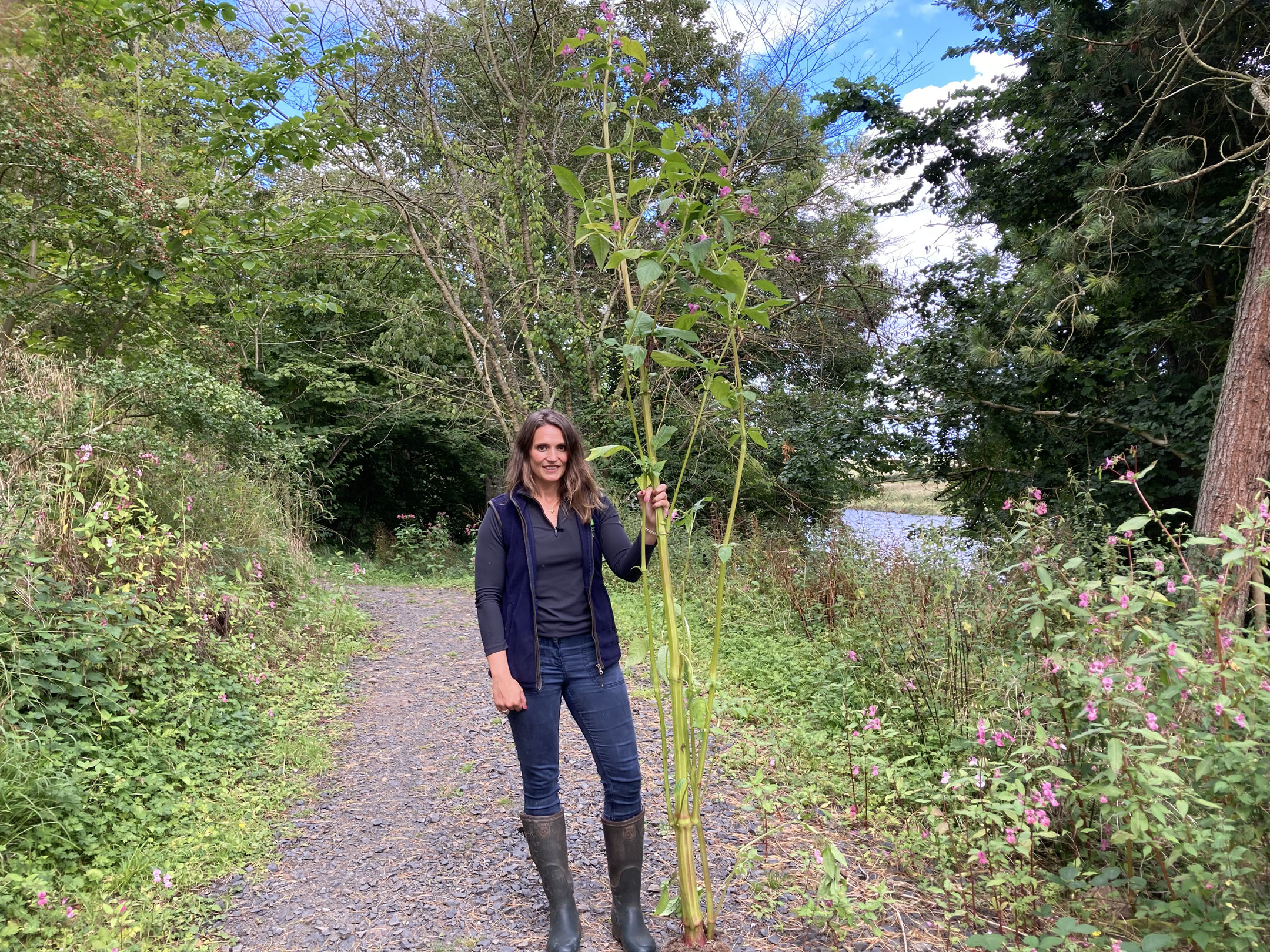
Himalayan balsam (Impatiens glandulifera) is a tall, attractive, annual herb with explosive seed heads, but behind the flair of its distinctive pink flowers lies a significant ecological problem.
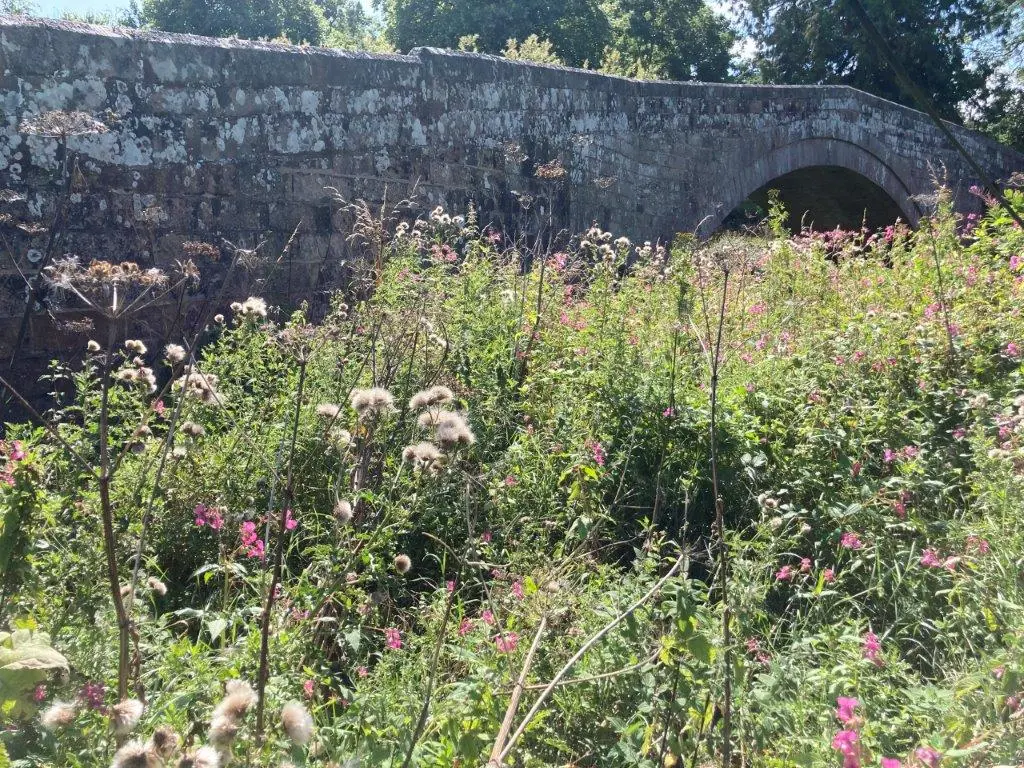
Tweed Forum has been tackling Himalayan balsam for many years through a combination of hand-pulling, chemical treatment and the efforts of volunteers across the catchment. The challenge is that the plant can spread rapidly, forming dense stands that outcompete native vegetation for space, light and nutrients damaging biodiversity along the river. When these stands die back during winter, they can also leave riverbanks exposed to erosion.
Since 2016, Tweed Forum has been working with CABI (Centre for Agriculture and Biosciences International) to investigate a very different approach: using one of Himalayan balsam’s own natural enemies to help keep the plant in check.
The biological control involves the rust fungus Puccinia komarovii var. glanduliferae, a pathogen collected from the plant’s native range and carefully tested to ensure that it specifically targets Himalayan balsam rather than native, crop or horticultural plants. It was approved for release by Defra in 2014.
Rather than attempting to eradicate Himalayan balsam completely, the aim is to reduce its vigour and ability to dominate riverbanks, allowing native vegetation to recover. If the fungus can establish and become self-sustaining, it could provide a valuable long-term addition to the methods already being used to manage Himalayan balsam across the Tweed catchment.
Utilising Rust Fungus
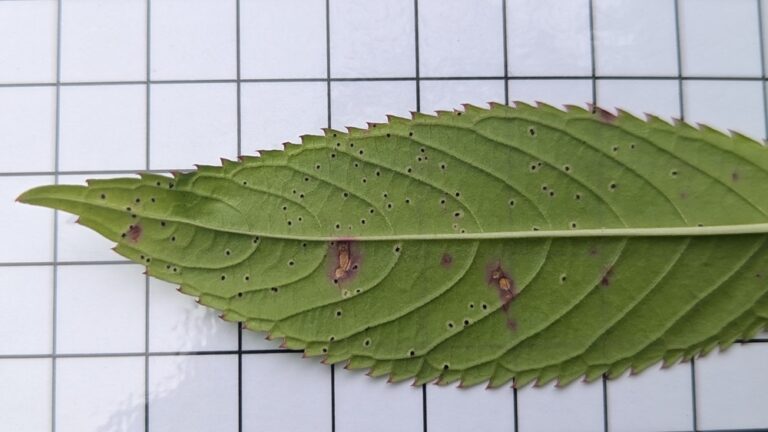
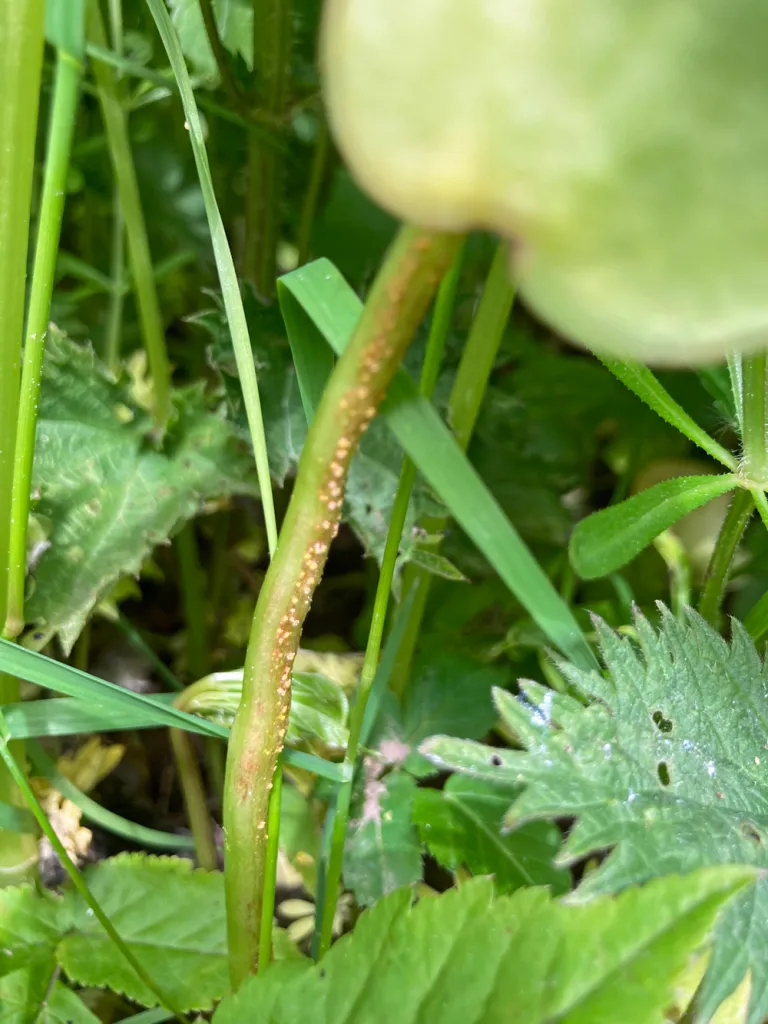
Encouraging progress is being made in the use of rust fungus as a biological control for Himalayan balsam. This year, infection was found in seedlings at all four monitoring sites, as well as at the three original sites on the River Till. This is particularly positive as previous overwintering success at sites on the River Tweed had been lower than hoped.
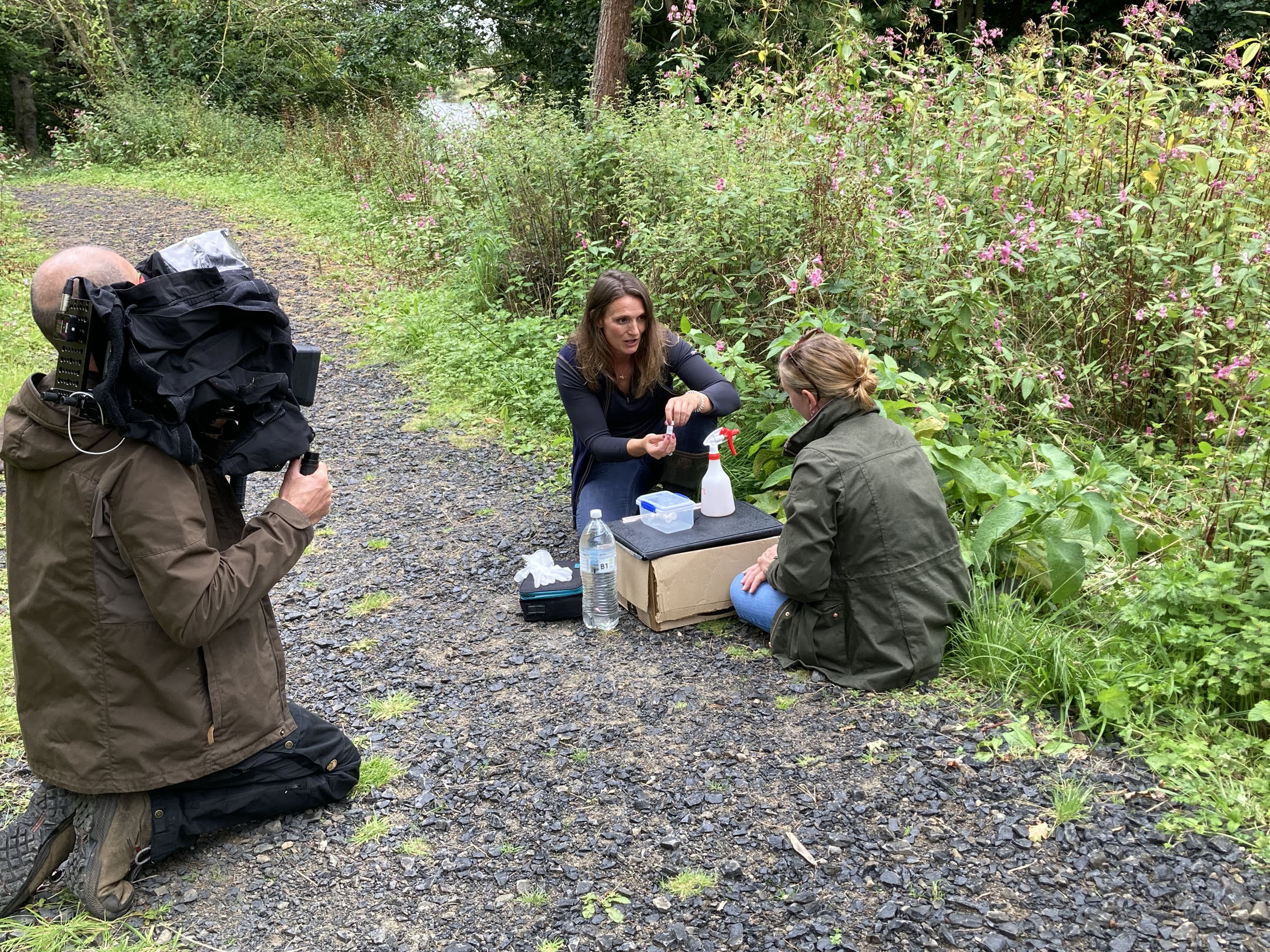
To inoculate Himalayan balsam plants with the rust, the current method typically involves spraying leaves with a solution of water, a surfactant, and rust spores. This year, rust was not available. Instead, the project team produced their own inoculum using spores collected from already infected plants, which were mixed with a surfactant and water. This inoculum was then used to treat a new 6×6m area of Himalayan balsam plants of the same genetic strain. The site will be monitored, and we will await spring results to see if overwintering has occurred. Establishing a rust population that can successfully overwinter and sustain itself is an important step towards developing a long-term, natural way of reducing the dominance of Himalayan balsam and giving native vegetation more opportunity to recover.
For more information on the wider project visit: https://www.cabi.org/projects/biological-control-of-himalayan-balsam/.
The INNS project was made possible by funding from multiple funders including National Lottery Heritage Fund Scotland, Fallago Environment Fund and the LIFE WADER project.