Invasive Non-Native Species
Over 2,000 non-native plants and animals have been introduced to Britain from all over the world, most are harmless and integrate into the ecosystem. 10-15% of these species spread and become Invasive non-native species (INNS). These species can harm our environment, wildlife and even humans. INNS are one of the top five drivers of biodiversity loss globally, costing Britain’s economy nearly £1.9 billion a year.
Tweed Forum have been tackling several INNS in the Tweed catchment for over 20 years. The Tweed Invasives Project began in 2002 in response to strong public demand to tackle giant hogweed and, since then, it has become one of the largest and most successful of its kind in the UK, covering the entire 5000km2 Tweed catchment.
Invasive Non-Native Species is led by Tweed Forum.
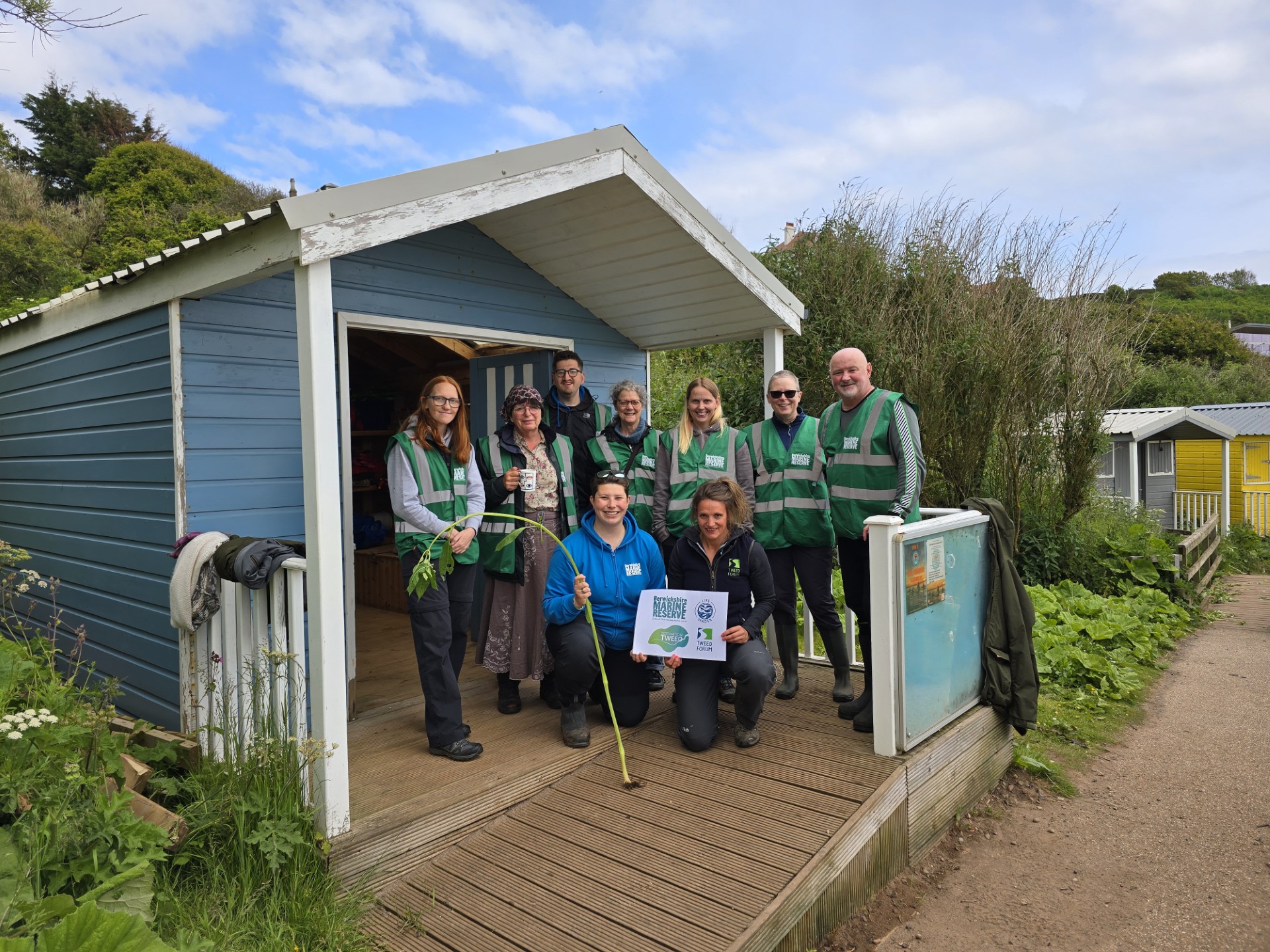
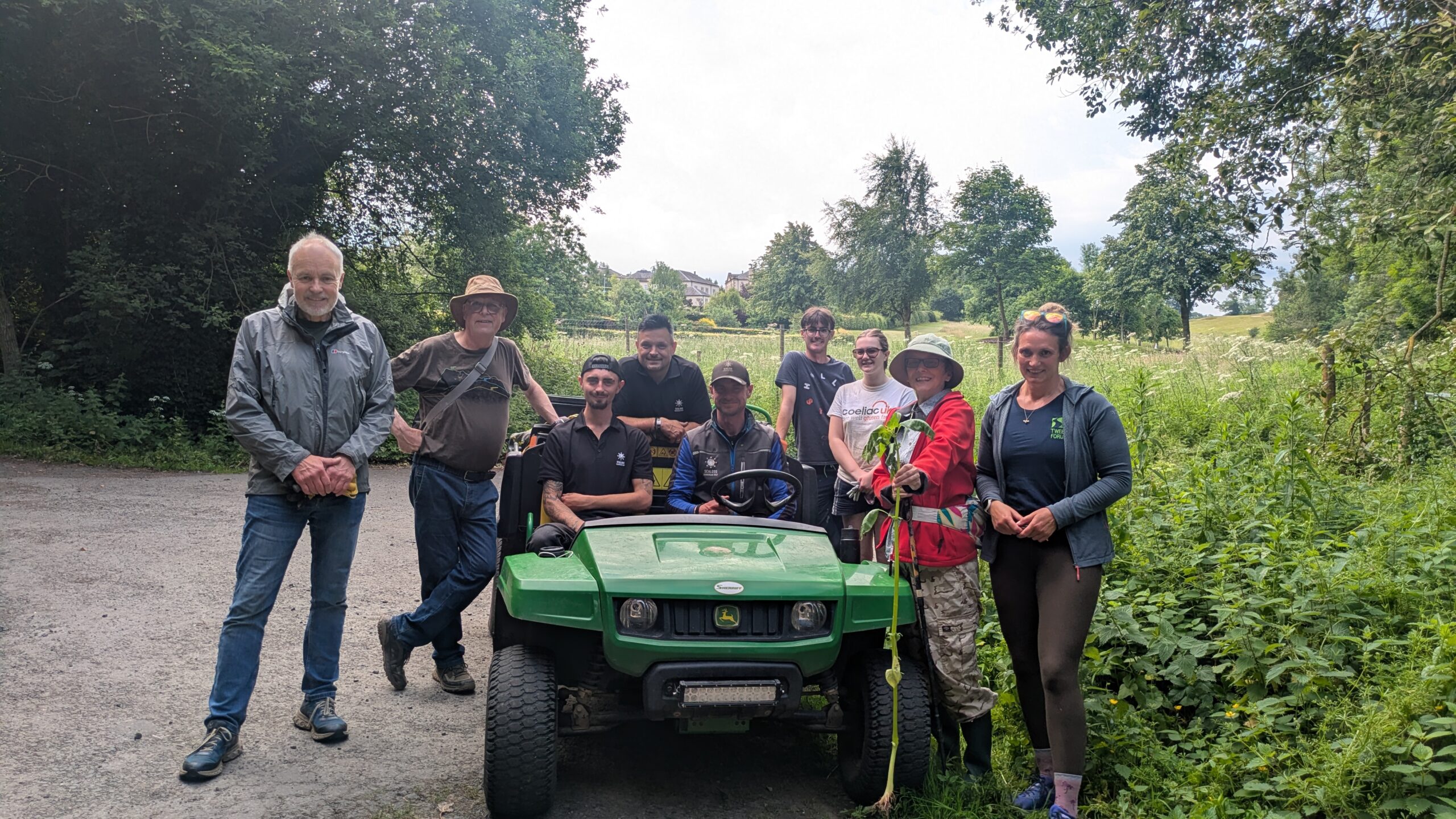
Tweed Forum has unveiled an ambitious new Biosecurity Plan for the River Tweed (2026–2031), setting out how organisations and communities will work together to tackle the growing threat of invasive non-native species across the catchment.
The new plan provides a coordinated, cross-border framework focusing on prevention, early detection, rapid response, and long-term control, which aims to limit the spread of harmful invasive species such as Japanese knotweed and giant hogweed. Citizen science and community action play a key role, with initiatives like Check, Clean, Dry encouraging responsible river use.
Emily Iles, Tweed Forum’s Invasives Project Manager, emphasised that “a healthy river system supports wildlife, communities and local economies,” adding that collaborative action is essential to safeguard the Tweed for future generations.
Through Destination Tweed, we’re supporting Tweed Forum’s ongoing work to tackle invasive non-native species.
Our project aims to increase the co-ordination of strategic and sustainable approaches to INNS management across the catchment empowering communities to identify species and report finds, as well as preventing new species from establishing in the catchment. Preventing new INNS infestations is the least environmentally damaging intervention, particularly in aquatic environments where control and eradication are challenging.
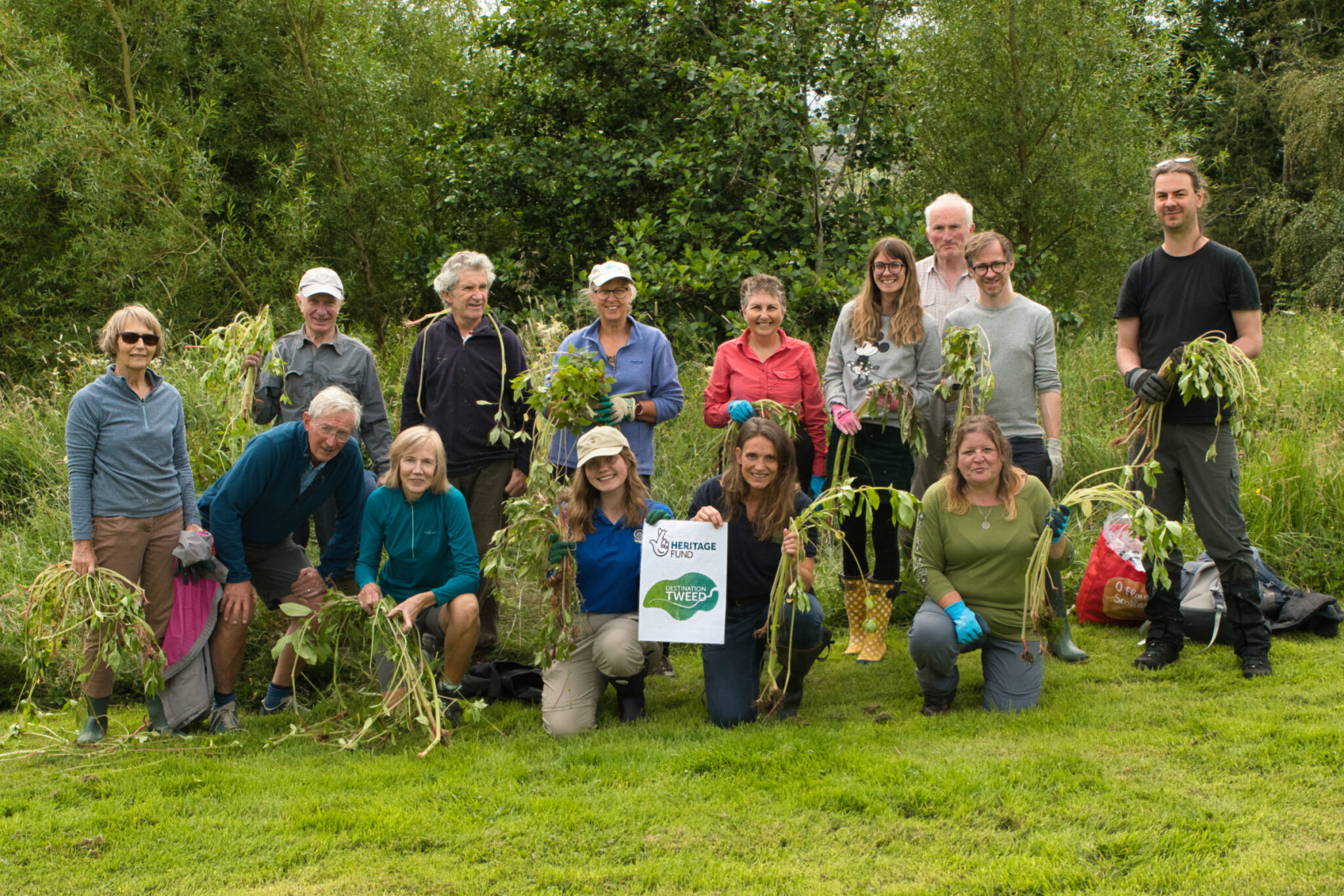
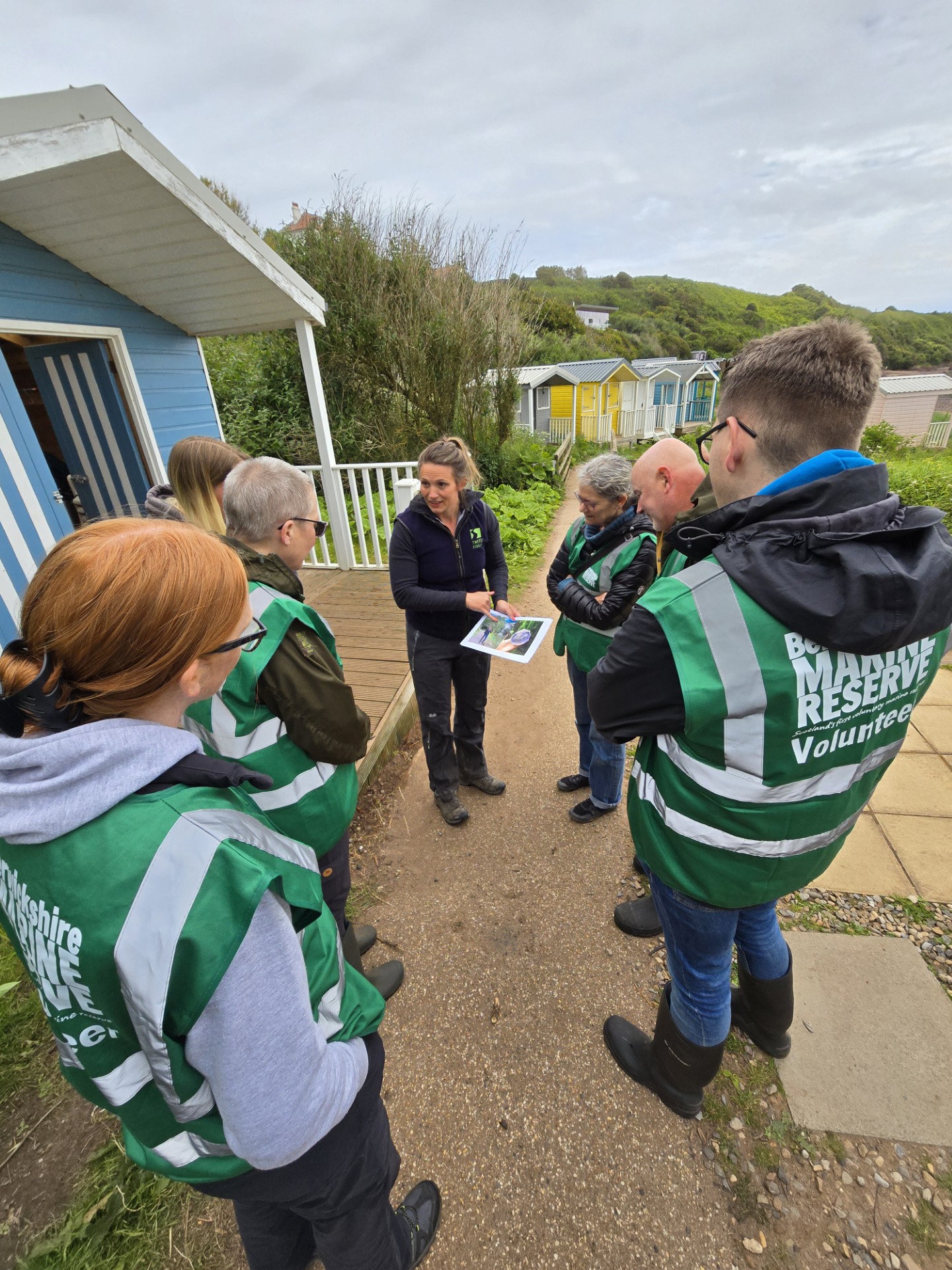
Building on over 20 years of investment and working with various stakeholders, the large-scale INNS control programme as part of Destination Tweed will give volunteers the opportunity to get involved in surveying, data gathering and direct control of these target species.
Learn how you can help to spot and record these invasive species in your local area below.
Species
The project targets five main species as listed below, with more detailed descriptions available on the Tweed Forum website.
-
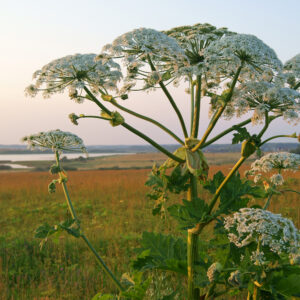
Giant Hogweed
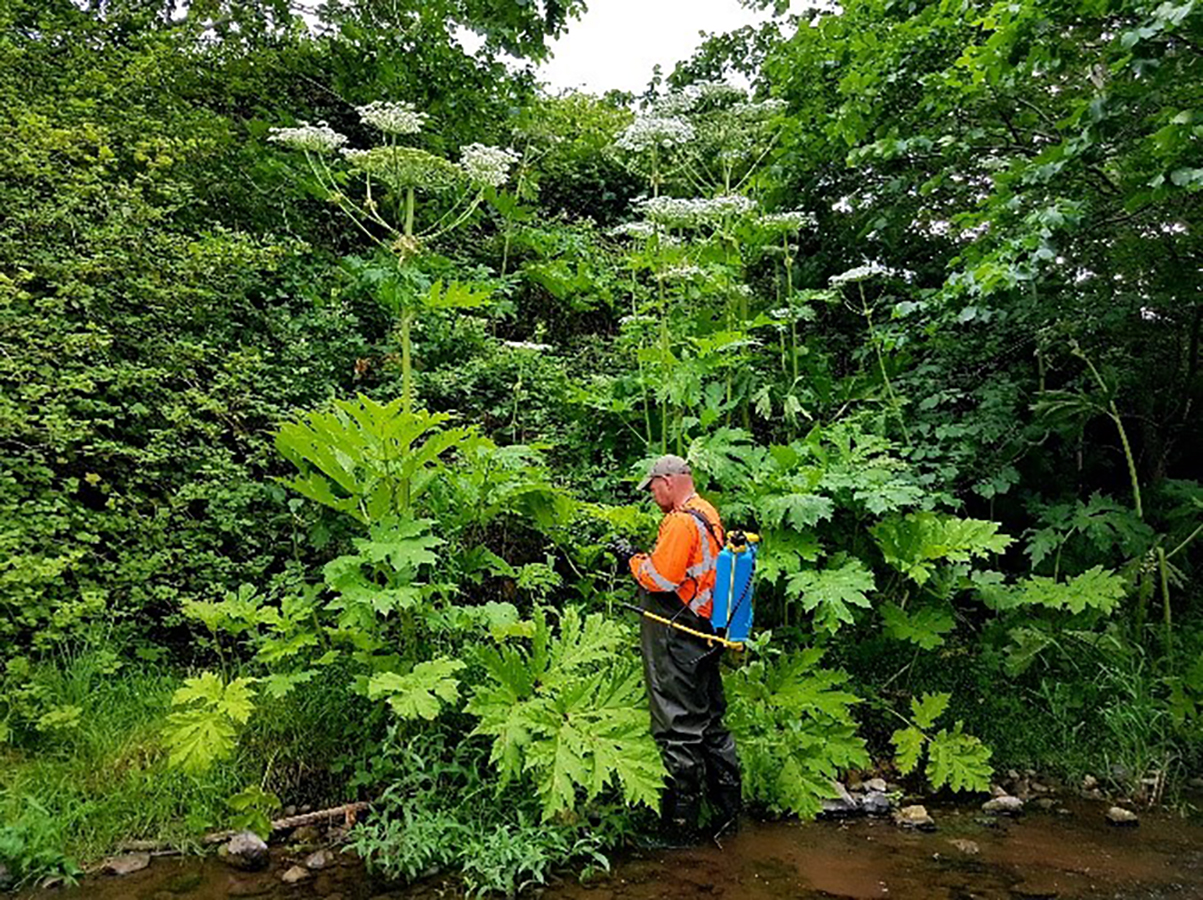
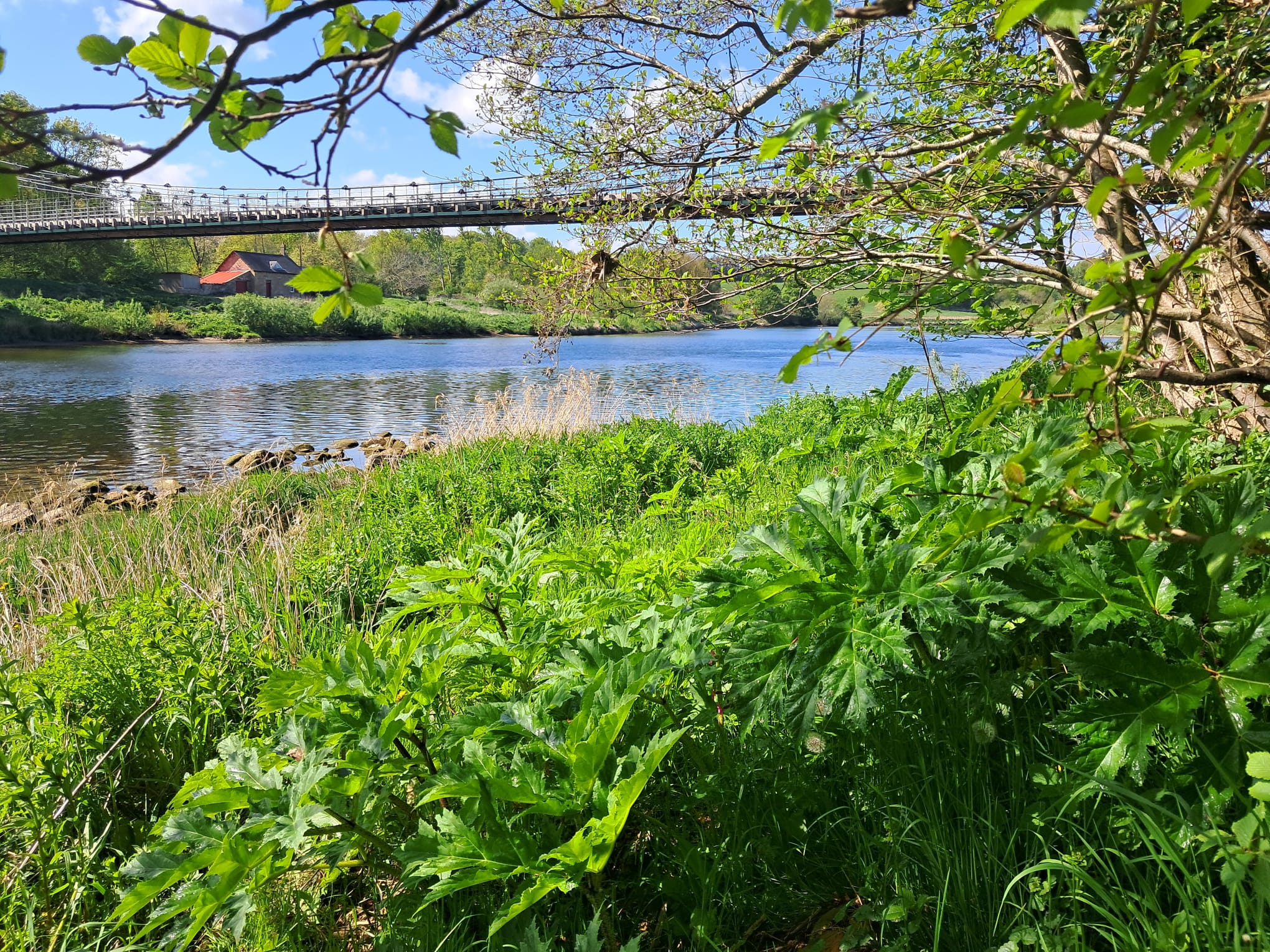
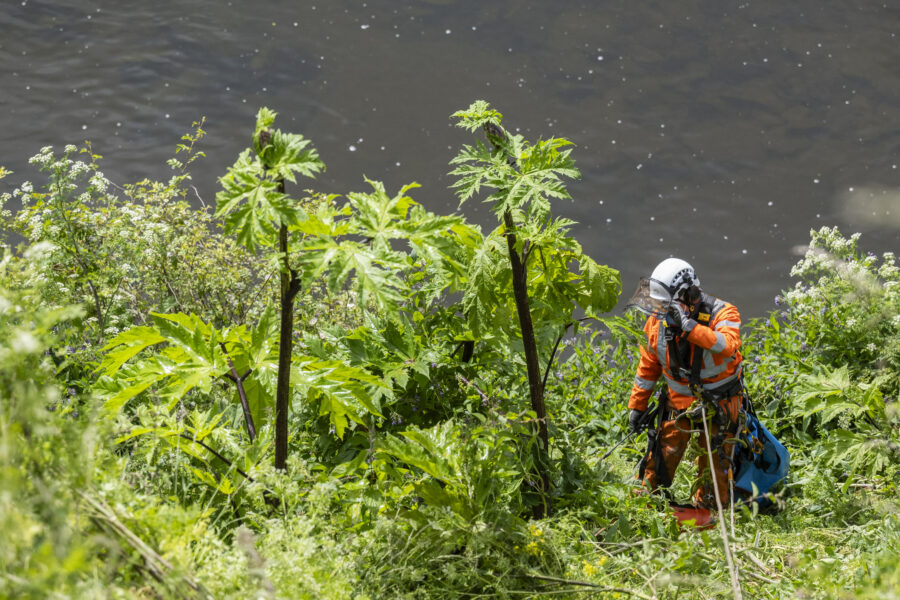
Easy to identify when fully grown by height, size of leaves and size of flowers. All parts of the plant contain chemicals called furanocoumarins which pose a risk to human health. When in contact with human skin and in the presence of sunlight, these chemicals cause severe burns and blistering.
-
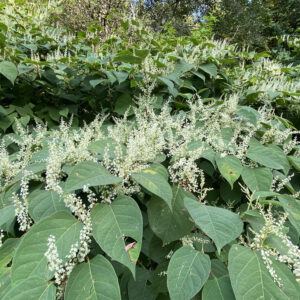
Japanese Knotweed
Japanese knotweed is a tall herbaceous perennial with bamboo-like stems. Capable of exceptional growth rates and can form dense ‘stands’. This species out-competes native flora and when found in urban areas can grow through concrete and building structures!
-
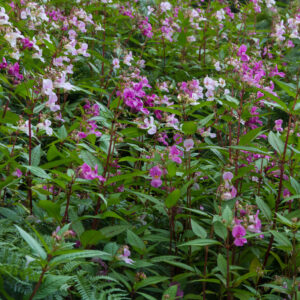
Himalayan Balsam
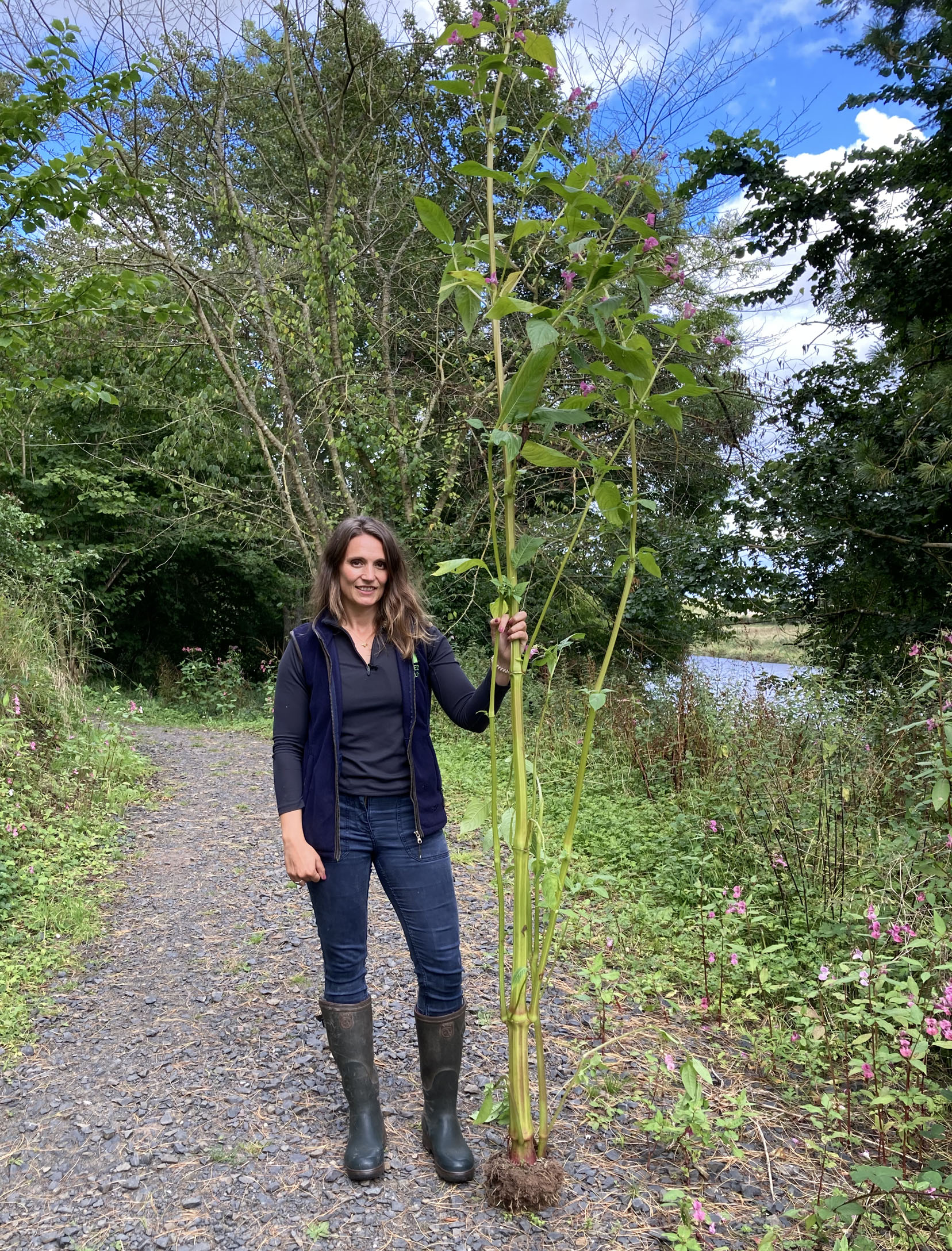
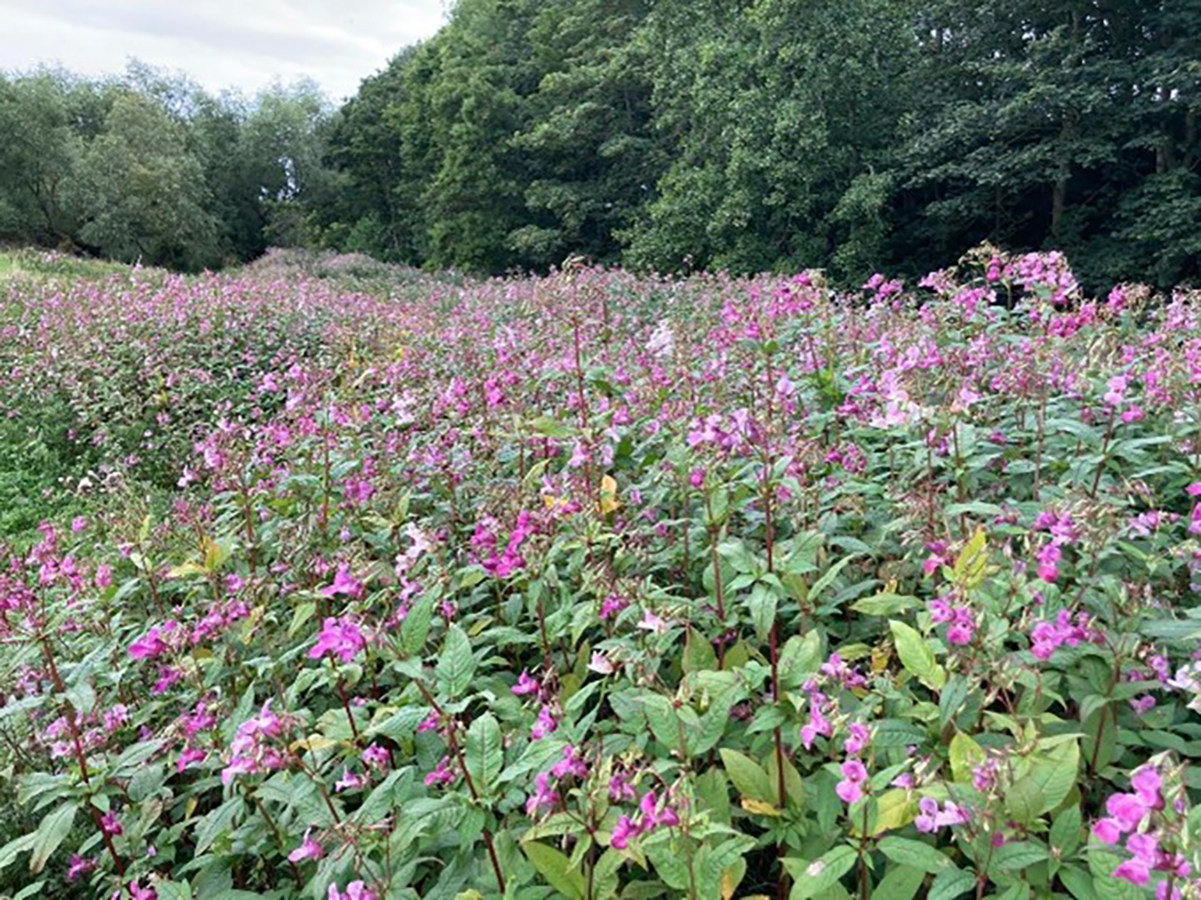
Himalayan balsam is a tall, attractive, annual herb with explosive seed heads. Although easy to identify as a mature plant with its pink-purple flowers, fleshy stem and characteristic leaves – the seedlings and last year’s dead stems of this annual are more difficult to spot.
-
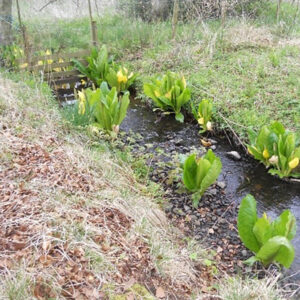
American Skunk Cabbage
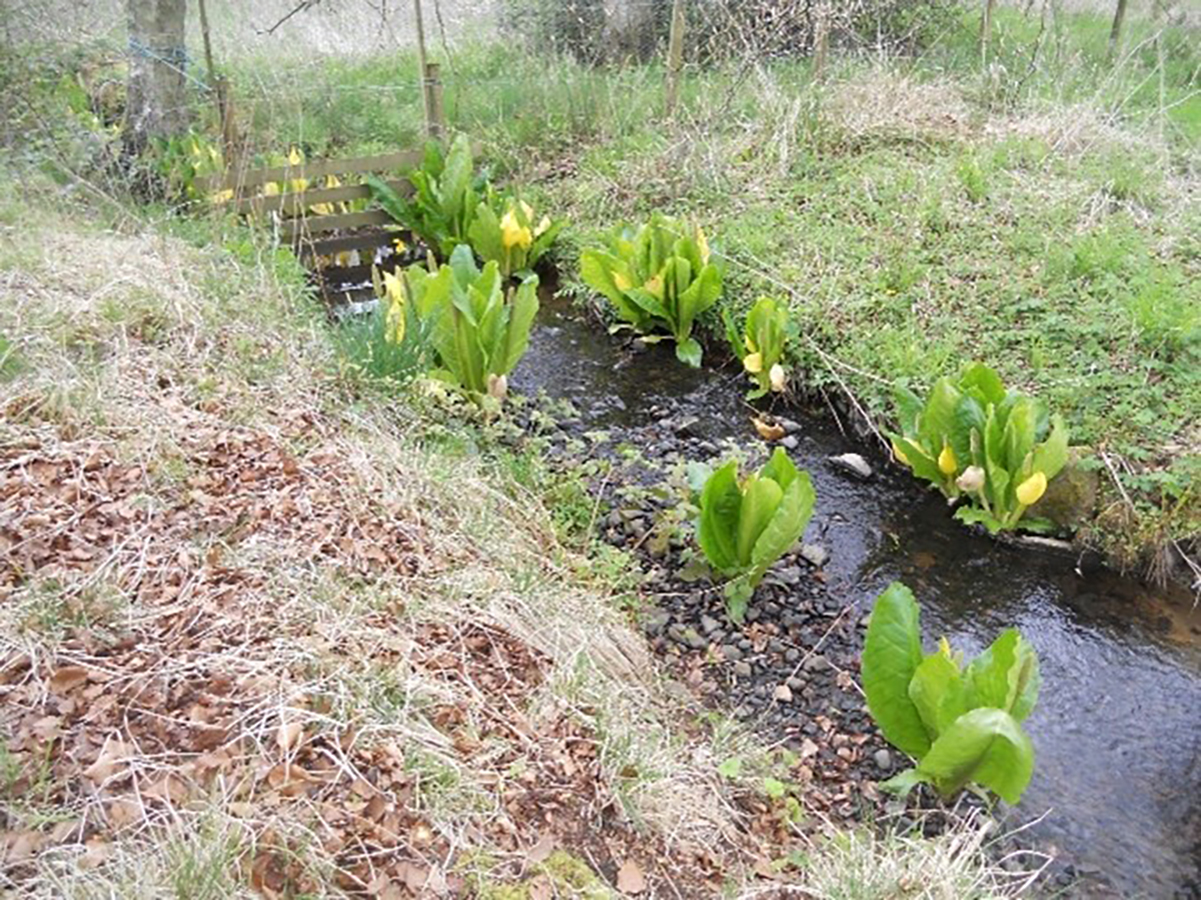
American skunk cabbage produces bright yellow flowers in early spring and can reach up to 1.5 m in height. It forms dense stands, in boggy areas, which can smother native vegetation.
-
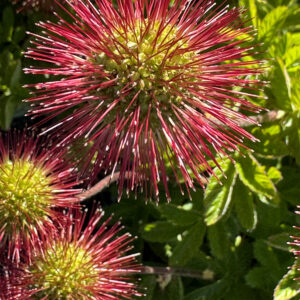
Pirri-pirri-bur
Occurs within a wide range of habitats, including woodlands, shrublands and grasslands, from coastal areas to alpine areas. It grows in freely draining soils such as silty and sandy loams, typically on sites which receive a high amount of sunlight.
From invasive species hotspots to recovering natural habitats, these before-and-after images highlight the progress being made through Tweed Forum’s Invasive Non-Native Species Project and the benefits for nature along the River Tweed.
-
Before
After
South bank of the Tweed upstream of Norham Bridge was overgrown with Giant Hogweed. Now there is increasing tree cover and vigorous tall perennial growth with no new colonisation of Giant Hogweed found in the latest 2026 survey.
-
Before
After
On the south bank of the Tweed near Horncliffe, Giant Hogweed was the target species. No Giant Hogweed or other non-native species were found in the latest survey.
Sightings Contact Form
You can play an important part in tackling these invasive plants!
If you see any of these species in the Catchment, please report them to us using this form and include as much information as possible on species type and location.
Visit the Tweed Forum website for more information about the project and the species we aim to tackle.
tweedforum.org