Archives
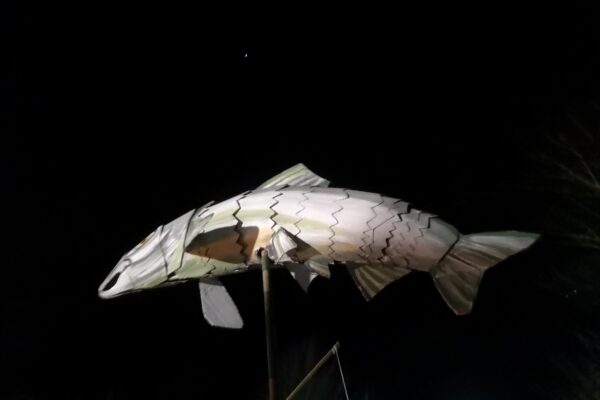
A Catch, a Carving, and a Homecoming
One of the largest salmon ever caught on the river Tweed was landed at the Boathouse Pool, Northumberland on October 21st 1922. It was 51 and a 1/2 lbs! Shortly after, renowned Scottish woodcarver John Tully (1862-1931) of Fochabers was commissioned to create a detailed carving of the fish for Dr E. T. Fison. The […]
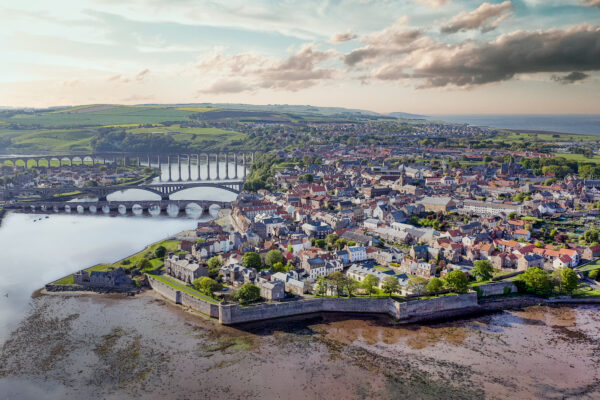
Coxon’s Tower, Berwick walls.
When I was six my parents bought me a scarf in the Ross tartan which was our family surname. I was very proud of it. As usual, when we were on our annual summer holiday staying on Wellington Terrace, Berwick we set off the walk the walls. Although it was windy we decided to enjoy […]
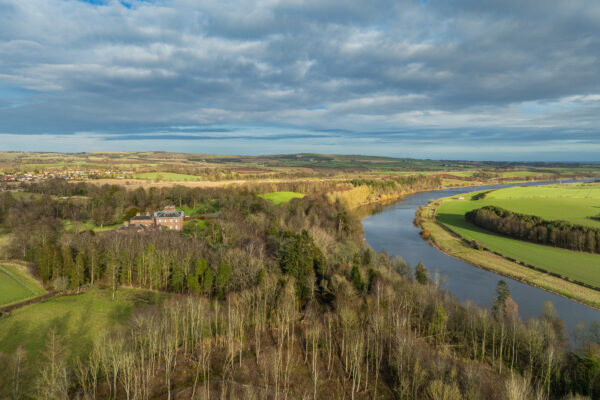
The salmon that got married
I was married in 2004 at Paxton House next to my beloved River Tweed (to a man in a tweed kilt!). My father, who was a keen fisherman but a very emotional man, felt he couldn’t do a speech, so my two brothers took on the task. They began by explaining that it was entirely […]
More tales from our youngest contributors!
Weary walkers at Berwick Karran from Cumbria took The Long Walk to explore Berwick’s ramparts and Hazzer drew it for us. (We think it must have been very hard work!) Seaside memories at Berwick and Tweedmouth Another contributor remembers having had ‘many fun days at the beach’ here. We all like to be beside the […]
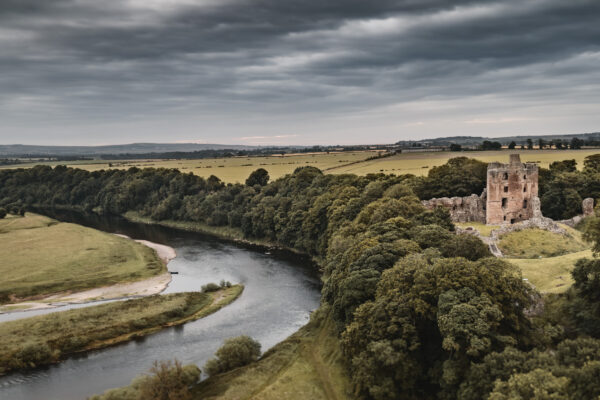
Fishy tales from Norham folk
A salmon or two The granddaughter of George “Keyhole” Purvis remembered never being able to enjoy a relaxing soak when staying with him at Horncliffe, because the bath was always full of fish! Apt then that George named his memoir “A salmon or two” Up the river without a paddle Great Uncle Thomas lost an […]
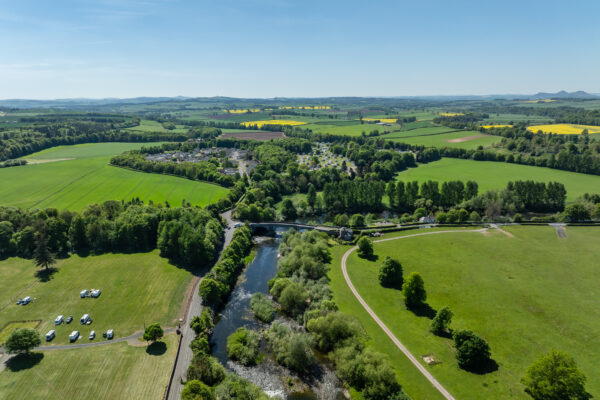
Appreciating the view
In the car from Cornhill-on-Tweed I love driving this piece of road on my way to Kelso. The river view is beautiful. Dream home beside the Union Chain Bridge The house I would love to live in is situated on the English side of the Tweed. When stood on the Union Chain Bridge, walking from […]