On 18 July 1883, the Border Advertiser reported on the funeral of 85 year old Esther Faa Blythe, Queen of the Gypsies, which had taken place the previous Sunday afternoon.
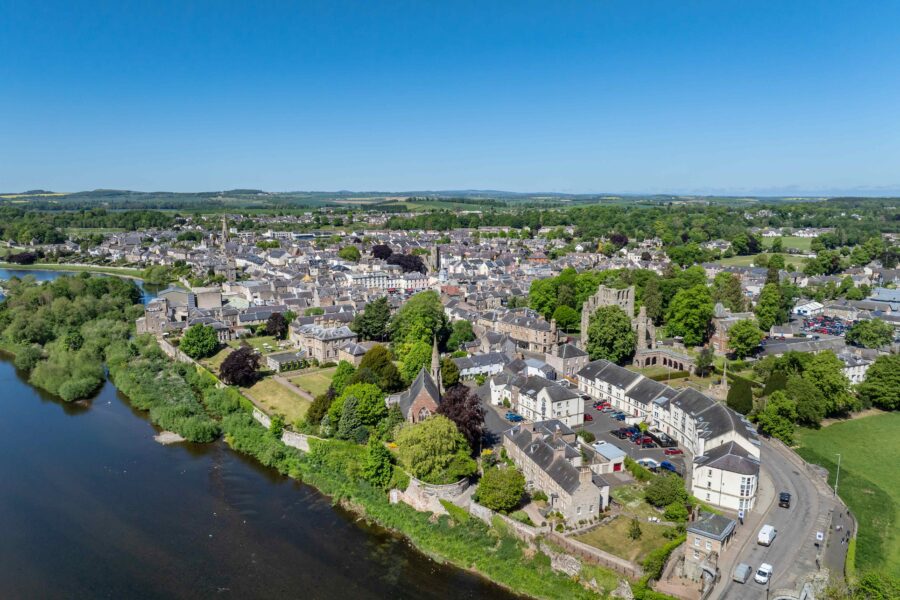
The paper wrote: Devotional exercises were previously performed in the house of the deceased in Horsemarket, Kelso, by the Rev G.S. Napier in presence of a number of relatives and one or two friends. The coffin… was covered with flowers and evergreens, including a wreath of white roses from Lady John Scott of Spotiswoode. When the procession moved off, the streets of the town on the way to Kelso Bridge were crowded with spectators, while a large number followed the hearse. There was a great crowd at Yetholm to follow the procession to the grave in the churchyard there.
The Queen had been a woman of great shrewdness. She usually resided in a tiled house in Kirk Yetholm but a year ago when repairs on ‘The Palace’ were deemed necessary she removed to Kelso, where she lived in a second storey room of a dilapidated house [‘The Castle’] at the foot of Horsemarket.
Esther… was born at Yetholm. She was the eldest daughter of Charles Blythe, who succeeded as King in 1847… By birth the ‘Crown’ devolved upon David Blythe, Esther’s oldest brother, but he waived his right in favour of his sisters. There then arose a dispute between Helen and Esther, the two sisters as to the succession, the result being that Esther became Queen, her Coronation taking place on her birthday November 19.
Long previous to this Esther had been married to John Rutherford, chief of one of the many Gypsy tribes. John died upward of thirty years ago and Esther was left with twelve children, eight of whom, five sons and three daughters, survive. For many years the Queen has been well-known on the Borders, her visitors frequently including members of the aristocracy. Only a few minutes before her death that day, a note of enquiry regarding her health was received from a Marchioness who for many years had taken an interest in the Gypsies.
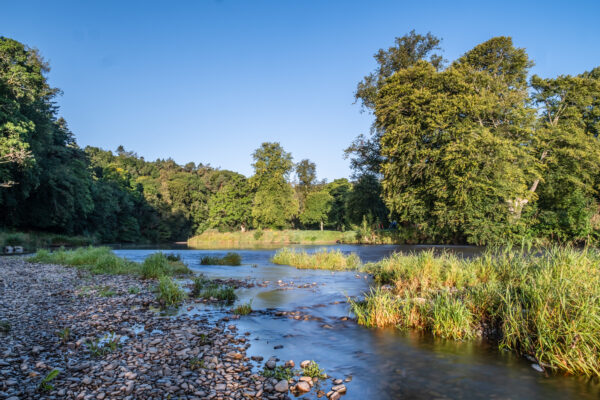
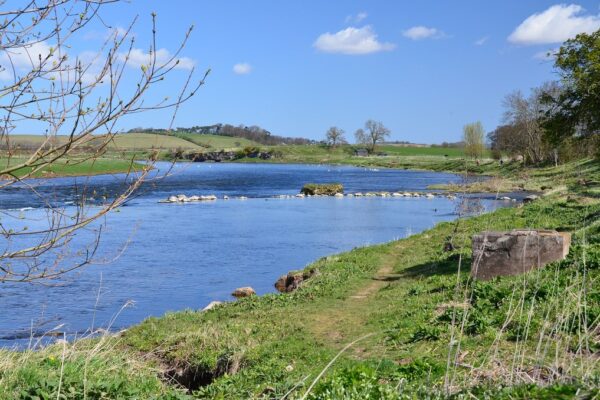
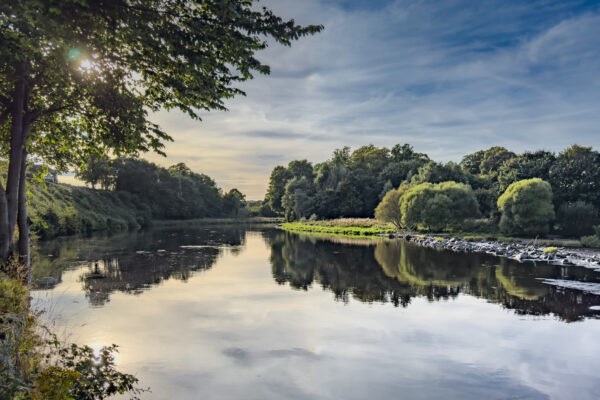
The track on English side of the River Tweed between Nottylees and Wark Common is known as ‘Muggers Loaning’, but definitely not because people got mugged along there. It’s because gypsies used to camp along this stretch, perhaps over the winter, and painted mugs to sell while they were there.
Find out more about the Muggers, their pottery, and the long association with gypsies around Yetholm in this fascinating blog by Historic Environment Scotland’s Stephen Robb: The blog.historicenvironment.scot/2022/10/the-gypsy-kings-and-queens-of-kirk-yetholm/.
We have used the word Gypsy in this story because this is how the community in Kirk Yetholm referred to themselves.
This story was submitted from the collection of David Welsh, a local historian and River Tweed enthusiast, to encourage discussion on the communities of the Tweed and their impact around the world. If you have any more information on this story, please get in touch with us at info@destinationtweed.org so we can add to the story of the river.