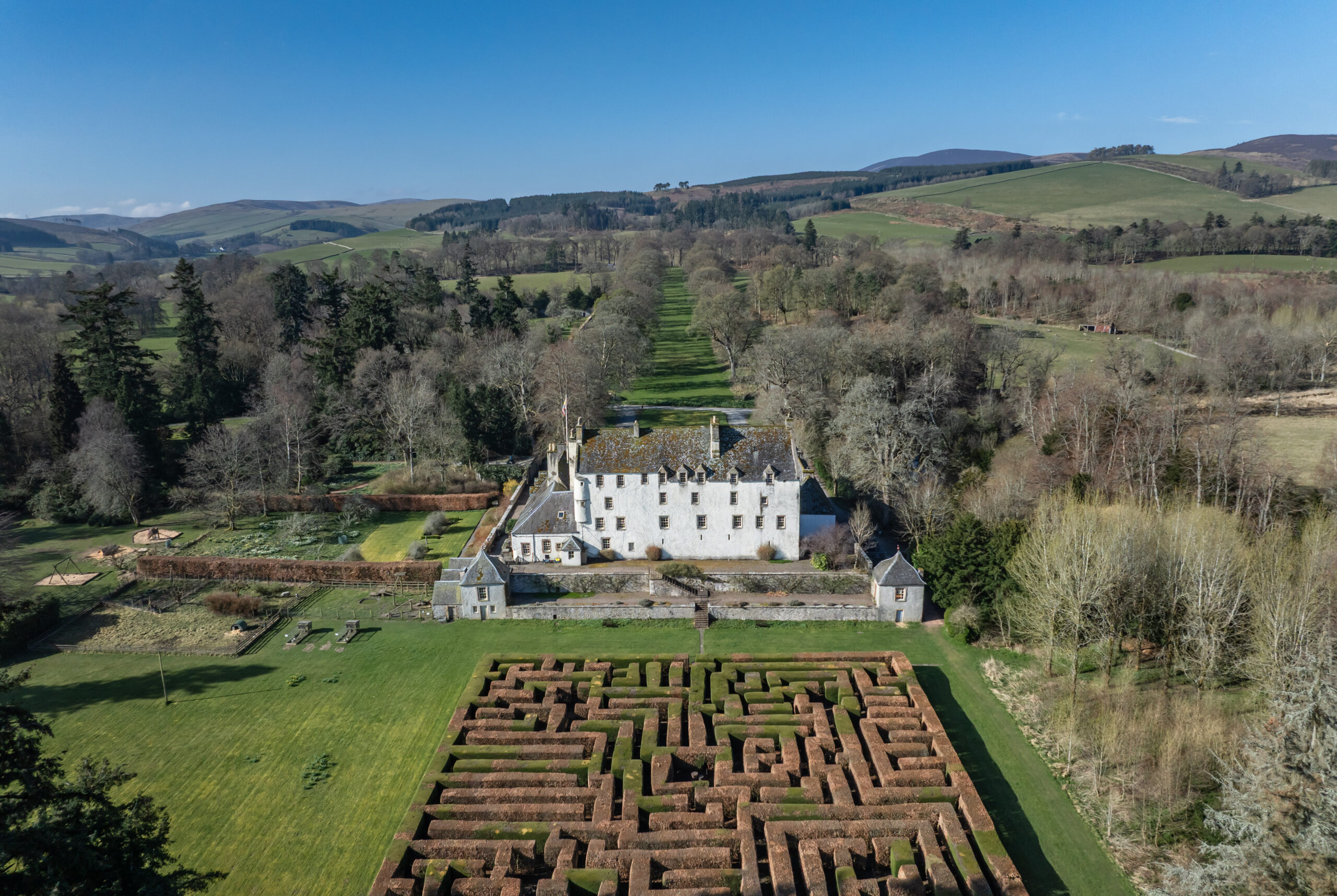
Garden cultivation in Scotland began in the 15th century, mainly among monasteries, royalty, and the wealthy. Early gardens were practical, growing herbs and food, and influenced by European styles. For example, Traquair House, Scotland’s oldest inhabited home by the River Tweed, features historic orchards and parkland.
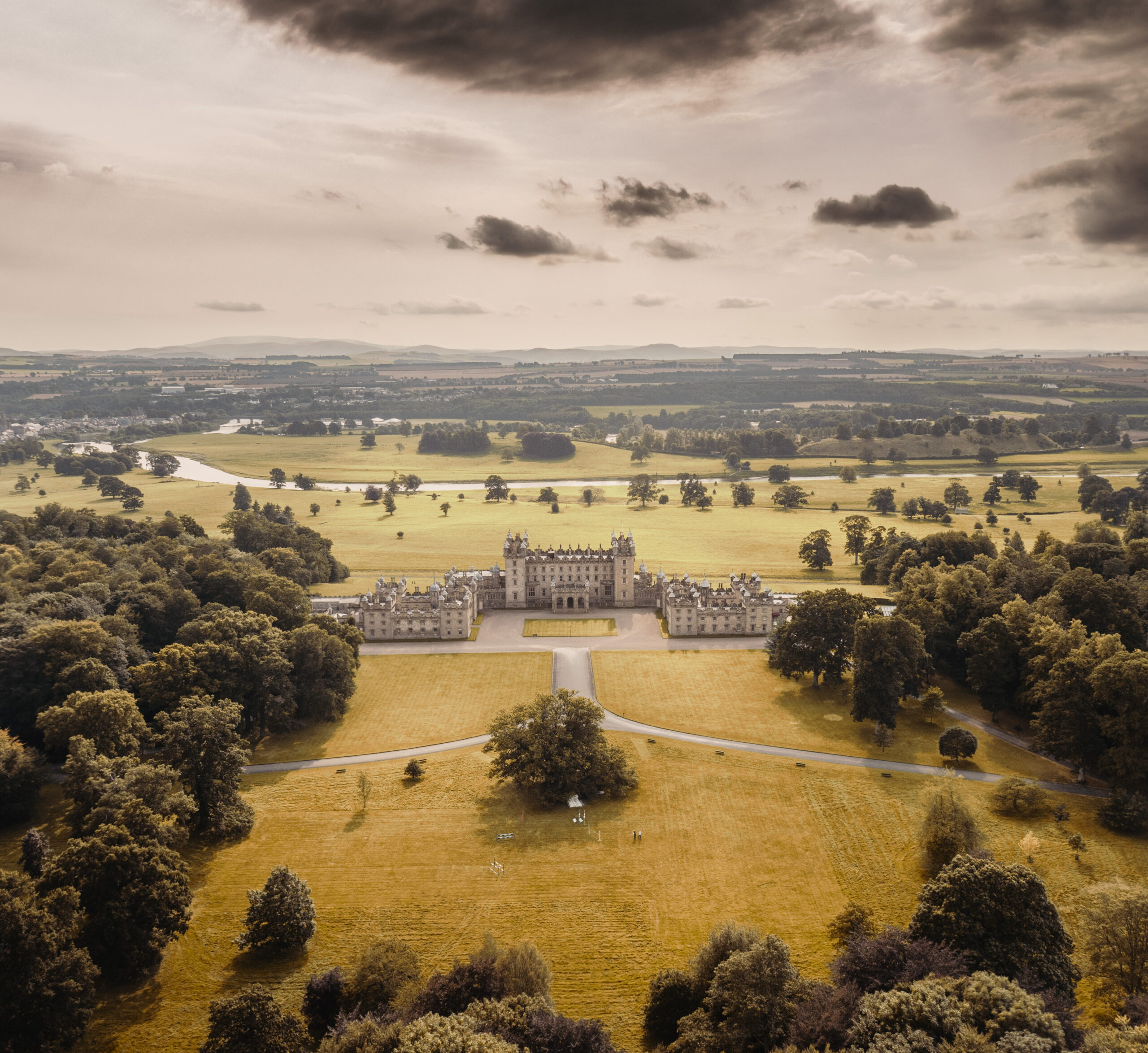
The 18th Century saw a surge in the creation of large, naturalistic landscapes around country houses. Influenced by Enlightenment ideals and the Picturesque movement, estates were redesigned to reflect harmony between architecture and nature. General Roy’s Military Survey (1748–1755) documented many of these landscapes.
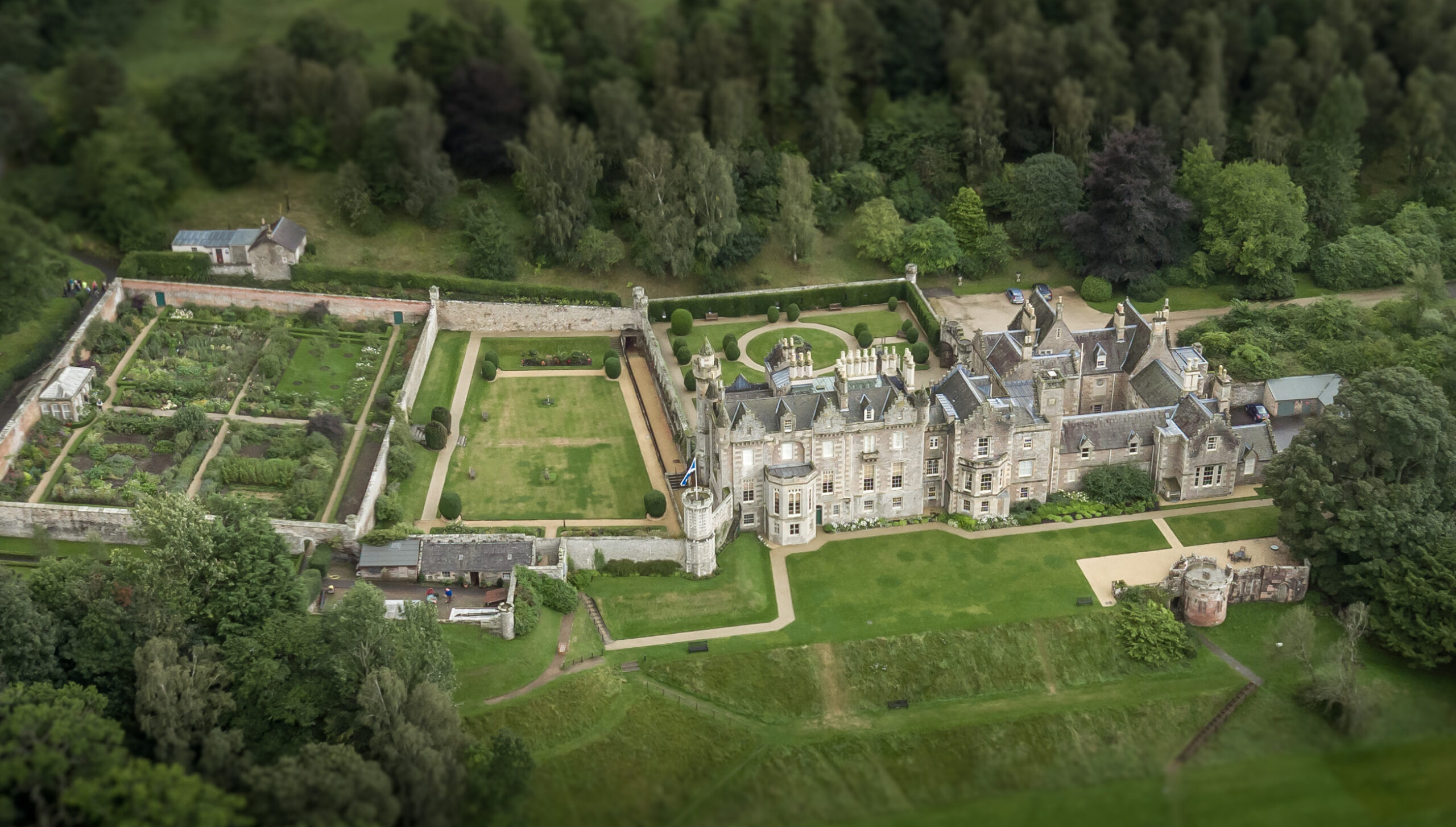
The Industrial Revolution enabled wealthy entrepreneurs to create elaborate estate gardens, blending horticulture with artistic expression. Celebrity figures like Sir Walter Scott popularised the “gardenesque” style, focusing on individual plants and woodland paths. His estate, Abbotsford near Melrose, transformed wild land into a Romantic landscape along the Tweed.
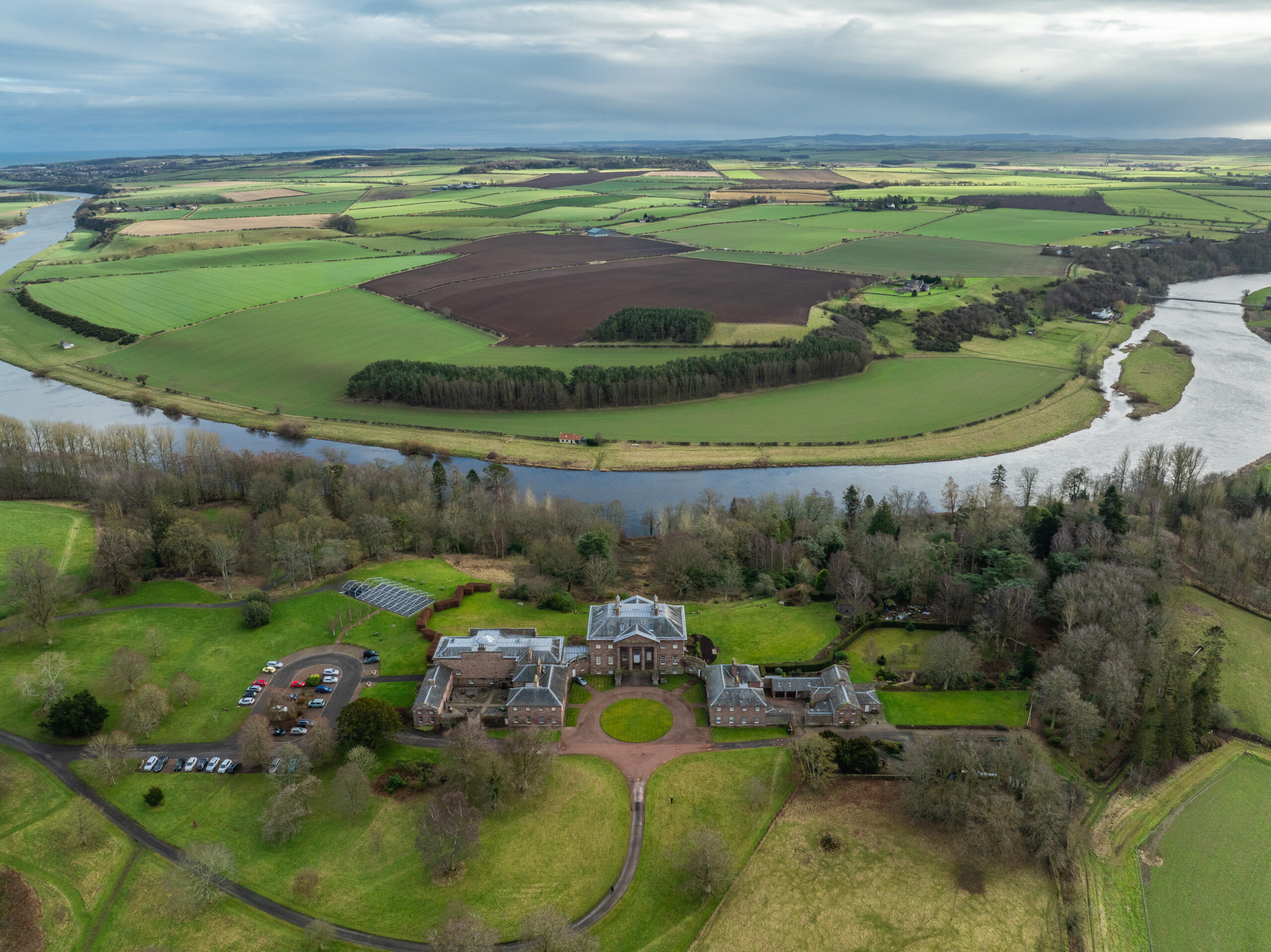
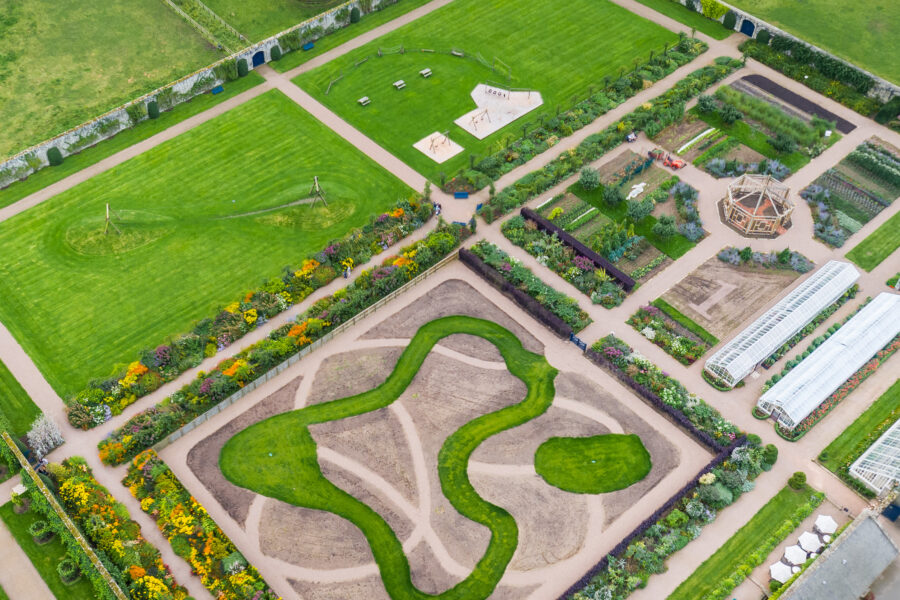
Post-WWII, many estates declined due to economic pressures. However, organisations like the National Trust for Scotland have helped preserve and restore key sites. Today, designed landscapes are recognised for their cultural and ecological value, with over 386 sites listed in the national Inventory – over 40 of these are along the River Tweed!
The Destination Tweed Designed Landscapes project is helping to conserve and regenerate these important sites of natural and cultural heritage along the Tweed. Click here learn more about the Designed Landscapes project.