At the meeting of the waters, you will still hear folks reminiscing about that time long ago.
It was a summer evening on the banks of the great River Tweed, when they strapped Mary Ellen onto the ducking stool, tied her hands with twine. Her skin was grazed by the rough splinters on the arms of the old kitchen chair. They blocked their ears to her protests when she screamed at them “No, I’m not. No, No,” then her wails and howls of fear as she became frantic. The crowd continued to prepare the stool. They angled the chair that sat on a wooden beam and began the ducking. “It’s the only way to check if she is a witch,” someone in the crowd shouted, when he could feel the group of villagers beginning to hesitate. The first ducking was clumsy but down she went into the fast-flowing cold water.
Five times they did it and a little boy sat startled and horrified at the actions of the adults from his village, including his own father and his brother Joe. He counted the times they dropped the chair holding the woman he knew as Mary Ellen, into the river, he counted them on his grubby fingers, closing his eyes each time her head went under the dark water. Pushed his fingers into his ears to shut out the sound of her screams.
When she emerged, her protests, at first delivered with a fierce strong voice and then more muted, becoming more breathless and softer then softer still, until the chair was lifted and it held Mary Ellen’s dead frame.
No more would she pick the herbs by the river side to try to heal her neighbours’ ailments.
No more would she pick meadowsweet to make a garland for the courting couples.
No more skilfully select the small river-washed pebbles to fashion a rattle for a new baby in her village.
No more, she was gone and the villagers began to repent as they left the river back towards their homes.
They left her partly in the water and burnt the chair and ropes that were evidence of their ignorance and fear. The river took her body in its strong arms and swept her away with the remnants of the burnt wood. All were flushed into the river and others who found her, days later, never thought anything except that Mary Ellen had gone too near the water and lost her footing when searching for her herbs.
But the villagers never forgot on their evening walks as they avoided the meeting of the waters.
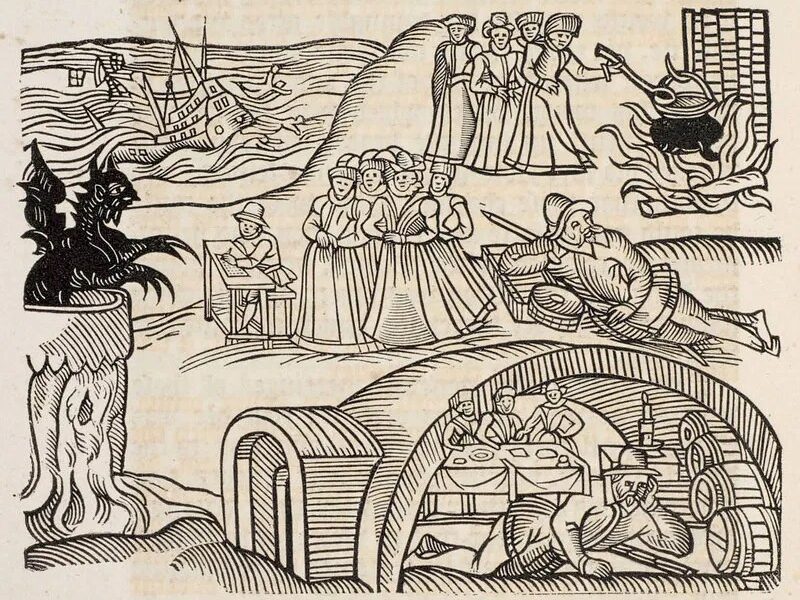
Author’s note: Along the banks of the Tweed and in particular in Berwick Upon Tweed there were many trials and persecutions of those suspected to be witches and of witchcraft. To find out more about this period of history check out www.northumberlandarchives.com/wp-content/uploads/2021/04/Information-Regarding-Witchcraft.pdf.
This fictional story was shared in response to the Tweed Stories ‘Writing the River’ online creative writing workshop, held on Thursday 30 July 2026 and delivered in partnership with The Wilson’s Tales Project. With thanks to everyone who participated so enthusiastically.