Pollinators Along the Tweed
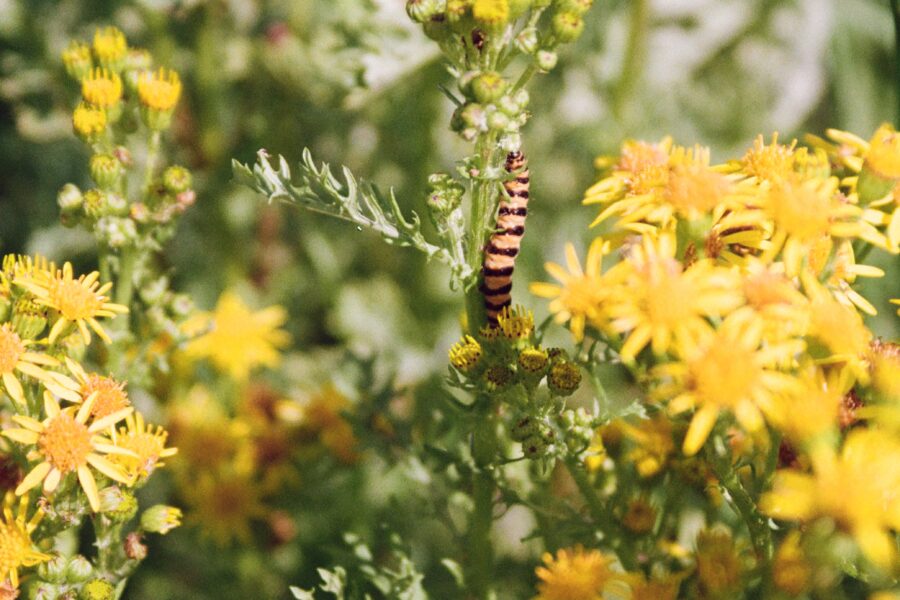
Pollinators are the animals which pollinate our wild plants and food crops by carrying pollen from flower to flower as they forage for food. In the UK wild insect pollinators include bumblebees, solitary bees (of which we have approximately 250 species), wasps, butterflies and moths (approximately 2200 species), flies and beetles.
Most plants cannot set seed without being pollinated by these pollinators, who are vital in not only facilitating crop growth but also in keeping our countryside and green spaces beautiful.
Pollinators Along the Tweed is led by Buglife.
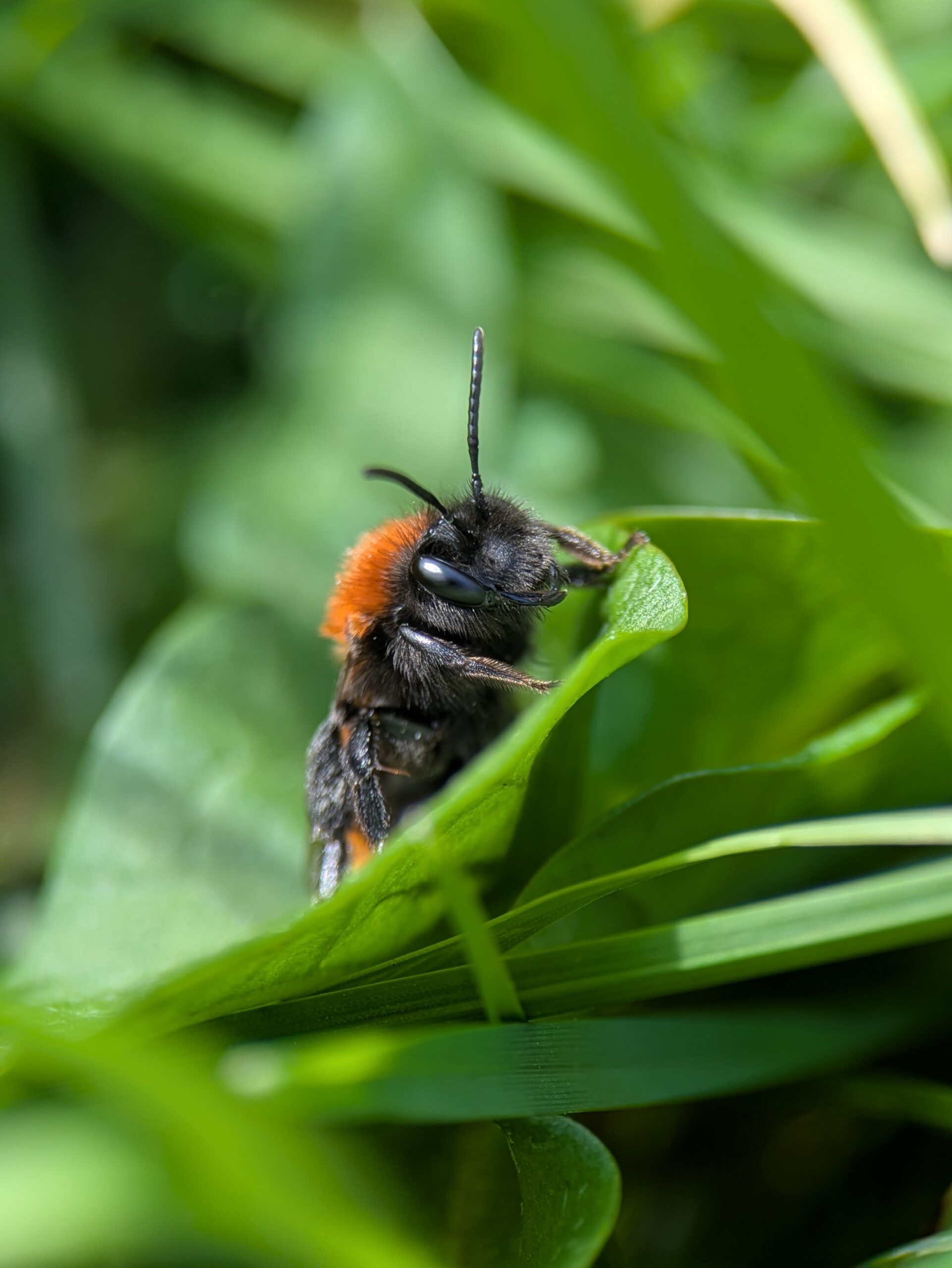
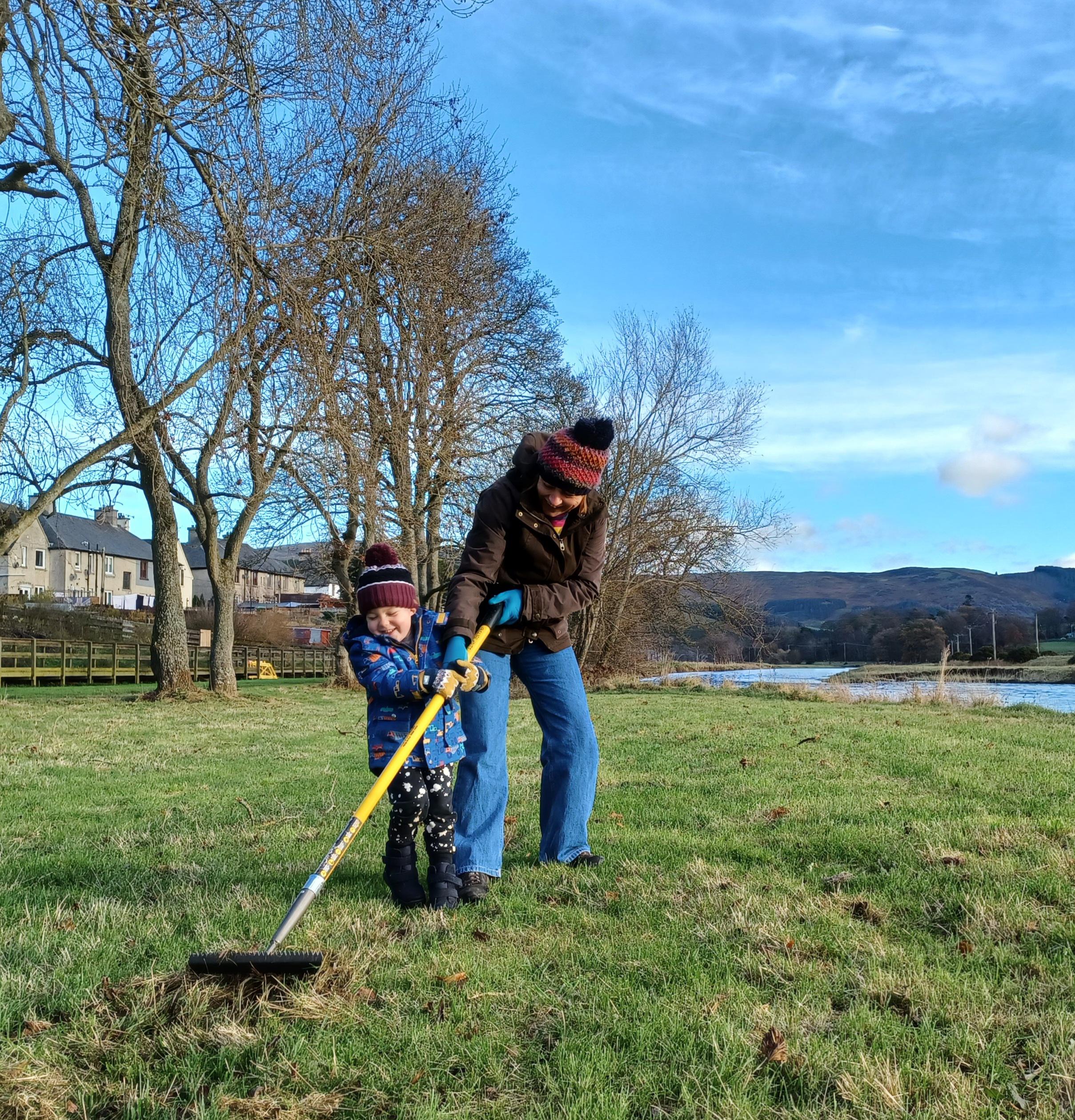
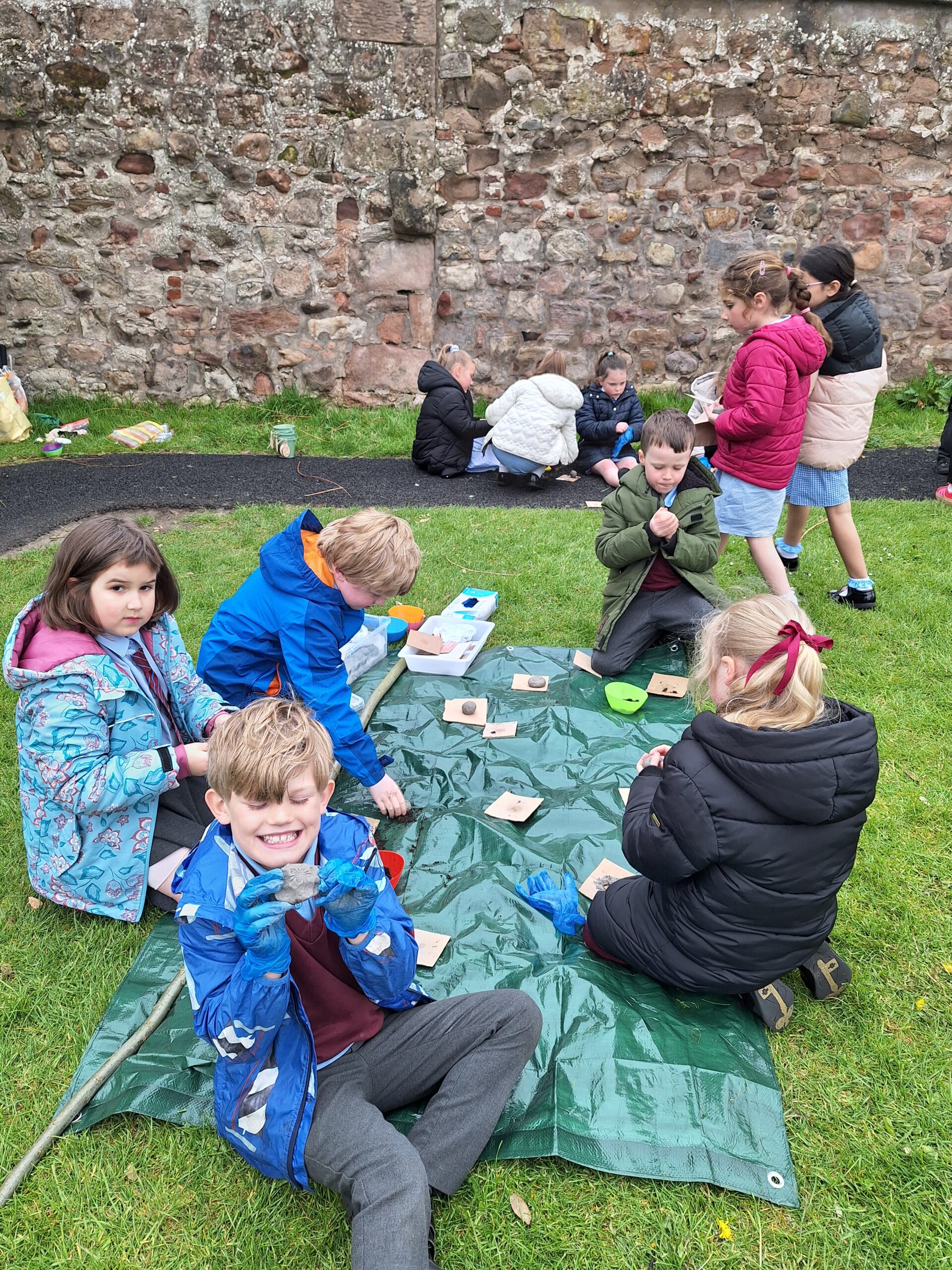
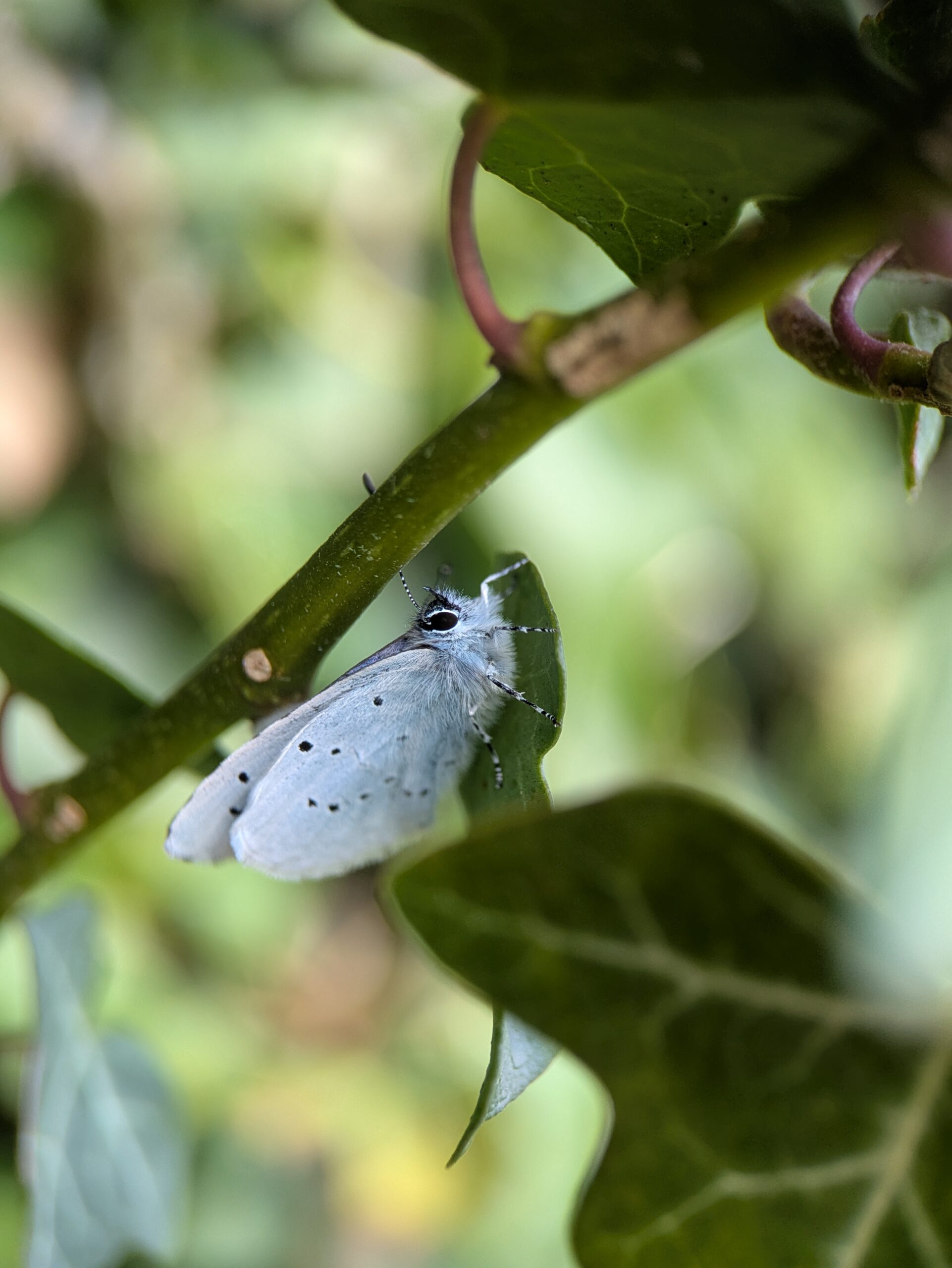
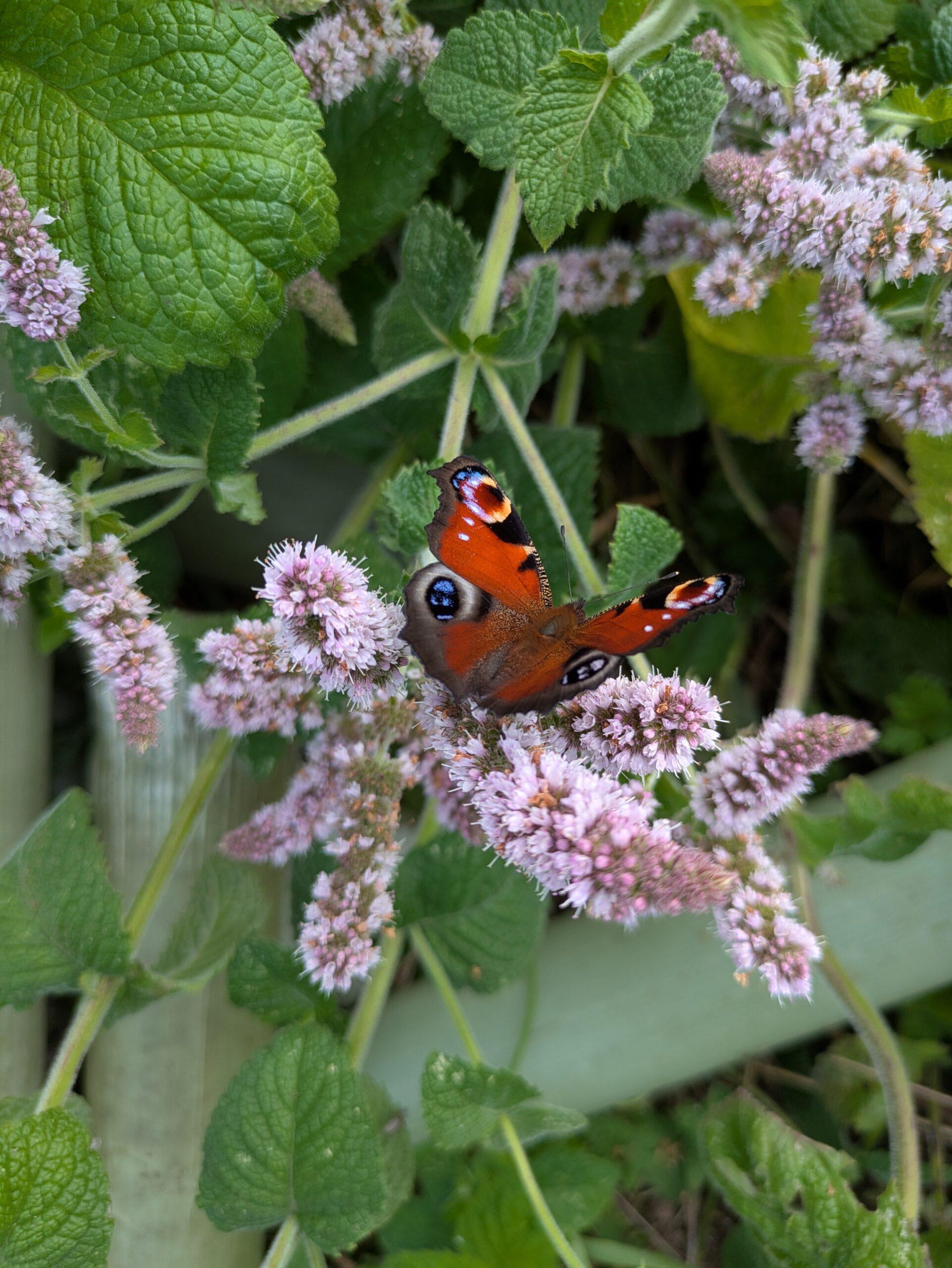
Pollinator species are facing significant declines as a result of climate change, the widespread use of pesticides, and the ongoing loss and fragmentation of suitable habitats. These pressures reduce the availability of food sources, nesting sites and the connected landscapes that pollinators need to thrive, placing many species at risk.
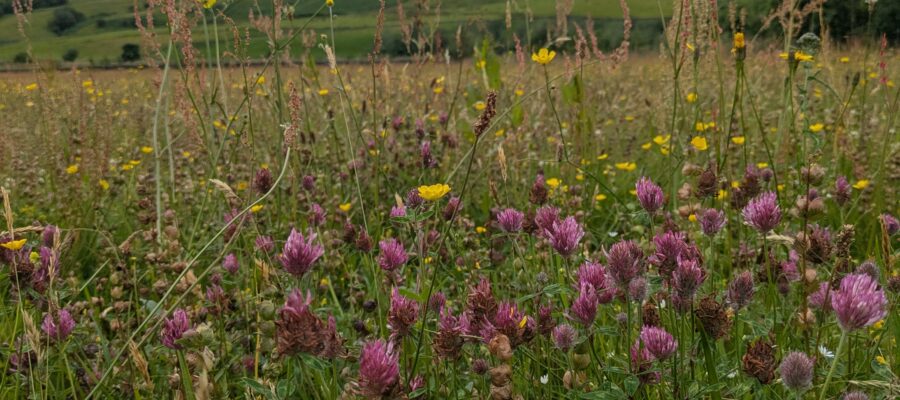
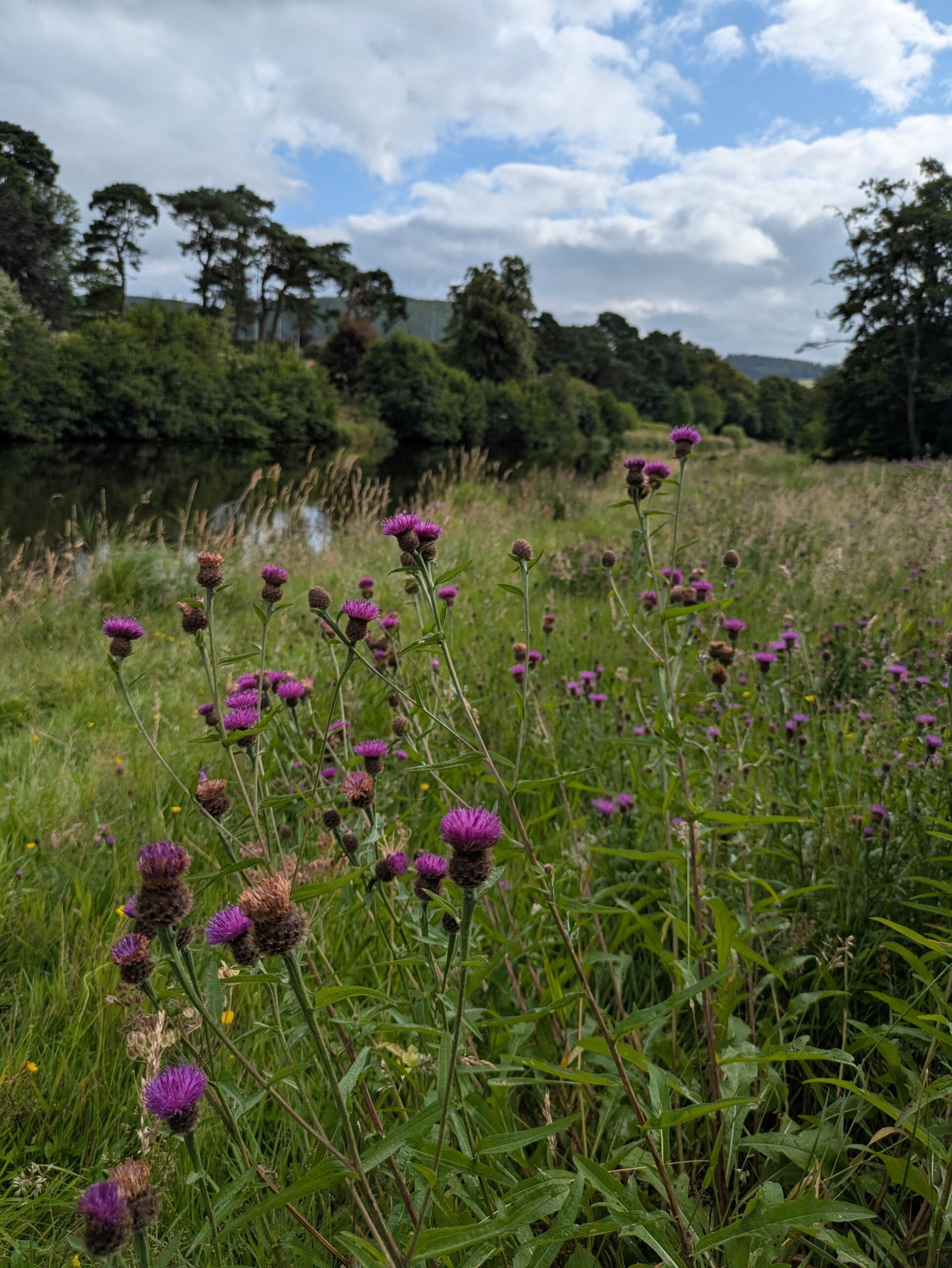
Pollinators Along the Tweed is a partnership project with Buglife Scotland which aims to restore wildflower-rich habitat along the River Tweed. The project forms part of the wider Destination Tweed source-to-sea river revitalisation initiative, which seeks to improve the river corridor for both wildlife and local communities.
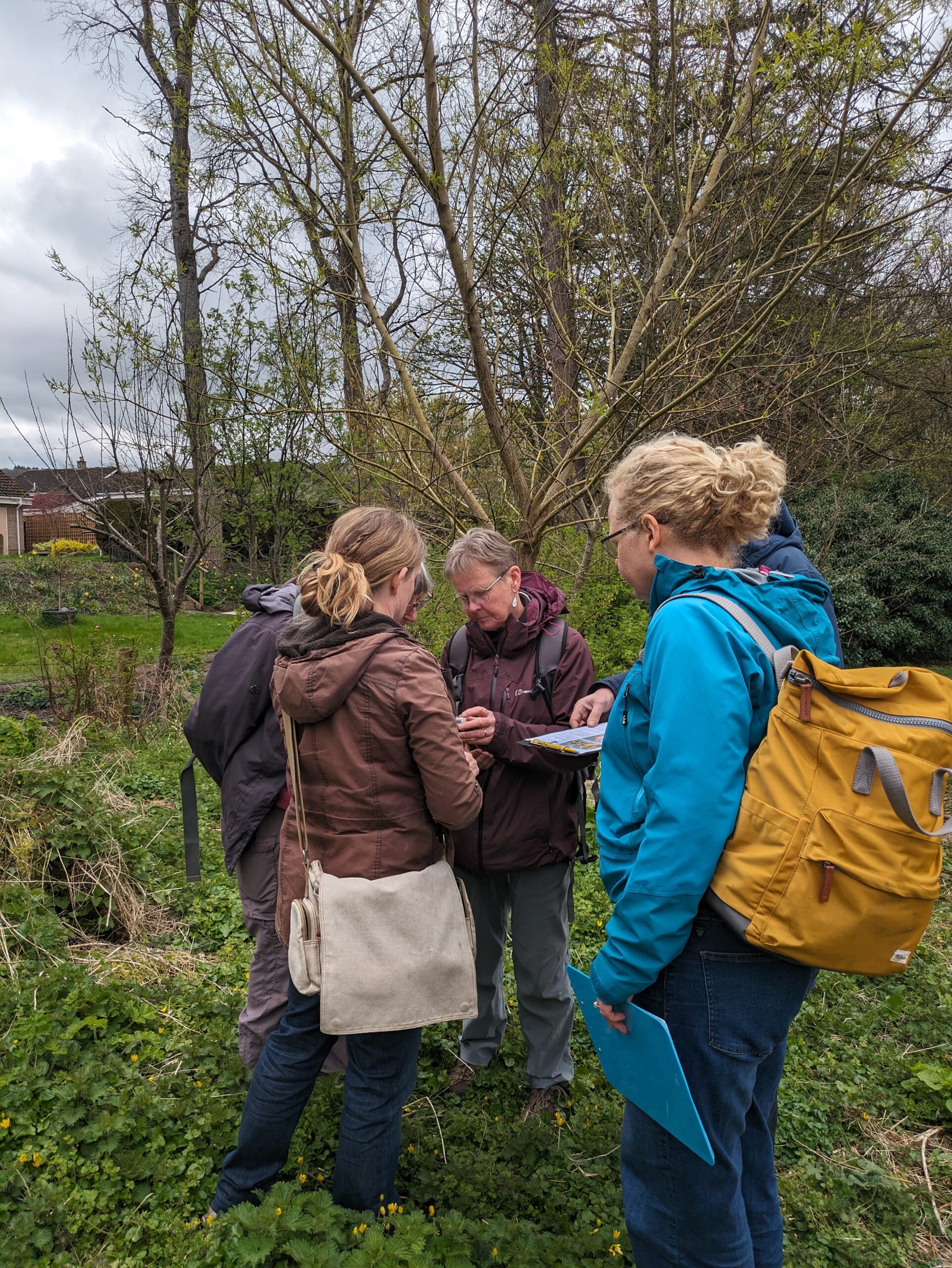
Buglife Conservation Officer, Kate O’Leary, is working with volunteers to create, restore, monitor and manage a network of wildflower-rich habitat for pollinators along the Tweed river corridor.
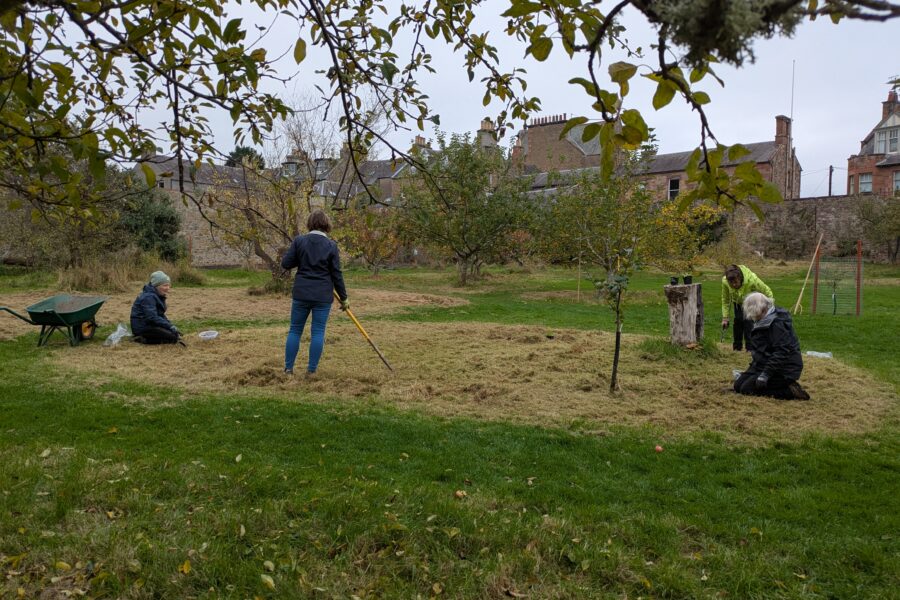
Work has already been carried out at a number of sites along the Tweed, including Victoria Park, Mayfield Riverside Walk and Norham Castle, where habitats have been restored and enhanced to provide valuable feeding and breeding areas for pollinators.
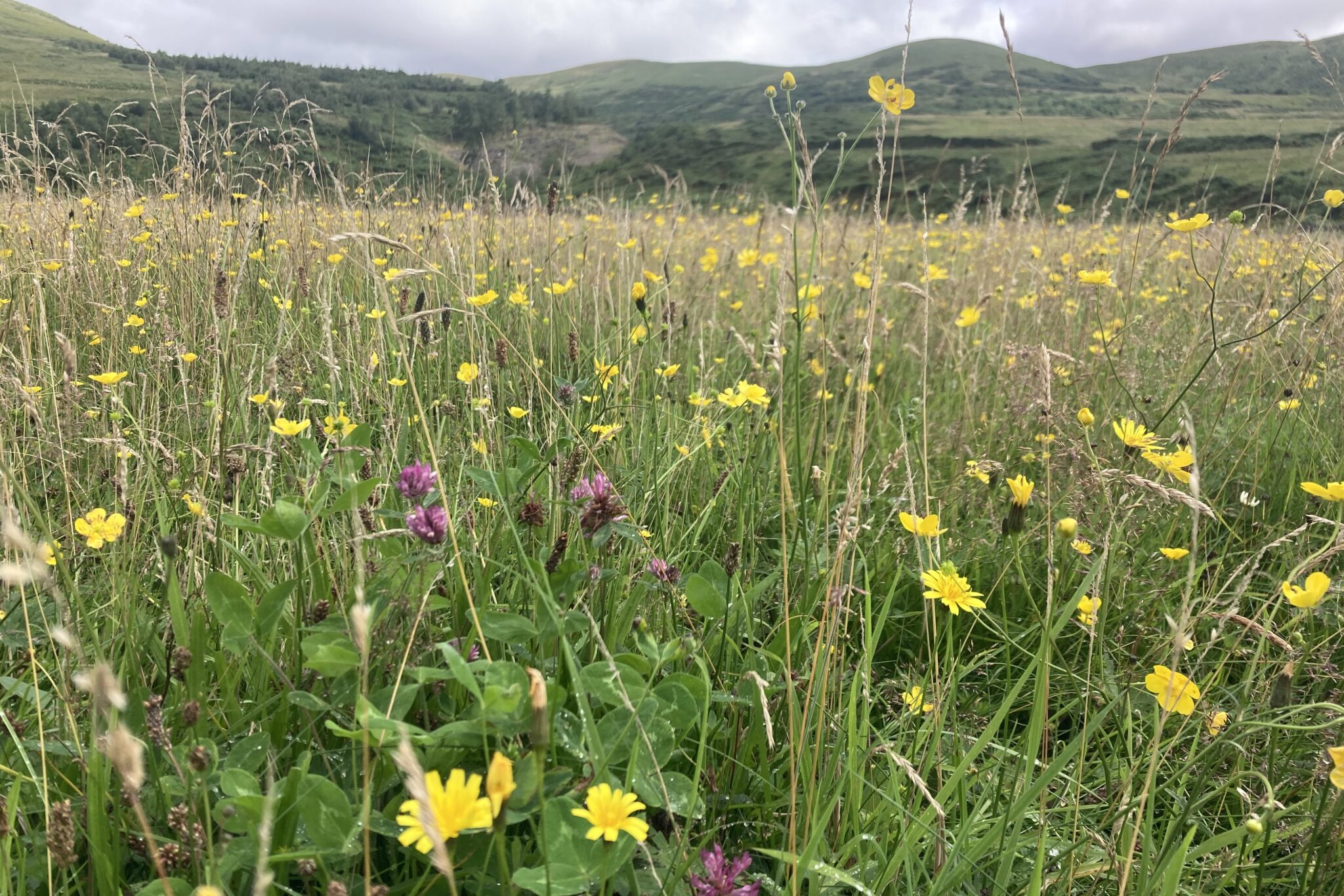
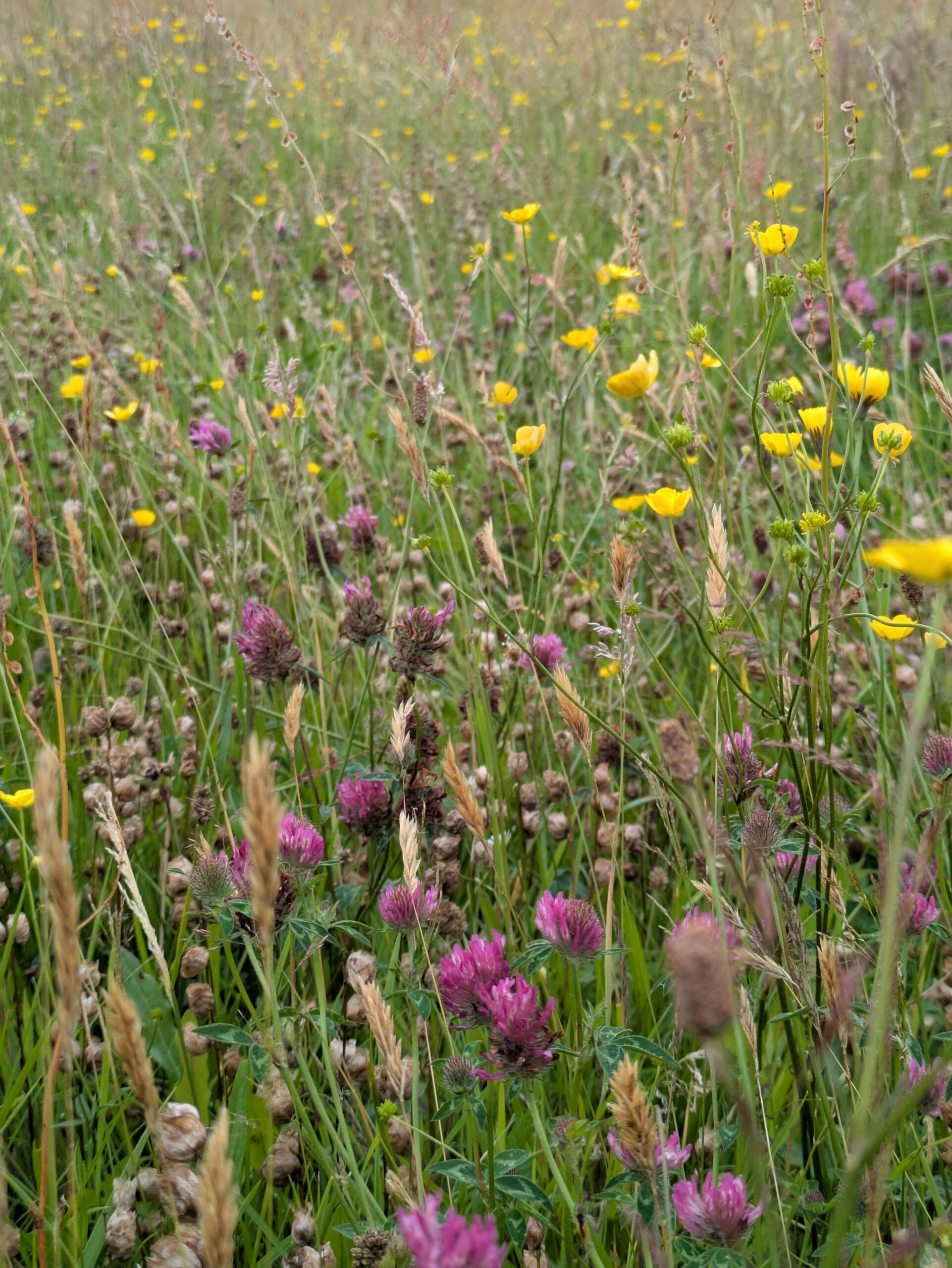
More recently, habitat enhancement works have been completed at Galashiels Public Park, Tweedbank Park, Priorwood Garden and Floors Castle. Together, these projects have increased the network of pollinator-friendly spaces to 33 sites, delivering a total of 22 hectares of wildflower-rich habitat across the Tweed catchment. This growing network is providing a diverse range of native plants throughout the flowering season, helping to support pollinator populations while also creating colourful, wildlife-rich spaces for local communities and visitors to enjoy.
Overall, the project will restore and enhance up to 40 hectares of wildflower-rich habitat across 50 sites, contributing to Buglife’s national B-Lines initiative.
Events
-
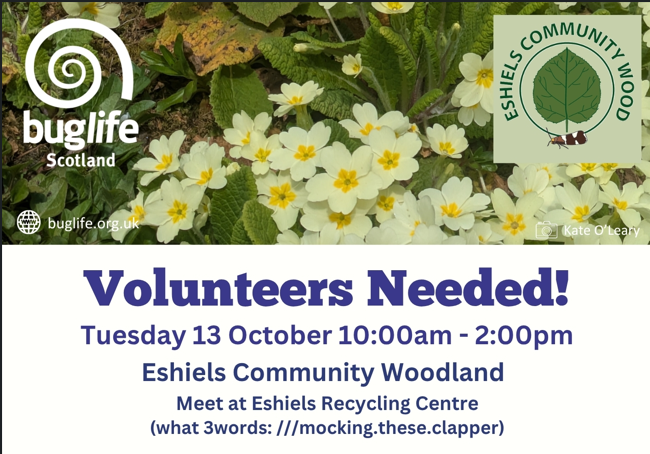
Join our Pollinators Along the Tweed project, led by Buglife, in Eshiels Community Woodland for a day of wildflower plug ...
Catchment Area: Upper Tweed,
More information available at the Buglife website.
Visit Buglife website (B-Lines)