Archives
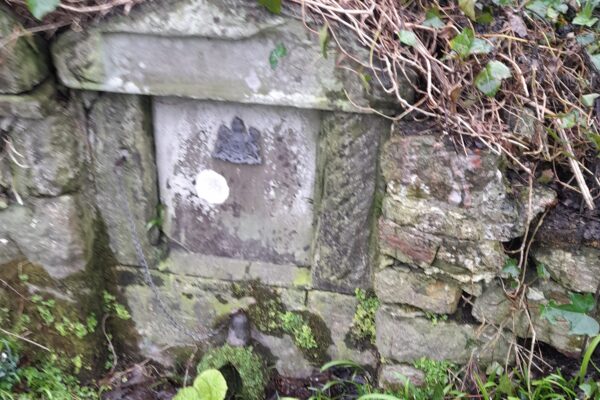
Two Castles and Katherine’s Well
I was brought up at a farm called Fireburnmill about a mile west of Coldstream, and the Tweed was part of my wonderful boyhood life! I often tell friends the river runs through my veins. My grandfather was Charles Tweedie Young, and I later learned that Tweedie Castle near Drumelzier was the home of the ‘Tweedies’, said […]
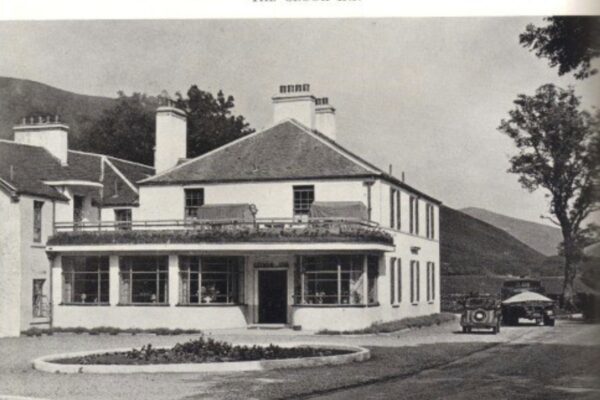
Drink & Dance
I used to come to the old Crook with my parents and grandparents in the 1940’s and 50’s. The old Crook used to have dances at the weekend which I then enjoyed with my husband. I came from Biggar and my husband from Stobo. I then brought my children and felt ‘lost’ when it closed […]
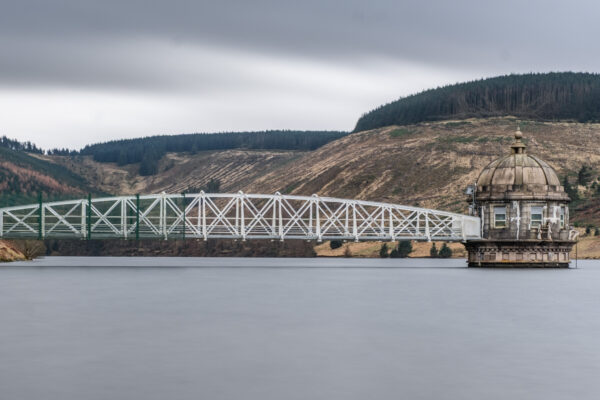
Near Miss
While building the dam, a crane fell on top of where I was standing! At the last minute I saw it falling and managed to evade it falling on top of me. After two years the dam was completed at Tweedsmuir.
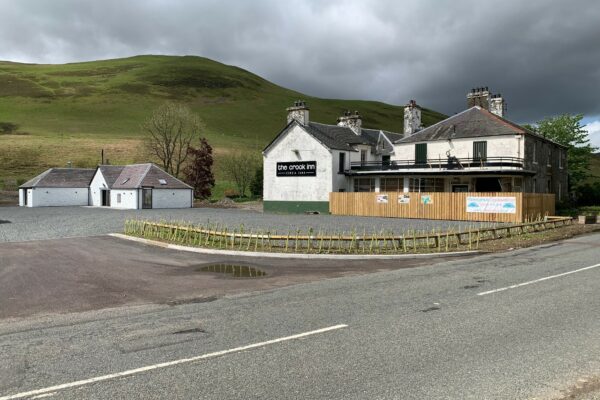
Sunday Drive
Out for a Sunday drive with my son who is learning to drive. It was a lazy Sunday afternoon when we thought we would take a trip out to Moffat for lunch. Got to Moffat from Lochmaben but didn’t feel too hungry and decided to keep driving, good experience for the learner. We just fancied […]
The Hum and the Heat
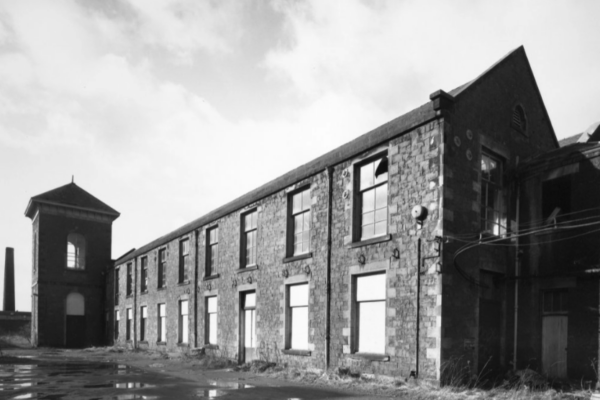
She tucks her frozen fingers into the pockets of her rough woolen jacket Getting close to the familiar clunking of the heavy machinery racket The mesmerising hum glides down walls made of stone And bumps over cobbled streets where mill children had grown Over the wall, as she passes, she hears the flow of the […]
The Famous Moffat Ram
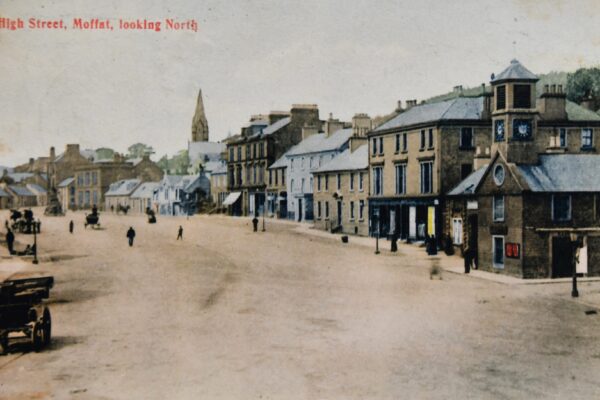
The Ram has become a symbol of the town – although, officially, it is known as the Colvin Fountain. That’s because, in 1875, the bronze ram sculpture and sandstone drinking fountain were commissioned by a local businessman, William Colvin, of nearby Craigielands, in Beattock. It was a gift to the town to commemorate its long […]